


How Solar System Installation Works?
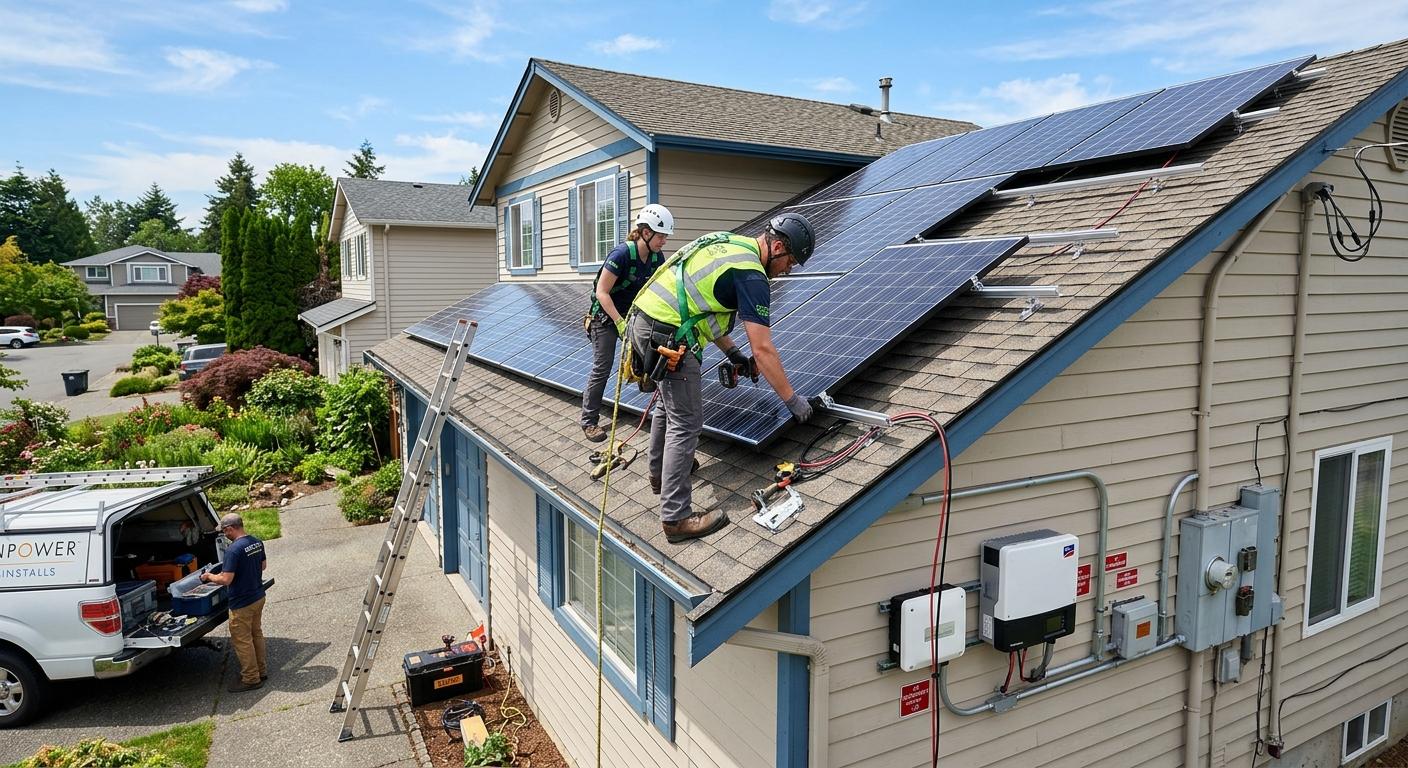
A solar system does more than simply place panels on a roof. Several decisions have to be made before the first panel is fixed, from checking the roof and available sunlight to choosing the right electrical equipment for the property.
The installation process also needs to account for how the household uses electricity. A system designed around daytime consumption can work differently from one where most electricity is used in the evening and a battery is included.
What Happens Before The Installation Starts?
The process normally begins with a property assessment. The installer needs to understand the roof layout, its condition, available space and any features that could affect the panels.
Trees, chimneys, nearby buildings and other objects can create shade at different times of the day. The installer may also consider the direction and pitch of the roof when deciding where the panels should go.
The property's electricity demand is another useful part of the assessment. Looking at existing consumption can help determine whether a smaller system is enough or whether more generation capacity would make sense.
Once these details are understood, the installer can prepare a system design rather than simply filling the available roof space with as many panels as possible.
How Is The Roof Prepared For Solar Panels?
The roof needs to be suitable for the additional equipment before installation begins. Its condition and ability to carry the system need to be considered, as building regulations can apply to roof-mounted solar work.
For a pitched roof, the installer generally works with a mounting system that is secured to the roof structure. Rails are then used to provide a stable base for the panels.
The exact method depends on the roof covering and construction. A tiled roof, slate roof and flat roof may require different mounting arrangements.
This stage also needs careful attention to waterproofing and cable routes. Poorly planned cable entry or mounting can create problems that have little to do with the panels themselves.
How Are The Panels And Electrical Equipment Connected?
Once the mounting structure is ready, the panels can be positioned and secured. The panels are connected so that the electricity they generate can travel through the system.
Solar panels produce DC electricity, while most household appliances use AC electricity. An inverter performs the conversion so the generated power can be used by the property's electrical system.
Depending on the design, a battery can also be connected to store some of the electricity for later use. Any electricity not used or stored may be exported to the grid, subject to the relevant arrangements.
The position of the inverter matters too. It needs to be accessible for maintenance while being installed in a suitable location for the equipment.
What Does Solar Installation Involve On The Day?
The actual work can be relatively straightforward when the preparation has already been completed. During solar panels installation, installers may first set up access equipment and prepare the working area before starting on the roof.
The mounting components are fitted, followed by the panels and their wiring. Cables are routed to the inverter, with the battery installed as part of the system where one has been specified.
The work can take longer when the roof is difficult to access, the system is unusually large or additional electrical work is required. A straightforward domestic installation may therefore look very different from a more complicated property.
Good installation is not just about getting the panels onto the roof quickly. The finished system needs to be secure, accessible where necessary and properly connected.
What Can Change The Cost Of A Solar Installation?
The cost of installing solar panels varies because no two properties require exactly the same setup.
The number and type of panels are only part of the calculation. The inverter, mounting equipment, roof design, access, electrical work and optional battery storage can all affect the final price.
A quotation should make it reasonably clear what is included. It is worth checking whether the figure covers the panels, inverter, mounting system, installation, electrical work, commissioning and any required paperwork.
A lower initial price is not automatically the better option if important parts of the system or installation have been left outside the quotation.
Does Solar Installation Always Need Planning Permission?
For homes in England, many roof-mounted solar installations can fall under permitted development rights, meaning a planning application may not be necessary. There are still limits and conditions that need to be checked.
The position can be different for listed buildings, conservation areas and other designated locations. Leaseholders may also need permission from a landlord, freeholder or management company.
Planning rules also vary across the UK, so homeowners should not assume that the rules applying to a property in England will be identical elsewhere.
An installer should identify any relevant permissions before work starts rather than leaving the homeowner to discover a restriction after installation.
How Is The Finished System Checked?
The system needs to be tested after the physical installation is complete. This includes checking the electrical connections, inverter operation and other parts of the installation before it is handed over.
Where applicable, the installation also needs to meet the relevant electrical and building requirements. Certified solar PV work also has requirements covering design, installation, commissioning and handover.
Grid connection requirements may also involve notification to the local distribution network operator, depending on the system and connection arrangements.
These checks are important because a solar system is part of the property's electrical installation, not simply an appliance placed on the roof.
When Can The Homeowner Start Using The Solar Power?
Once the installation has been commissioned and the necessary checks have been completed, the system can begin generating electricity for the property.
Generation will not remain constant throughout the day. Output changes with sunlight, season, shading and other conditions. A monitoring system can help the homeowner see how much electricity the panels are producing and how much is being used.
If a battery is installed, the system can also manage when surplus electricity is stored and when stored energy is used.
The final handover should leave the homeowner with the information needed to understand the system, monitor its performance and arrange future maintenance when required.
What Makes A Solar Installation Work Well Long Term?
The quality of the original design can have a lasting effect on how useful the system is. A well-planned installation considers the roof, electricity demand, shading, equipment location and future maintenance rather than focusing only on the number of panels.
The panels themselves are only one part of the finished system. Mounting, wiring, inverter selection, electrical connections and commissioning all contribute to how reliably the installation performs.
For homeowners, the most useful question is therefore not simply how many panels can fit on the roof. It is whether the complete system has been designed around the property and the way electricity is actually used.

 English
 French
 Spanish
 Portuguese
 Deutsch
 Turkish
 Dutch
Dutch
 Italiano
 Russian
 Romaian
 Portuguese (Brazil)
 Greek
Greek