


Sprintpackage's Quality Assurance: What Sets Their Cardboard Cylinder Packaging Apart
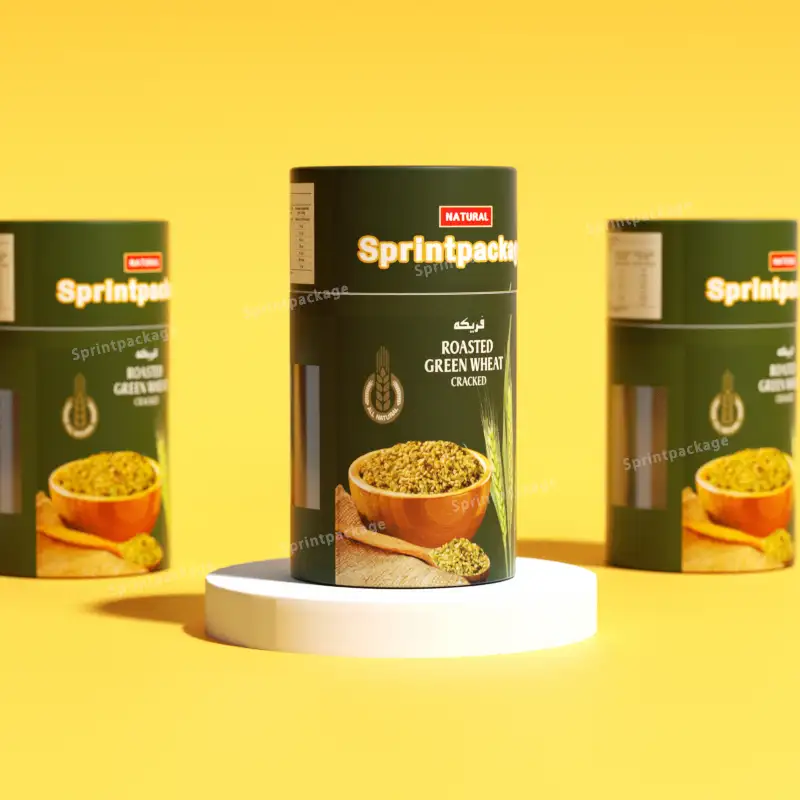
Quality assurance is often confused with quality control, but the two are different. Control catches defects after they occur; assurance builds systems that stop defects from occurring in the first place. In a factory producing thousands of tubes, the difference is huge. Strong assurance means documented procedures, trained people, tested materials, and a culture that treats problems as signals for improvement. Sprintpackage lists food-safe, recyclable materials and reports work with more than two hundred and fifty brands. This article examines the elements that distinguish serious quality assurance in cardboard cylinder packaging production and shows buyers how to assess a supplier's systems beyond slogans and photographs.
Written Standards and Specifications
Quality starts with clear standards. Each product should have a specification that defines dimensions, materials, tolerances, print requirements, and acceptable defects. These documents guide operators and inspectors, and they give buyers a reference when disputes arise. Ask the supplier whether specifications are signed off with each order and how changes are controlled. An approved sample should accompany the written specification. When everyone refers to the same documents, expectations match results, and disagreements about what was promised become much less common.
Material Control and Traceability
Reliable packaging begins with reliable materials. Factories should inspect incoming paper, ink, and adhesives, store them correctly, and record batch information. Traceability allows problems to be traced to their source quickly. This is particularly important for food and cosmetics, where safety matters. The website mentions food-grade tubes and BPA-free materials, though buyers should ask for specific documents. Ask how the supplier handles supplier changes and what happens if material fails inspection. Strong traceability reflects discipline and gives buyers confidence that issues can be investigated thoroughly instead of dismissed.

Process Monitoring and Training
Even good systems depend on people. Operators need training in machine setup, inspection techniques, and hygiene. Regular maintenance keeps machines in condition to produce consistent tubes. Process monitoring checks key parameters such as glue application, tube dimensions, and print color throughout production. Ask how staff are trained and how often equipment is serviced. A factory that invests in people and maintenance generally produces fewer defects. During a visit or video tour, observe whether workstations are clean, tools are organized, and inspection steps are visible and routine.
Handling Complaints and Corrective Action
No factory is perfect, so the way problems are handled reveals the true quality of the system. A good supplier acknowledges the issue, investigates the cause, repairs the damage, and takes steps to prevent recurrence. Ask for examples of corrective actions and how long they typically take. Define in advance what evidence you will provide, such as photographs and batch numbers, and what remedies apply, such as replacement or credit. The company lists email, phone, and WhatsApp contacts, which allow quick reporting. A supplier that responds constructively builds long-term trust and improves with each experience.
How Buyers Can Check Quality Assurance Themselves
Buyers should verify rather than assume. Request documents describing the quality process, and ask for examples of inspection records. Arrange a video audit or visit, or hire an inspection service for larger orders. Order samples and compare them with later production. Confirm certifications relevant to your market, remembering that the website does not list specific ones. Pay attention to communication quality, since it reflects internal discipline. When documentation, facilities, samples, and responses all align, you can feel confident that quality assurance is real and that your tubes will arrive as promised. Ask also whether the factory reviews its own procedures on a schedule, since systems that are never revisited slowly drift away from the standards they were written to protect. Quality assurance is ultimately a habit more than a certificate, and the most reassuring suppliers are those who welcome questions, share records willingly, and treat every inspection as a chance to improve, because that attitude protects your brand long after a single order has been delivered and forgotten.

 English
 Arabic
 French
 Spanish
 Portuguese
 Deutsch
 Turkish
 Dutch
Dutch
 Italiano
 Russian
 Romaian
 Portuguese (Brazil)