


What Is Fiberglass Made Out Of? A Complete Guide
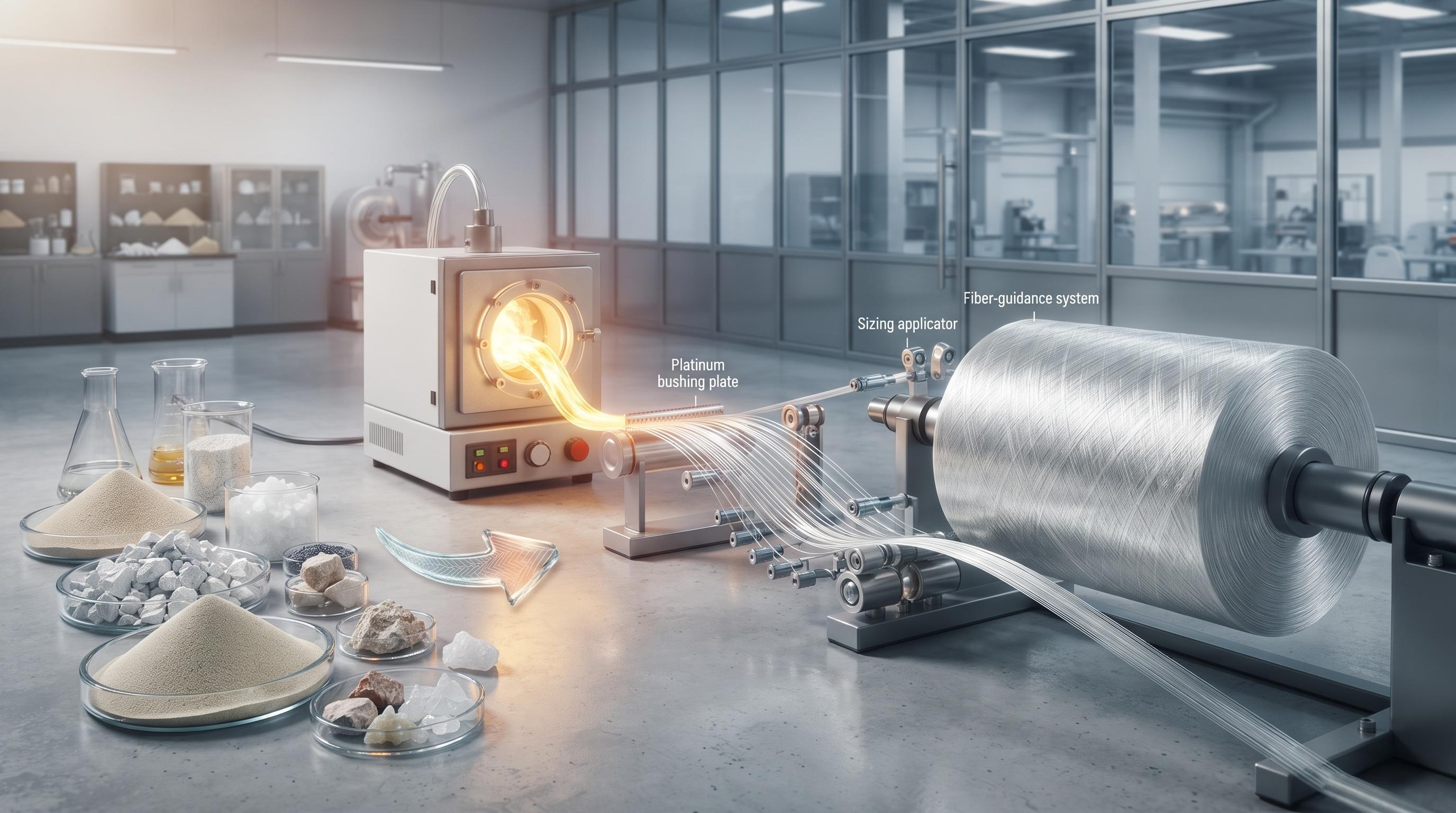
If you have ever wondered what is fiber glass made out of, the simple answer is that fiberglass is primarily made from extremely fine glass fibers, but the final material usually contains more than glass alone. These thin fibers are produced from carefully selected glass-forming materials and can then be combined with resins, coatings, or other substances to create strong and lightweight composite materials. Fiberglass is widely used in construction, transportation, insulation, boats, automotive components, pipes, tanks, sporting equipment, and many other products because it offers a useful balance of strength, durability, flexibility, and relatively low weight. Understanding the materials used to make fiberglass can help explain why this versatile material performs differently from ordinary glass.
What Is Fiberglass?
Fiberglass is a material made by drawing molten glass into very thin continuous or short fibers. Although the fibers are made from glass, they behave differently from a conventional glass sheet because their extremely small diameter gives them useful mechanical properties when incorporated into a suitable material system. The fibers can be arranged in different forms, including woven fabrics, chopped strands, mats, or continuous reinforcement. Fiberglass is often combined with a polymer resin to create a composite material commonly called fiberglass-reinforced plastic. The glass fibers provide much of the reinforcement and strength, while the resin holds the fibers together and helps transfer loads between them.
What Is Fiber Glass Made Out Of?
The answer to what is fiber glass made out of starts with glass-forming raw materials. These materials commonly include silica, which is an important component of glass, along with other mineral ingredients that help control the melting behavior, strength, chemical resistance, and processing characteristics of the final glass. Depending on the type of fiberglass being produced, the exact composition can vary. The resulting glass is melted at a high temperature and then formed into very fine fibers. These fibers may receive a surface treatment before being used on their own or combined with a resin system. Therefore, fiberglass is best understood as a glass-fiber reinforcement whose final composition depends on the particular product and application.
What Materials Are Used to Make Fiberglass?
The basic glass used for fiberglass contains several mineral-based ingredients selected to produce the desired characteristics. Silica is one of the most important ingredients because it forms the structural foundation of many glass compositions. Other ingredients can include compounds based on elements such as calcium, aluminum, boron, magnesium, and sodium. These materials are carefully blended before melting so that the resulting glass has suitable properties for fiber production. The exact formulation depends on whether the manufacturer needs improved strength, chemical resistance, electrical insulation, temperature resistance, or another specific performance characteristic.
The Role of Silica in Fiberglass
Silica plays a major role in the composition of fiberglass because it is one of the principal glass-forming materials. It contributes to the structure and stability of the glass and allows the molten material to be converted into fine fibers. However, fiberglass is not simply made from pure silica because pure silica requires demanding processing conditions and does not provide the most practical formulation for many commercial applications. Other mineral ingredients are therefore added to modify the glass properties and make fiber production more efficient. The resulting composition allows manufacturers to create glass fibers that can be processed into reinforcement materials for a wide range of applications.
How Is Fiberglass Manufactured?
Fiberglass manufacturing begins with carefully selected raw materials that are blended into a suitable glass batch. The mixture is heated until it becomes molten and reaches a condition where it can be formed into fibers. The molten glass is then passed through specially designed openings that draw the material into extremely fine strands. As the strands cool, they become solid glass fibers. A coating known as sizing may then be applied to the fibers to protect them during processing and improve their compatibility with particular resin systems. The fibers can subsequently be collected, chopped, woven, or formed into mats depending on the intended application.
Why Are Glass Fibers So Strong?
Individual glass fibers can provide significant tensile strength because their production process creates fine, relatively uniform strands with fewer large defects than conventional bulk glass objects. Their small size also affects how flaws influence their mechanical performance. When many fibers are combined within a composite, the reinforcement can distribute loads across the material. The resin surrounding the fibers helps transfer forces from one fiber to another and protects the reinforcement from the surrounding environment. This combination allows fiberglass composites to achieve useful strength without becoming excessively heavy, which is one reason they are popular in engineering and construction.
What Is Fiberglass Resin Made Of?
Fiberglass resin is separate from the glass fibers themselves. When fiberglass is used as a composite, the resin acts as the matrix that surrounds and holds the fibers in position. Common resin families used with fiberglass include polyester, vinyl ester, and epoxy systems. Each resin type has different characteristics related to strength, chemical resistance, flexibility, temperature performance, curing behavior, and cost. The selected resin depends on the intended application. For example, a product designed for demanding structural use may require a different resin system from a decorative fiberglass component.
Fiberglass and Fiberglass-Reinforced Plastic
Fiberglass and fiberglass-reinforced plastic are related but should not always be treated as exactly the same thing. Fiberglass refers primarily to the glass fibers, while fiberglass-reinforced plastic describes a composite in which those fibers are embedded within a polymer matrix. The fibers provide reinforcement, while the polymer provides shape, cohesion, and protection. This combination creates a material that can be molded into complex shapes while retaining useful mechanical properties. Many products commonly called fiberglass, such as boat hulls, automotive body panels, tanks, and certain construction components, are actually fiberglass-reinforced polymer composites.
Different Types of Fiberglass
Different fiberglass products are manufactured for different purposes, so their composition and fiber arrangement can vary. Some glass fiber types are designed primarily for general reinforcement, while others are developed to provide enhanced chemical resistance, higher mechanical performance, better electrical insulation, or improved temperature resistance. Fiberglass can also be supplied as continuous strands, chopped fibers, woven fabrics, or nonwoven mats. The choice depends on how the material will be processed and what properties the finished product needs. This variety allows fiberglass to serve both simple everyday applications and demanding industrial environments.
Why Is Fiberglass Used in Construction?
Fiberglass is widely used in construction because it can provide reinforcement while keeping structures relatively lightweight. Fiberglass-reinforced materials can be used in panels, roofing components, pipes, tanks, insulation products, doors, and other building applications. Its resistance to moisture and many chemicals can also make it useful in environments where traditional materials may require additional protection. Fiberglass composites can be shaped into different forms and can offer long service life when properly designed and installed. These characteristics have helped fiberglass become an important material across residential, commercial, and industrial construction.
Fiberglass in Automotive Applications
The automotive industry uses fiberglass composites for various components because they can offer a useful combination of strength, weight reduction, and design flexibility. Fiberglass can be molded into body panels, covers, interior components, structural parts, and specialized vehicle components. Reducing weight can be beneficial because lighter vehicles may require less energy to move. Fiberglass composites can also be produced in shapes that would be difficult or expensive to create using some traditional materials. The appropriate resin and reinforcement structure are selected according to the performance requirements of the specific component.
Fiberglass in Boats and Marine Products
Fiberglass has become a popular material for boats and marine structures because fiberglass-reinforced composites can provide good durability and resistance to many environmental conditions. A fiberglass boat typically consists of glass-fiber reinforcement embedded in a resin matrix. The composite can be molded into smooth and complex hull shapes while providing structural reinforcement. Properly manufactured fiberglass marine products can withstand exposure to water, weather, and mechanical stresses. However, their long-term performance depends on the quality of the materials, manufacturing process, protective coatings, and maintenance.
Fiberglass for Insulation
Fiberglass is also widely associated with thermal and acoustic insulation. In insulation products, very fine glass fibers are arranged in a way that creates spaces capable of slowing heat movement and reducing sound transmission. The fibers themselves are made from glass, but the finished insulation product can also contain binders or other materials that help maintain its structure. Fiberglass insulation is commonly used in walls, ceilings, roofs, attics, and other parts of buildings. Its ability to provide insulation without excessive weight makes it a practical option for many construction applications.
Is Fiberglass the Same as Glass?
Fiberglass and ordinary glass are made from related glass-forming materials, but they are not the same type of product. Ordinary glass is generally produced as a solid sheet, container, lens, or other rigid object, whereas fiberglass is produced by drawing molten glass into extremely fine strands. The fiber form gives the material different mechanical behavior and allows it to be incorporated into fabrics, mats, insulation, and composite structures. When fiberglass fibers are combined with a resin, the resulting composite has properties that are very different from those of a conventional glass object.
Benefits of Fiberglass
Fiberglass offers several characteristics that explain its widespread use. It can provide good strength relative to its weight, resist many environmental conditions, and be manufactured into a wide range of shapes and forms. Fiberglass composites can also provide electrical insulation, making certain types useful in electrical and industrial applications. Another advantage is design flexibility because fibers can be arranged in different directions to support expected loads. By selecting an appropriate glass type, fiber arrangement, resin, and manufacturing method, engineers can develop fiberglass products for specific performance requirements.
Limitations of Fiberglass
Although fiberglass is a highly useful material, it also has limitations. Glass fibers can be brittle, and fiberglass composites may experience damage from impact depending on their construction. The performance of a fiberglass product depends heavily on the quality of the fiber, resin, fiber orientation, manufacturing process, and environmental conditions. Some fiberglass products can also be affected by prolonged exposure to moisture, chemicals, ultraviolet radiation, or high temperatures if they are not properly designed or protected. For this reason, fiberglass should be selected according to the specific conditions in which the finished product will operate.
Is Fiberglass Environmentally Friendly?
The environmental impact of fiberglass depends on its raw materials, manufacturing process, service life, and end-of-life treatment. Fiberglass products can have a long service life, which can reduce the need for frequent replacement. Their relatively low weight can also be beneficial in certain transportation applications. However, manufacturing glass fibers requires significant energy because the raw materials must be heated to high temperatures. Recycling fiberglass composites can also be challenging because the glass fibers are bonded tightly to polymer resins. Researchers and manufacturers continue to explore improved recycling methods and more sustainable material systems.
Safety Considerations When Working With Fiberglass
Fiberglass products can generally be handled safely when appropriate precautions are followed, but loose or freshly processed glass fibers can irritate the skin, eyes, and respiratory system. People working directly with fiberglass should follow suitable workplace safety practices and use protective equipment appropriate for the task. Cutting, sanding, drilling, or otherwise disturbing fiberglass materials can release fine particles or fibers into the surrounding environment. Good ventilation, appropriate protective clothing, eye protection, and suitable respiratory protection can help reduce exposure during these activities.
How Is Fiberglass Different From Carbon Fiber?
Fiberglass and carbon fiber are both reinforcement materials used in composite manufacturing, but their properties differ. Fiberglass is generally more economical and provides a useful combination of strength, durability, electrical insulation, and flexibility. Carbon fiber is known for its high stiffness and excellent strength-to-weight performance but is often more expensive. Fiberglass can therefore be a practical choice when cost, durability, and general-purpose reinforcement are more important than achieving the highest possible stiffness or weight reduction.
Frequently Asked Questions
What is fiber glass made out of?
Fiberglass is primarily made from fine glass fibers produced from silica and other mineral-based glass-forming materials. Depending on the product, these fibers may be combined with resin, coatings, binders, or other materials to create the finished fiberglass product.
Is fiberglass made from real glass?
Yes, fiberglass is made from glass. The main difference is that the glass is formed into extremely fine fibers rather than being produced as a conventional solid sheet or container.
What is the main ingredient in fiberglass?
Silica is one of the primary glass-forming ingredients used in fiberglass. Other mineral ingredients are added to modify the properties and processing characteristics of the glass.
Does fiberglass contain plastic?
Fiberglass itself refers to the glass fibers, so it is not necessarily plastic. However, many products commonly called fiberglass are actually fiberglass-reinforced plastic, where glass fibers are embedded in a polymer resin.
Why is fiberglass so strong?
Fine glass fibers can provide high tensile strength, and when they are combined with a suitable resin matrix, the fibers can reinforce the composite and distribute mechanical loads.
Is fiberglass stronger than ordinary glass?
Fiberglass can perform differently from ordinary bulk glass because its fine fiber structure allows it to function as reinforcement. When combined with resin, it can form a strong and lightweight composite material.
Where is fiberglass commonly used?
Fiberglass is commonly used in construction, insulation, boats, automotive components, pipes, tanks, electrical products, industrial equipment, sporting goods, and many other applications.
Can fiberglass be recycled?
Fiberglass recycling can be challenging, especially when glass fibers are permanently bonded to polymer resin. However, various recycling and recovery approaches are being developed for fiberglass composite materials.
Is fiberglass safe to handle?
Finished fiberglass products can generally be handled safely when used correctly. Cutting, sanding, or processing fiberglass can release fine fibers and particles, so appropriate protective measures should be used.
Is fiberglass waterproof?
Fiberglass itself does not absorb water in the same way as some porous materials, and fiberglass-reinforced products can provide good resistance to moisture. However, the waterproof performance of a finished product depends on its resin, construction, surface condition, and manufacturing quality.
Conclusion
Understanding what is fiber glass made out of begins with recognizing that fiberglass is fundamentally made from extremely fine glass fibers produced from silica and other carefully selected mineral ingredients. These fibers can be arranged into strands, fabrics, mats, or other reinforcement forms and are often combined with polymer resins to create strong and versatile composite materials. The exact composition can vary depending on the type of fiberglass and the performance required.
Fiberglass has become an important material because it offers a valuable combination of strength, relatively low weight, durability, electrical insulation, chemical resistance, and manufacturing flexibility. From construction and insulation to boats, vehicles, industrial equipment, and consumer products, fiberglass can be adapted to many different applications. By understanding its composition and manufacturing process, it becomes easier to understand why this glass-based material is so widely used in modern products.

 English
 Arabic
 French
 Spanish
 Portuguese
 Turkish
 Dutch
Dutch
 Italiano
 Russian
 Romaian
 Portuguese (Brazil)
 Greek
Greek