


What Actually Happens at a P1 Driving Assessment in Tasmania
Introduction
A p1 assessment tasmania is designed to see whether a learner can handle normal driving situations safely and independently. You are not being tested on how well you can memorise a route. Instead, the assessor observes how you control the vehicle, read the road, respond to hazards and make decisions around other road users. Knowing what to expect can make your preparation more practical and less stressful.
What should you expect during a P1 driving assessment?
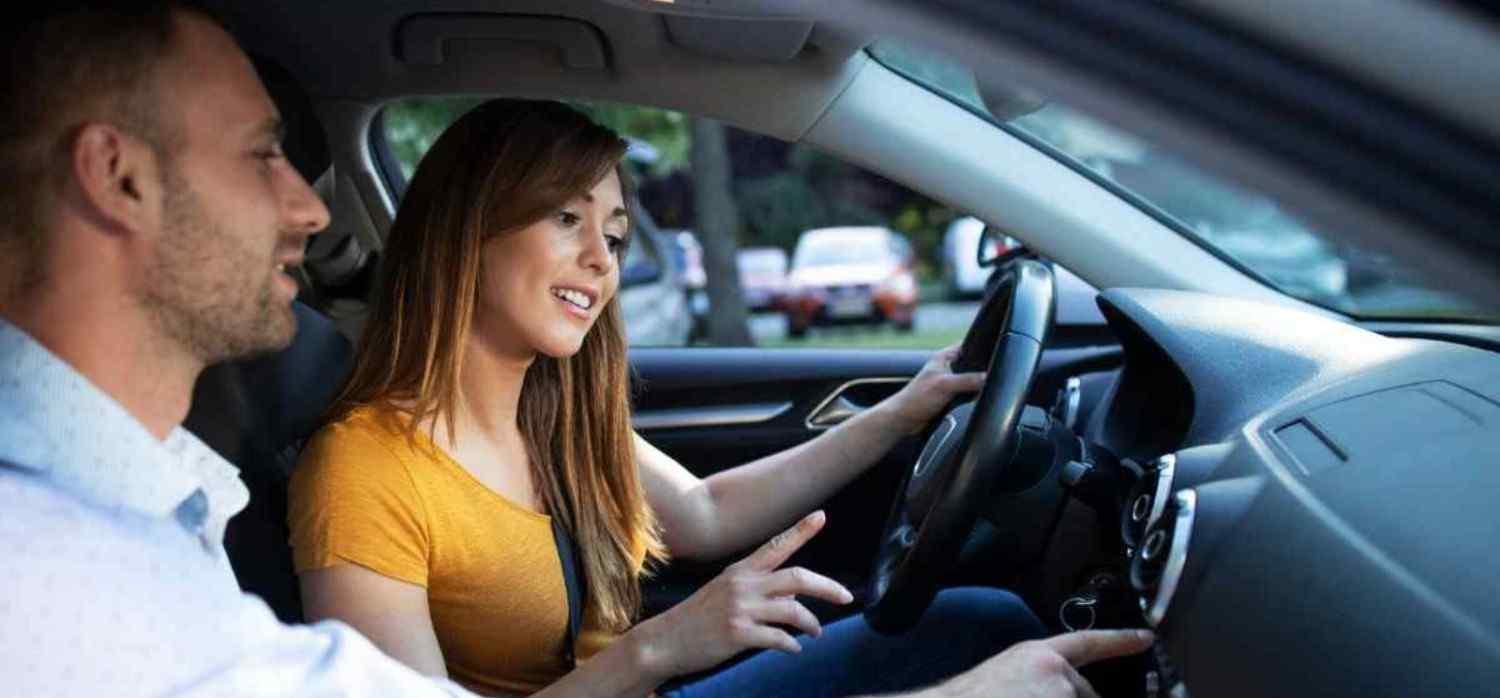
A p1 assessment tasmania is conducted on public roads with an authorised assessor observing your driving. The assessor gives you directions during the drive, while you remain responsible for controlling the vehicle and deciding when it is safe to complete each manoeuvre.
The assessment can involve ordinary situations such as turning at intersections, responding to traffic lights, changing lanes, passing parked vehicles and sharing the road with pedestrians or cyclists. Traffic conditions will not always be predictable, which is why route memorisation is not a reliable preparation strategy.
Listen carefully to the instructions, but keep your attention on the road. If traffic changes and you need to wait before turning or changing lanes, waiting for a safe opportunity is better than rushing because you are worried about following the instruction.
How can you prepare for Tasmania's roads?
Spend your practice time on different types of roads instead of repeatedly following the same familiar streets. Driving through residential areas, busier roads, hills and unfamiliar intersections can help you become more comfortable making decisions without relying on memory.
Hobart's hills are particularly useful for practising vehicle control. If you drive a manual car, work on smooth hill starts and make sure you can manage the vehicle while also checking your mirrors and watching surrounding traffic.
You should also experience different weather when it is safe and appropriate to do so. Rain can reduce visibility and make roads slippery. In these conditions, adjusting your speed, leaving more space and braking smoothly become important parts of safe driving.
What driving habits will the assessor watch?
The assessor observes your ability to maintain effective observation, choose an appropriate speed, position the vehicle correctly, use signals and respond to hazards. Consistency matters because safe driving requires you to make appropriate decisions throughout the entire drive.
A driving school can provide valuable feedback before your assessment. An instructor may notice small habits that you have become used to, such as checking mirrors too late or moving into another lane without giving yourself enough time to assess the surrounding area.
Tasmania also presents natural hazards that learners should understand. When driving near bushland around dusk, for example, wildlife may be close to the roadside. Spotting a potential hazard early gives you more time to slow down and respond safely if it moves towards the road.
How can professional training improve your preparation?
Effective driver training helps you develop judgement instead of teaching you to repeat a fixed sequence of actions. The objective is to understand what is happening around the vehicle and choose a safe response based on the situation.
During driving lessons, focus on the areas where you feel least confident. This might include roundabouts, lane changes, parking, intersections or maintaining an appropriate speed when traffic becomes heavier.
As you approach the assessment, practise with fewer prompts. Try to identify hazards yourself, plan ahead and decide when you need to change your speed or road position.
It is also useful to drive on unfamiliar roads. If you can remain calm, maintain observation and make sensible decisions without knowing what is around the next corner, you are developing skills that will remain useful after the assessment.
Conclusion
A p1 assessment tasmania is about demonstrating safe, responsible and independent driving in real traffic. Preparing effectively means building strong habits rather than memorising a test route. Practise across different roads and conditions, address any weaknesses and seek constructive feedback when needed. The goal is not simply to complete the assessment, but to become a safer driver for everyday life.

 English
 Arabic
 French
 Portuguese
 Deutsch
 Turkish
 Dutch
Dutch
 Italiano
 Russian
 Romaian
 Portuguese (Brazil)
 Greek
Greek