


Importance of IoT Connectivity for Modern Business Growth
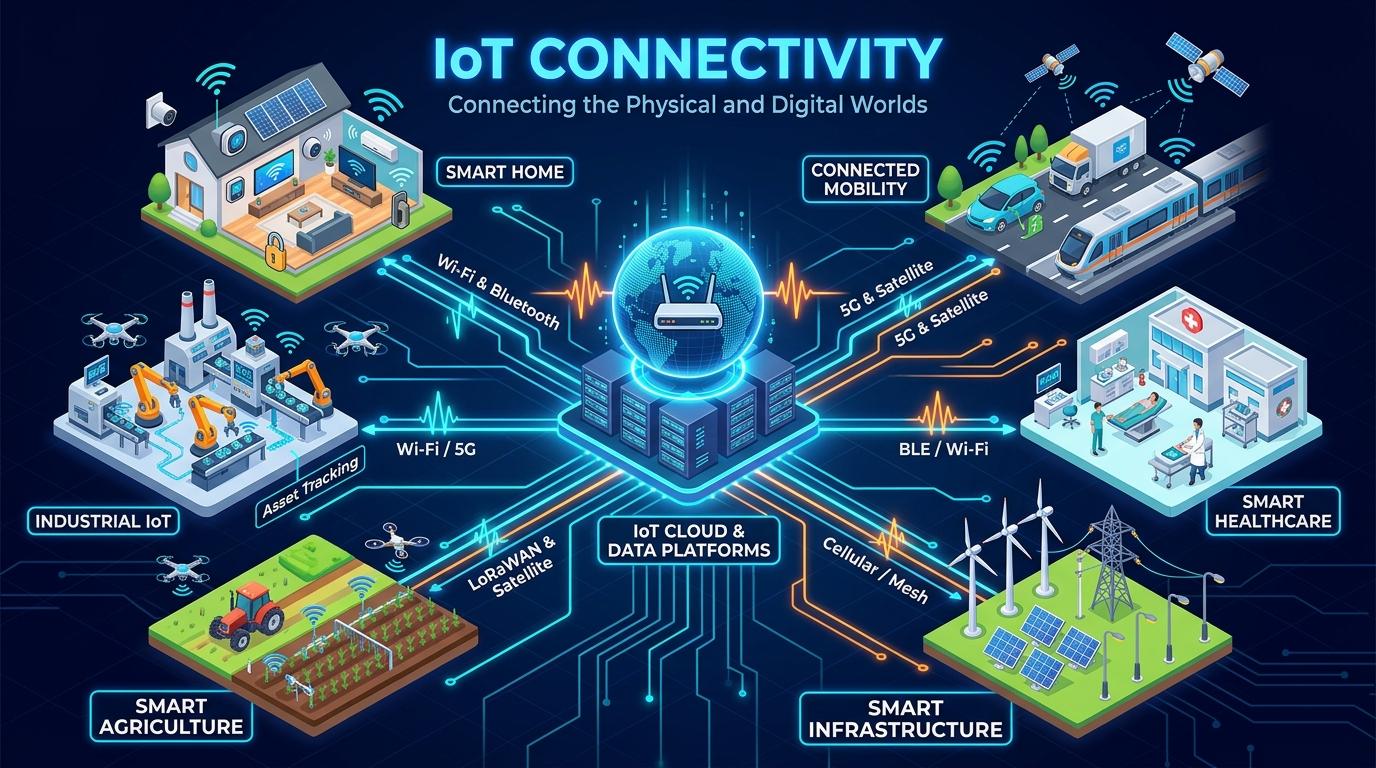
IoT connectivity has become an important part of modern digital business. It allows physical devices, machines, sensors, and systems to communicate with each other and share useful information. From healthcare and manufacturing to retail and transportation, connected technology is helping organizations improve the way they work.
Businesses generate large amounts of information every day, but data becomes more useful when it can be collected and shared at the right time. IoT connectivity creates this connection between physical devices and digital platforms. It allows organizations to monitor activities, understand conditions, and respond to changes more quickly.
As companies continue to adopt digital technologies, connected devices are becoming an important part of business planning and growth.
Why IoT Connectivity Matters
The importance of IoT connectivity comes from its ability to connect devices with people and software systems. Without a reliable connection, smart devices cannot share information or provide real-time updates.
Connected devices can collect information about machines, products, locations, temperatures, energy use, and many other conditions. This information can then be sent to business systems where it can be reviewed and used.
This creates better visibility across business operations. Instead of depending only on manual checks, organizations can use connected systems to understand what is happening as it happens.
Supporting Real-Time Data
Real-time data is one of the most valuable benefits of connected technology. Businesses often need current information to make decisions and respond to problems.
For example, a connected machine can send information about its condition to a monitoring platform. A business can then identify changes and take action before the problem becomes larger.
Real-time data can also help organizations monitor customers, inventory, vehicles, equipment, and facilities. This creates a clearer view of daily operations and supports faster responses.
Importance of IoT Networks
An IoT network provides the communication layer that connects devices and systems. It can include sensors, gateways, routers, cloud services, and software platforms.
A reliable IoT network is important because connected devices may need to send information continuously. If the connection is weak or unstable, data may be delayed or lost.
Businesses need to select network technologies based on their specific needs. Factors such as distance, device type, data volume, security, and operating environment can affect the design of the network.
A well-planned network can help connected systems operate smoothly and provide consistent data.
IoT Connectivity in Healthcare
Healthcare is one of the industries that can benefit greatly from connected technology. Hospitals and healthcare organizations use many types of devices and systems every day.
Connected medical equipment can send information to authorized platforms, helping healthcare teams monitor equipment and manage resources. IoT devices can also support patient monitoring and other healthcare services.
The growth of digital transformation healthcare is increasing the need for connected systems. Healthcare organizations are moving from separate processes toward more connected digital environments.
By connecting devices and systems, healthcare providers can improve access to information and create smoother workflows.
Supporting Remote Patient Monitoring
IoT connectivity can support remote patient monitoring by connecting medical devices with healthcare platforms. Patients can use approved devices to collect information that can be shared with healthcare professionals.
This can allow healthcare teams to monitor patients without requiring every check to take place inside a hospital or clinic. It can also make healthcare services more convenient for patients who need regular monitoring.
Remote monitoring systems need strong privacy and security controls. Healthcare data must be protected throughout the complete process, from the device to the software platform.
Improving Hospital Operations
Hospitals manage many resources, including medical equipment, rooms, staff, supplies, and energy systems. Connected devices can provide useful information about these resources.
For example, sensors can help monitor equipment use and room conditions. Staff can use this information to manage resources and respond to problems.
IoT can also support maintenance activities. Connected equipment can provide information about its condition, helping teams identify when maintenance may be needed.
Better visibility can help hospitals manage their operations more efficiently.
Supporting Manufacturing
Manufacturing companies depend on machines and equipment to maintain production. IoT connectivity can help connect these machines with monitoring systems.
Sensors can collect information about temperature, pressure, movement, speed, and other machine conditions. Managers can use this information to understand production performance.
Connected systems can also help identify signs of equipment problems. This may allow maintenance teams to take action before an unexpected failure affects production.
Improving Predictive Maintenance
Predictive maintenance is another reason IoT connectivity is important. Traditional maintenance often follows a fixed schedule. This may mean equipment is serviced even when it is working normally.
Connected sensors can provide information about the condition of machines. Businesses can analyze this data to identify possible signs of failure.
Early detection can help reduce unexpected downtime and support better maintenance planning. It can also help businesses use equipment more effectively.
Improving Logistics and Transportation
Transportation companies can use connected devices to monitor vehicles, shipments, and routes. GPS devices and sensors can provide information about location, movement, temperature, and other conditions.
This information can help logistics teams track deliveries and identify delays. Businesses can also use connected systems to monitor vehicles and plan maintenance.
For goods that require special conditions, sensors can provide updates about temperature or other factors during transportation. This can help protect products and improve delivery management.
Supporting Retail Operations
Retail companies can use connected technology to monitor inventory, equipment, and store conditions. Smart devices can provide information about product availability and stock movement.
Employees can use this information to manage inventory more effectively. Real-time updates can also reduce the chance of stock shortages or unnecessary overstock.
Connected systems can also support smart stores by helping businesses understand customer activity and improve store operations.
Supporting Energy Management
IoT connectivity can help businesses understand and control energy use. Smart meters and sensors can monitor electricity, heating, cooling, lighting, and other systems.
Businesses can use this information to identify areas where energy use is higher than expected. Automated systems can also adjust certain settings based on usage.
Better energy management can help organizations reduce waste and improve the use of their resources.
Supporting Digital Transformation
Digital transformation involves using technology to improve business processes, services, and decision-making. IoT is an important part of this process because it connects physical devices with digital platforms.
Connected systems allow businesses to collect real-world information and use it in digital applications. This can create better workflows and improve visibility.
The connection between IoT and digital transformation healthcare is especially valuable because healthcare organizations manage many devices, people, and processes. Connecting these areas can help create more coordinated digital operations.
Improving Business Decisions
Good decisions depend on useful information. IoT connectivity provides businesses with data from real-world activities and devices.
Managers can use this information to understand performance, identify problems, monitor resources, and plan future activities. Instead of depending only on manual reports, they can receive information from connected systems.
This can support faster decisions and help businesses respond to changes in their operations.
Improving Security and Control
Security is an important part of connected technology. Businesses need to protect devices, networks, applications, and data from unauthorized access.
An IoT network should include secure communication, device authentication, access controls, and regular software updates. Monitoring connected devices can also help identify unusual activity.
As the number of connected devices increases, businesses need to treat security as an important part of their overall technology strategy.
Supporting Business Automation
IoT connectivity can work with automation to reduce manual work. Connected devices can send information to software systems, which can then respond based on set rules.
For example, a temperature sensor can send an alert when conditions change. A machine can send a maintenance warning when its performance falls outside a normal range.
This type of automation can help businesses respond faster and reduce the need for constant manual monitoring.
Future Importance of IoT Connectivity
The importance of IoT connectivity will continue to grow as businesses connect more devices and systems. Advances in cloud technology, artificial intelligence, automation, and data analytics can make connected solutions more useful.
Companies will continue looking for ways to collect better information and use it to improve operations. Healthcare, manufacturing, logistics, retail, and other industries can benefit from stronger connections between physical devices and digital systems.
Businesses that plan their connected technology carefully can create flexible systems that support both current needs and future growth.
Conclusion
IoT connectivity is important because it allows devices, systems, and people to share information more effectively. It supports real-time data, automation, predictive maintenance, better resource management, and faster business decisions.
A reliable IoT network provides the foundation for connected operations, while the growth of digital transformation healthcare is creating new opportunities for IoT in hospitals, patient monitoring, and healthcare management.
As digital technology continues to develop, IoT connectivity will remain an important tool for businesses that want to improve efficiency, connect their operations, and build smarter digital environments.
More Info: Amg Innovative

 English
 Arabic
 French
 Spanish
 Portuguese
 Deutsch
 Turkish
 Italiano
 Russian
 Romaian
 Portuguese (Brazil)
 Greek
Greek