


Creatinine Clearance Test: What Happens During the 24-Hour Urine Collection?
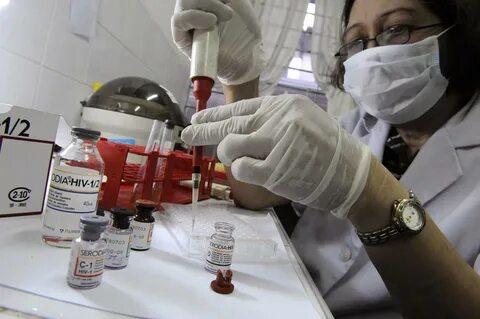
A creatinine clearance test can provide useful information about how efficiently the kidneys remove creatinine from the bloodstream. Unlike many routine laboratory tests that require only a blood or single urine sample, this test commonly involves collecting urine over an entire 24-hour period.
The idea of collecting every urine sample for a full day can seem complicated at first. However, once you understand how the process is timed and what happens at each stage, it becomes much easier to manage.
A successful collection depends on accurate timing, saving every required urine sample, and following the laboratory's storage instructions. The process usually also involves a blood sample so the laboratory can compare serum Creatinine Clearance Test in Dubai with urinary creatinine.
Here is what you can expect throughout the 24-hour urine collection.
Before the 24 Hours Begin:
Before starting the test, your healthcare provider or laboratory will give you a collection container and detailed instructions.
The instructions should explain:
-
When to start the collection
-
When to finish it
-
Which urine should be discarded at the beginning
-
Which urine samples must be saved
-
How the container should be stored
-
What to do if you miss a sample
-
When and where to return the completed collection
Read the instructions before the collection begins. If anything is unclear, ask the laboratory before starting rather than guessing.
Your healthcare provider may also tell you whether you need a blood test during the collection period.
Hour 0: Starting the Timed Collection
A 24-hour urine collection begins at a specific time.
For example, your healthcare professional may instruct you to start at 8:00 in the morning. At that time, you may be asked to urinate and discard that first urine.
This does not mean the urine is unimportant. The purpose is to empty your bladder at the exact starting point so that every urine sample produced afterward belongs to the timed collection.
Write down the exact starting time.
From that point forward, the collection period has officially begun.
The First Several Hours: Collecting Every Sample
After the initial bladder emptying, every urine passed during the next 24 hours generally needs to be collected.
This includes urine passed:
-
During the morning
-
At work or school
-
While traveling
-
Before going to bed
-
During the night
-
The following morning
The goal is to capture the urine produced throughout the entire specified period.
The laboratory uses the total urine collected to determine urine volume and measure urinary creatinine.
Why Every Urine Sample Matters?
Creatinine clearance depends partly on the total amount of creatinine eliminated in urine during the timed collection.
If urine is accidentally discarded, the laboratory may measure less urinary creatinine than was actually produced.
This can make the creatinine clearance estimate less reliable.
For this reason, the collection is not simply about providing a large amount of urine. It is about collecting the complete amount produced during the defined time period.
Managing the Collection During the Day:
The collection can be easier if you plan ahead.
If you will be away from home, consider how you will manage the sample according to the laboratory's instructions. Keep the collection container accessible and follow the recommended storage requirements.
Do not transfer urine into another container unless your healthcare provider or laboratory specifically instructs you to do so.
If the container has special handling requirements, follow them carefully.
The exact procedure can vary between laboratories, so the instructions supplied with your collection container should always take priority.
What Should You Drink During the Test?
In many cases, you can follow your usual routine unless your healthcare provider gives you different instructions.
Do not deliberately drink excessive amounts of water to produce more urine. Similarly, do not intentionally restrict fluids to reduce the amount collected.
Major changes in fluid intake can affect urine volume and may make the test harder to interpret.
If your healthcare professional has given you specific instructions about fluid intake, follow those instructions.
Can You Eat Normally?
Unless you have been given special instructions, you may generally continue your normal routine.
However, avoid making unusual dietary changes simply because you are completing a kidney function test.
Creatinine production can be influenced by factors such as diet, muscle mass, and physical activity. Maintaining your usual routine can help provide a result that reflects your normal circumstances.
If your provider has given you specific dietary instructions, follow them instead.
What About Exercise?
Normal daily activity is generally preferable unless your healthcare professional tells you otherwise.
Unusually intense exercise can affect creatinine production in some people. If you regularly perform strenuous exercise, tell your healthcare provider because this information may be relevant when interpreting your creatinine levels.
The purpose of the test is to understand kidney filtration in the context of your overall health, not to artificially influence the laboratory result.
The Overnight Portion: Do Not Forget the Collection
The nighttime hours can be the easiest part of the collection to overlook.
If you wake up to urinate, that urine may need to be collected as part of the timed period.
Keep the required container and supplies available according to the laboratory's safety and storage instructions.
Do not assume that nighttime urine can be discarded.
Every missed sample can potentially affect the completeness of the 24-hour urine collection.
What If You Miss a Sample?
Tell your healthcare provider or laboratory if you forget to collect urine, spill a sample, or accidentally discard part of the collection.
Do not try to estimate how much urine was lost.
Because the creatinine clearance calculation depends on accurate urine volume and urinary creatinine measurements, the laboratory may recommend repeating the timed collection.
It is better to report a collection problem than to submit an incomplete sample without mentioning it.
During the Collection: Why Urine Volume Is Important
The laboratory does more than measure urine creatinine concentration.
The total amount of urine produced during the timed period is also relevant.
For example, two people could have the same urinary creatinine concentration but very different total urine volumes. Their total creatinine excretion could therefore be different.
This is one reason the entire timed urine collection matters.
The Blood Sample: The Other Half of the Test
A creatinine clearance test generally uses both urine and blood information.
A blood sample provides the serum creatinine concentration. The urine sample provides urinary creatinine and total urine volume over the collection period.
The laboratory uses these measurements together to estimate creatinine clearance.
The blood sample may be collected during or around the end of the urine collection, depending on the laboratory protocol.
Your healthcare provider or laboratory will tell you when it should be performed.
Hour 24: Finishing the Collection
When the 24-hour period is complete, the final urine sample is usually collected according to the laboratory's instructions.
If your collection began at 8:00 in the morning, the final collection point would generally be around 8:00 the following morning.
The final sample is important because the goal is to capture urine throughout the entire specified period.
Once the collection is complete, follow the instructions for returning the container to the laboratory.
What Happens After the Sample Reaches the Laboratory?
The laboratory can measure urinary creatinine concentration and determine the total urine volume.
The serum creatinine value is also considered.
The creatinine clearance calculation uses these measurements together with the collection duration and other relevant information.
The resulting value is an estimate of how efficiently the kidneys clear creatinine from the bloodstream.
It is related to glomerular filtration but is not exactly the same as a directly measured GFR.
How Are Creatinine Clearance Results Interpreted?
There is no single creatinine clearance value that is ideal for every person.
Interpretation can depend on age, sex, body size, muscle mass, laboratory methods, and overall health.
A decreased creatinine clearance can be associated with reduced kidney filtration. However, collection errors, changes in creatinine production, recent illness, medications, hydration, and other factors can influence the result.
A higher result does not automatically mean that kidney function is healthier. In some situations, increased filtration or hyperfiltration can occur.
Your healthcare provider should interpret the result in the context of your complete medical picture.
Creatinine Clearance vs. eGFR:
You may also have an eGFR reported with your kidney function testing.
eGFR is an estimate of glomerular filtration calculated primarily from blood creatinine and an established equation. It generally does not require a 24-hour urine collection.
Creatinine clearance and eGFR provide related information, but they are calculated differently.
eGFR is commonly used for routine kidney assessment, while creatinine clearance may be useful in selected situations where additional information is needed.
What Can Make a 24-Hour Collection Inaccurate?
Several problems can affect the reliability of the result:
Missing Urine
Forgetting one or more samples can reduce the measured amount of urinary creatinine.
Incorrect Timing
Starting or ending the collection at the wrong time can make the total collection period inaccurate.
Improper Storage
Failure to follow storage instructions may affect sample handling.
Unusual Fluid Intake
Drinking substantially more or less than usual can change urine volume.
Changes in Routine
Major changes in diet or physical activity may influence creatinine production and interpretation.
If something unusual happens during the collection, report it rather than assuming it will not matter.
What Does a 24-Hour Creatinine Clearance Test Tell You?
The test primarily provides an estimate related to kidney filtration.
It can help healthcare professionals assess renal function and investigate certain abnormal kidney function findings.
However, it does not provide a complete picture of kidney health.
Other tests, including serum creatinine, eGFR, urine albumin-to-creatinine ratio, urinalysis, blood pressure assessment, and sometimes imaging, may be needed depending on the clinical situation.
A normal creatinine clearance does not necessarily rule out all forms of kidney damage.
Frequently Asked Questions:
Do I have to collect urine at night?
If you urinate during the timed collection period, that urine generally needs to be included. Follow your laboratory's specific instructions.
What happens if I forget one urine sample?
Contact your healthcare provider or laboratory. The collection may need to be repeated because an incomplete sample can affect the result.
Can I work while doing a 24-hour urine collection?
In many situations, yes. However, you need to plan how you will safely collect and store each required sample while away from home.
Does the 24-hour urine collection hurt?
The urine collection itself is not painful. The test may also require a blood sample, which involves the usual brief discomfort associated with blood collection.
Is creatinine clearance the same as GFR?
No. Creatinine clearance is an estimate based on blood and urine creatinine measurements. GFR refers to the rate at which the kidneys filter blood, and creatinine clearance may not exactly equal true GFR.
Final Takeaway:
A 24-hour creatinine clearance Lab tests may seem inconvenient, but each step serves a purpose. The collection begins at a defined time, continues through the full testing period, and includes every urine sample produced during that window.
The accuracy of the result depends heavily on complete collection, correct timing, and proper sample handling. A blood creatinine measurement is also generally needed so the laboratory can estimate how efficiently the kidneys clear creatinine.
If you are completing a 24-hour urine collection, follow your laboratory's instructions carefully and report any missed or spilled samples. Once the testing is complete, your healthcare provider can interpret the creatinine clearance alongside eGFR, serum creatinine, urine findings, and your overall health.
Understanding the process can make the test less confusing and help ensure that the final kidney function assessment is based on the most reliable information possible.

 English
 Arabic
 French
 Portuguese
 Deutsch
 Turkish
 Dutch
Dutch
 Italiano
 Russian
 Romaian
 Portuguese (Brazil)
 Greek
Greek