


How to Prepare Land for a Tiny Home on the Gold Coast: A Step-by-Step Guide
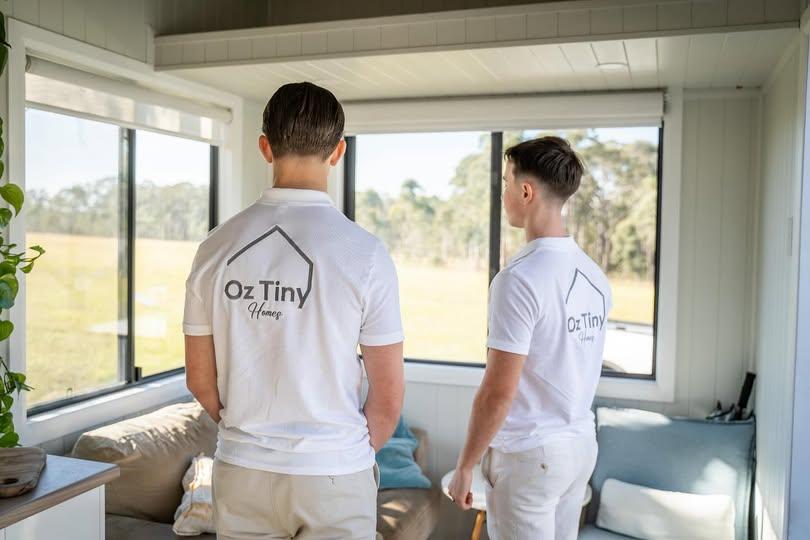
The popularity of tiny homes Gold Coast continues to grow as more Australians seek affordable, sustainable, and flexible housing solutions. Whether you're planning to install a tiny home in a suburban backyard, on acreage, or in a rural setting, proper land preparation is essential for a successful project.
Many people focus on choosing the perfect tiny home but overlook the importance of preparing the site beforehand. From understanding local regulations to ensuring access to utilities and creating a stable foundation, several factors can influence the long-term functionality and safety of your tiny home.
This step-by-step guide explains how to prepare land for tiny homes Gold Coast and highlights the key considerations every property owner should understand before installation.
Why Proper Site Preparation Matters
Preparing land correctly is one of the most important stages of any tiny home project.
Proper preparation helps:
- Ensure compliance with local requirements
- Improve structural stability
- Prevent drainage issues
- Simplify utility connections
- Reduce future maintenance costs
- Create a safe and comfortable living environment
A well-prepared site allows tiny homes Gold Coast to perform efficiently and remain durable for years to come.
Step 1: Understand Local Council and Planning Requirements
Before making any changes to your property, research the planning and development requirements that apply to your land.
In Queensland, tiny homes may be regulated differently depending on whether they are fixed to the land, used as permanent accommodation, or classified as movable dwellings. Fixed tiny homes used as permanent residences may require building, plumbing, and drainage approvals.
Important factors to investigate include:
- Property zoning
- Land-use restrictions
- Building approvals
- Secondary dwelling requirements
- Environmental overlays
- Easements and covenants
Understanding these requirements early can help avoid costly delays and unexpected compliance issues.
Step 2: Assess Your Property's Suitability
Not every block of land is immediately suitable for tiny homes Gold Coast.
Conduct a detailed assessment of your property by considering:
Land Size
Ensure sufficient space is available for:
- The tiny home footprint
- Access pathways
- Outdoor living areas
- Parking
- Utility infrastructure
Slope and Terrain
Steep blocks may require additional earthworks, retaining walls, or engineered foundations.
Soil Conditions
The soil must be capable of supporting the weight of the tiny home and any supporting structures.
A professional site assessment can identify potential issues before construction begins.
Step 3: Choose the Best Location on the Block
Selecting the right location is crucial for comfort, accessibility, and long-term performance.
When positioning tiny homes Gold Coast, consider:
Sunlight Exposure
Proper orientation can improve natural lighting and energy efficiency.
Privacy
Position the tiny home to maximize privacy from neighboring properties and existing dwellings.
Wind Protection
Natural windbreaks such as trees and landscaping can improve comfort and reduce weather exposure.
Future Property Use
Consider how the tiny home will fit within your property's long-term plans.
Strategic placement helps maximize both functionality and property value.
Step 4: Check Access for Delivery and Installation
One of the most overlooked aspects of installing tiny homes Gold Coast is site access.
Because many tiny homes are delivered by truck or trailer, you'll need to ensure there is adequate access for transportation and installation equipment.
Key considerations include:
- Driveway width
- Turning space
- Tree clearance
- Fence obstructions
- Overhead power lines
- Ground stability
Properties with challenging access may require crane installation or temporary site modifications. Delivery routes, gradients, and access points should be assessed before installation day.
Step 5: Clear and Prepare the Site
Once you've selected the installation area, site clearing can begin.
This may involve:
- Removing vegetation
- Clearing debris
- Eliminating obstacles
- Trimming trees
- Levelling uneven ground
Site preparation creates a clean and safe working area while reducing future maintenance requirements.
For larger properties, earthworks may be required to establish suitable building levels and improve drainage. Proper grading can also help manage water flow across the site.
Step 6: Address Drainage and Water Management
The Gold Coast experiences significant rainfall throughout the year, making drainage a critical consideration.
Poor drainage can lead to:
- Foundation damage
- Soil erosion
- Water pooling
- Structural issues
- Increased maintenance costs
Effective drainage solutions may include:
- Surface grading
- Drainage channels
- Stormwater systems
- Gravel surrounds
- Retention areas
Proper water management protects both the tiny home and the surrounding landscape.
Step 7: Prepare the Foundation or Footings
The type of foundation required depends on the design of your tiny home.
Common options for tiny homes Gold Coast include:
Concrete Slabs
Provide strong and permanent support.
Screw Piles
Suitable for sloping sites and environmentally sensitive areas.
Stumps or Piers
Common for elevated installations.
Engineered Footings
Often used where soil conditions require additional structural support.
For permanently installed tiny homes, engineered foundations and structural certification may be required.
Choosing the right foundation ensures long-term stability and compliance.
Step 8: Plan Utility Connections
Access to essential services is a major part of preparing land for tiny homes Gold Coast.
Electricity
Determine whether you'll connect to the grid or use an off-grid solar system.
Water Supply
Options may include:
- Town water
- Rainwater tanks
- Bore water systems
Wastewater Management
Depending on the property, solutions may include:
- Sewer connections
- Septic systems
- On-site wastewater treatment
Internet and Communications
Reliable connectivity is increasingly important for remote work and daily living.
Utility planning should occur early to avoid installation delays.
Step 9: Consider Environmental Factors
Environmental conditions can influence the design and placement of tiny homes Gold Coast.
Factors to assess include:
Flood Risk
Avoid low-lying areas prone to flooding.
Bushfire Risk
Some locations may require additional fire protection measures.
Coastal Exposure
Properties near the coastline may experience stronger winds and salt exposure.
Stormwater Runoff
Managing runoff helps protect the site and surrounding environment.
Understanding these factors can improve resilience and reduce future risks.
Step 10: Arrange Necessary Approvals and Documentation
Before installation begins, ensure all required approvals and documentation are in place.
This may include:
- Building approvals
- Plumbing approvals
- Engineering certifications
- Site plans
- Utility permits
Queensland authorities recommend treating tiny home projects like any residential construction project by planning for engineering, services, site access, and compliance requirements before installation.
Keeping detailed records can simplify inspections and future property transactions.
Common Mistakes to Avoid
Many property owners encounter avoidable issues when preparing land for tiny homes Gold Coast.
Common mistakes include:
- Ignoring local regulations
- Underestimating site preparation costs
- Overlooking drainage requirements
- Failing to assess delivery access
- Choosing unsuitable foundations
- Delaying utility planning
Avoiding these mistakes can save both time and money.
Benefits of Properly Preparing Land for Tiny Homes Gold Coast
When site preparation is completed correctly, homeowners can enjoy several advantages:
- Faster installation process
- Improved structural stability
- Better drainage performance
- Reduced maintenance costs
- Enhanced property value
- Greater long-term comfort
Proper preparation lays the foundation for a successful tiny home lifestyle.
Conclusion
Preparing land for tiny homes Gold Coast involves much more than simply choosing a location and placing a structure on the property. From understanding local requirements and assessing site conditions to planning utilities and managing drainage, every step plays a vital role in the success of the project.
By investing time in thorough planning and site preparation, property owners can create a safe, functional, and compliant environment for their tiny home. Whether you're building a permanent residence, a secondary dwelling, or a lifestyle retreat, proper land preparation will help ensure your tiny homes Gold Coast project runs smoothly from start to finish.

 English
 Arabic
 French
 Spanish
 Portuguese
 Turkish
 Dutch
Dutch
 Italiano
 Russian
 Romaian
 Portuguese (Brazil)
 Greek
Greek