


Premature Ejaculation: Causes, Symptoms, Treatment and Solutions
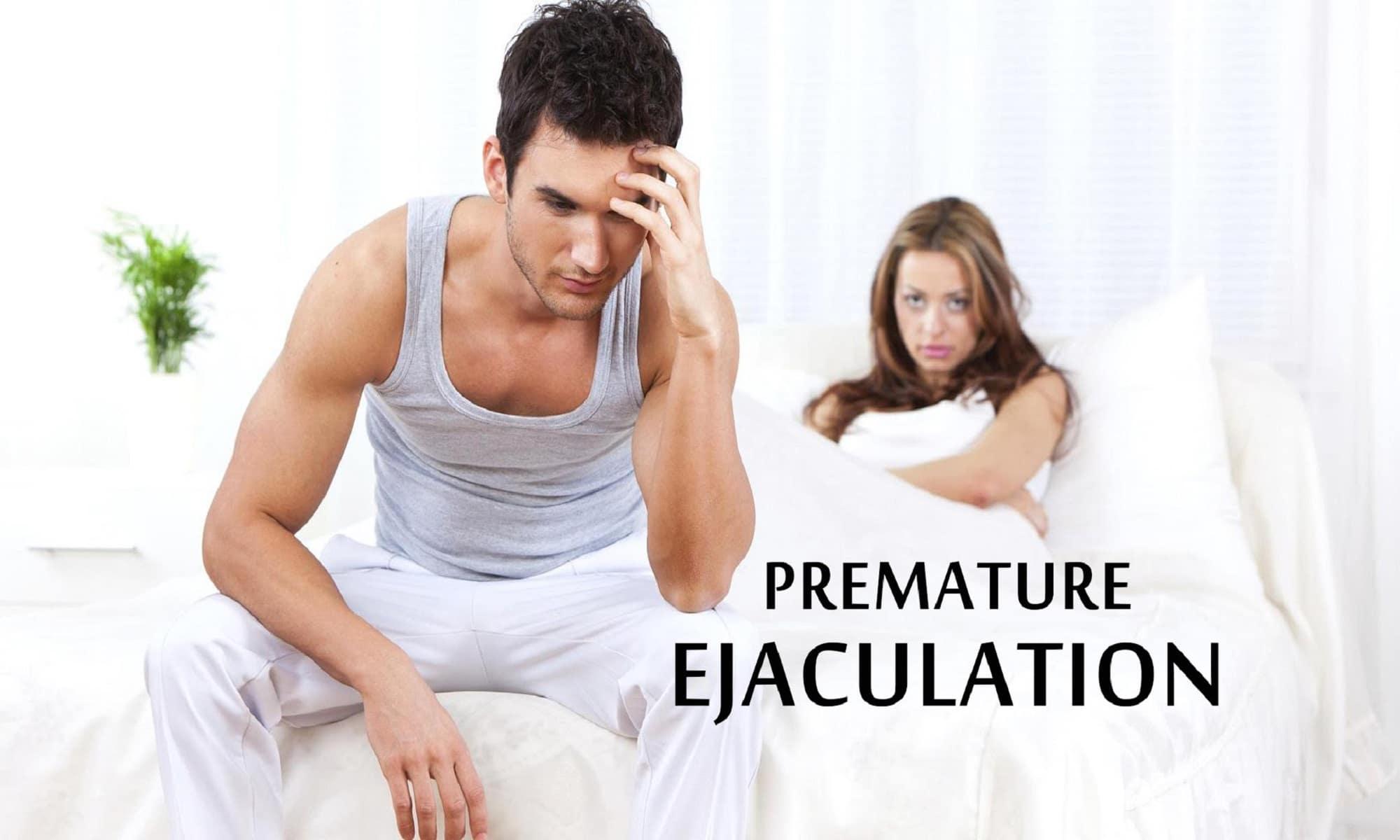
Premature ejaculation is one of the most common sexual health concerns affecting men. It occurs when a man ejaculates earlier than he or his partner would like and has difficulty controlling or delaying ejaculation. While occasional early ejaculation can happen to almost anyone, repeated premature ejaculation may become frustrating and can affect sexual confidence, relationships, and overall quality of life.
Many men hesitate to discuss premature ejaculation because of embarrassment or fear of judgment. However, it is a legitimate sexual-health concern, and effective treatment options are available.
Understanding the possible causes is the first step toward finding an appropriate solution. Premature ejaculation may be associated with psychological factors, relationship issues, erectile dysfunction, certain medical conditions, sexual habits, or biological factors.
This guide explains everything you need to know about premature ejaculation, including its symptoms, causes, diagnosis, treatment options, lifestyle measures, and frequently asked questions.
What Is Premature Ejaculation?
Premature ejaculation, commonly abbreviated as PE, is a condition in which ejaculation occurs sooner than desired during sexual activity, accompanied by difficulty delaying ejaculation and distress or frustration.
There is no universal amount of time that automatically defines premature ejaculation for every man. Sexual expectations differ between individuals and couples. Healthcare professionals generally consider:
-
How quickly ejaculation occurs
-
How consistently the problem occurs
-
The man's ability to control ejaculation
-
Whether the problem causes distress
-
Its effect on sexual satisfaction and relationships
An occasional episode of rapid ejaculation is generally not considered a disorder. The concern becomes more significant when the problem happens repeatedly and causes distress.
Main Symptoms of Premature Ejaculation
The symptoms of PE can vary, but common signs include:
-
Ejaculating earlier than desired
-
Difficulty controlling ejaculation
-
Repeated inability to delay orgasm
-
Frustration after sexual activity
-
Anxiety before or during sex
-
Reduced sexual confidence
-
Avoiding sexual relationships or intimacy
-
Relationship tension
-
Reduced satisfaction for one or both partners
A healthcare professional can help determine whether these symptoms meet the criteria for premature ejaculation.
Types of Premature Ejaculation
Premature ejaculation is generally discussed in two main forms.
Lifelong Premature Ejaculation
Lifelong PE is present from a man's earliest sexual experiences. The problem tends to remain relatively consistent throughout his sexual life.
Men with lifelong PE may experience very rapid ejaculation and limited ability to delay it.
Acquired Premature Ejaculation
Acquired PE develops after a man previously had satisfactory ejaculation control.
This type can sometimes be linked to:
-
Anxiety
-
Stress
-
Relationship problems
-
Erectile dysfunction
-
Prostate problems
-
Hormonal disorders
-
Medication effects
-
Psychological changes
-
Changes in sexual circumstances
Because acquired PE can sometimes be associated with another health problem, medical evaluation can be particularly useful.
Causes of Premature Ejaculation
There is usually no single cause of PE. Several factors may contribute at the same time.
Psychological Causes
Performance Anxiety
Performance anxiety is a common contributor. A man may worry about satisfying his partner, maintaining an erection, or ejaculating too soon. These thoughts can increase tension and make ejaculation more difficult to control.
Stress
Daily stress can influence sexual performance. Work pressure, financial concerns, family problems, and other stressful circumstances may interfere with sexual relaxation.
Depression
Depression can affect libido, arousal, sexual confidence, and overall sexual satisfaction. It may also contribute indirectly to sexual difficulties.
Relationship Problems
Emotional conflict, poor communication, lack of intimacy, or relationship dissatisfaction can influence sexual performance.
Sexual Conditioning
Sexual habits developed over time may influence ejaculation patterns. For example, consistently rushing masturbation may reinforce a habit of reaching orgasm quickly.
Physical and Biological Factors
PE may also have physical or biological contributors.
Potential factors include:
-
Erectile dysfunction
-
Prostate inflammation
-
Thyroid abnormalities
-
Hormonal changes
-
Neurological conditions
-
Chronic pelvic discomfort
-
Abnormal neurotransmitter activity
-
Certain medications
-
Other underlying health problems
If premature ejaculation begins suddenly after a period of normal sexual function, discussing the change with a healthcare professional is especially important.
Relationship Between Premature Ejaculation and Erectile Dysfunction
Premature ejaculation and erectile dysfunction are separate conditions, but they can occur together.
For example, a man who is concerned about losing an erection may rush sexual activity. This can result in faster ejaculation.
The opposite cycle can also occur. Repeated PE may cause performance anxiety, which can make it harder to maintain an erection.
For men experiencing both conditions, addressing both problems may be necessary to improve overall sexual wellbeing.
How Is Premature Ejaculation Diagnosed?
Diagnosis usually begins with a detailed medical and sexual history.
A healthcare professional may ask questions about:
-
How long the problem has existed
-
Whether it has always been present
-
How frequently it occurs
-
Whether ejaculation can be delayed
-
Whether erections are normal
-
Whether the problem causes distress
-
Current medications
-
Stress and psychological health
-
Relationship circumstances
-
Urinary or prostate symptoms
-
Other medical conditions
A physical examination may be performed when appropriate. Additional tests are not always necessary, but they may be recommended when symptoms suggest an underlying medical condition.
Treatment Options for Premature Ejaculation
The best treatment depends on the cause and individual circumstances. Some men benefit from one treatment, while others require a combination of approaches.
1. Behavioral Techniques
Behavioral techniques can help some men recognize their level of sexual arousal and improve ejaculation control.
Start-Stop Method
The start-stop technique involves stimulating the penis until ejaculation feels close, then stopping stimulation temporarily.
Once the urge decreases, stimulation can resume.
With repeated practice, some men become better at identifying the point at which ejaculation becomes difficult to control.
Squeeze Method
The squeeze technique involves stopping stimulation when ejaculation feels imminent and applying gentle pressure to the appropriate area of the penis.
These techniques may require practice and patience.
2. Pelvic Floor Exercises
Pelvic-floor exercises, often known as Kegel exercises, may help some men develop better control of the muscles involved in sexual function.
A typical approach involves:
-
Identifying the pelvic-floor muscles.
-
Contracting them for several seconds.
-
Relaxing the muscles.
-
Repeating the exercise.
-
Gradually building a consistent routine.
Avoid continuously tightening these muscles throughout the day. Some men may have excessive pelvic-floor tension and may require professional guidance instead of simply strengthening the muscles.
3. Counseling and Sex Therapy
Psychological counseling can be helpful when PE is associated with anxiety, stress, relationship problems, or performance concerns.
A qualified therapist may help a man:
-
Reduce performance anxiety
-
Improve sexual confidence
-
Understand sexual triggers
-
Improve communication with a partner
-
Manage stress
-
Develop healthier sexual patterns
Sex therapy can also be combined with medication or behavioral techniques.
4. Topical Anesthetic Treatments
Some topical treatments temporarily reduce penile sensitivity and may help delay ejaculation.
Certain products contain local anesthetics such as:
-
Lidocaine
-
Prilocaine
These products should be used according to medical advice or the product's instructions.
Too much anesthetic can cause excessive numbness and may reduce sexual pleasure. Some products can also transfer to a partner, making proper use important.
5. Prescription Medication
Certain prescription medications may help some men delay ejaculation.
Some medicines that influence serotonin pathways, including certain SSRIs, have been used to manage PE. The choice of medication depends on the individual patient and local medical practice.
Possible side effects vary depending on the medication and may include:
-
Nausea
-
Dizziness
-
Fatigue
-
Changes in sexual desire
-
Difficulty reaching orgasm
-
Other medication-specific effects
Medication should only be taken after consultation with a qualified healthcare professional.
6. Treating Erectile Dysfunction
If erectile dysfunction is contributing to premature ejaculation, treating ED may help improve sexual confidence and performance.
Depending on the cause, ED treatment can involve:
-
Lifestyle changes
-
Psychological support
-
Prescription medication
-
Treatment of underlying health problems
-
Other medically appropriate therapies
A doctor can determine whether erectile dysfunction is contributing to the ejaculation problem.
7. Treating Underlying Medical Conditions
When PE is related to another health condition, treating the underlying problem may improve sexual function.
Depending on the patient's symptoms, a healthcare professional may assess:
-
Prostate health
-
Thyroid function
-
Hormonal health
-
Erectile function
-
Psychological health
-
Medication-related effects
-
Chronic pelvic problems
Lifestyle Changes for Better Sexual Health
Lifestyle improvements can support general and sexual health, although they are not guaranteed to eliminate PE.
Exercise Regularly
Regular exercise can improve cardiovascular health, energy, mood, and overall physical wellbeing.
Get Enough Sleep
Poor sleep can contribute to stress, fatigue, and reduced sexual wellbeing. Maintaining a consistent sleep routine can support overall health.
Manage Stress
Relaxation techniques, physical activity, breathing exercises, hobbies, and healthy routines can help reduce stress.
Limit Alcohol
Heavy alcohol consumption can interfere with sexual performance and may contribute to erectile difficulties.
Stop Smoking
Smoking can damage blood vessels and increase the risk of erectile dysfunction and other health problems.
Maintain a Healthy Weight
A balanced diet and healthy weight can support cardiovascular and metabolic health, which are important for normal sexual function.
Can Premature Ejaculation Be Treated Naturally?
Some men look for natural methods to improve ejaculation control. Lifestyle changes, stress management, pelvic-floor exercises, and behavioral techniques may be useful for some individuals.
However, there is no guaranteed natural remedy that permanently cures premature ejaculation.
Be cautious with unverified herbal products or supplements marketed as instant sexual-performance treatments. Some products may contain undisclosed ingredients or interact with medications.
When PE is persistent, professional evaluation is a safer approach.
Does Masturbation Cause Premature Ejaculation?
Masturbation does not automatically cause premature ejaculation.
However, the way a person masturbates can sometimes influence learned sexual responses. If someone consistently masturbates very quickly, they may become accustomed to reaching orgasm rapidly.
Slowing down, taking pauses, and paying attention to increasing arousal may help some men become more aware of their body's responses.
Does Premature Ejaculation Mean Low Testosterone?
Not necessarily.
Premature ejaculation has many possible causes, and low testosterone is not automatically responsible.
If a man has additional symptoms suggesting a hormonal problem, such as reduced sexual desire, persistent fatigue, or other changes, a healthcare professional can determine whether hormone testing is appropriate.
Can Premature Ejaculation Affect Fertility?
PE and infertility are different conditions.
A man with premature ejaculation can have normal sperm production and fertility. However, if ejaculation consistently occurs before penetration or makes intercourse difficult, conception may become more challenging.
Couples experiencing difficulty conceiving should seek appropriate fertility evaluation rather than assuming that premature ejaculation is the cause.
Can Premature Ejaculation Affect Mental Health?
Yes.
Persistent PE may lead to:
-
Embarrassment
-
Frustration
-
Low sexual confidence
-
Anxiety
-
Avoidance of intimacy
-
Relationship stress
-
Negative thoughts about sexual performance
These emotional effects can sometimes worsen the original problem, creating a cycle of anxiety and rapid ejaculation.
Addressing both the physical and psychological aspects can therefore be important.
Can Premature Ejaculation Be Prevented?
There is no guaranteed method of preventing every case of PE.
However, maintaining good physical and psychological health may reduce some contributing factors.
Helpful habits include:
-
Managing stress
-
Exercising regularly
-
Getting sufficient sleep
-
Avoiding excessive alcohol
-
Not smoking
-
Maintaining a healthy weight
-
Treating erectile dysfunction
-
Addressing anxiety
-
Communicating openly with a partner
-
Seeking medical advice for persistent symptoms
How Long Does Premature Ejaculation Treatment Take?
The time required to see improvement varies.
Some men may experience improvement relatively quickly, while others may need several weeks or longer.
Treatment response can depend on:
-
The underlying cause
-
Severity of PE
-
Duration of symptoms
-
Presence of anxiety
-
Erectile function
-
General health
-
Treatment method
-
Consistency with behavioral strategies
A healthcare professional can provide a more individualized treatment plan after evaluating the patient.
When Should You See a Doctor?
You should consider speaking with a qualified healthcare professional if:
-
You frequently ejaculate sooner than desired
-
You have little control over ejaculation
-
The problem causes significant distress
-
PE is affecting your relationship
-
The problem developed suddenly
-
You also have erectile dysfunction
-
You experience pain during ejaculation
-
You have urinary symptoms
-
You have prostate-related symptoms
-
Anxiety is significantly affecting your sexual life
There is no reason to feel embarrassed about seeking professional help. Sexual-health professionals routinely evaluate and treat these concerns.
Frequently Asked Questions
What is premature ejaculation?
Premature ejaculation is a condition in which ejaculation happens sooner than desired, with limited control and associated distress.
Is premature ejaculation common?
Yes. It is one of the most common male sexual-health concerns. Occasional early ejaculation is also common and does not necessarily indicate a disorder.
What is the normal ejaculation time?
There is no single normal ejaculation time that applies to every man or couple. Control, satisfaction, frequency of the problem, and distress are important considerations.
Can premature ejaculation be cured permanently?
Many men can achieve significant improvement. Whether symptoms disappear permanently depends on the underlying cause and the individual's response to treatment.
Can stress cause premature ejaculation?
Yes. Stress and performance anxiety can contribute to rapid ejaculation or make an existing problem worse.
Can exercise help premature ejaculation?
Regular exercise supports general health and may help reduce stress and improve physical wellbeing. It may therefore support sexual health, although exercise alone is not a guaranteed treatment for PE.
Are there medicines for premature ejaculation?
Yes. Depending on the situation, doctors may recommend certain prescription medications or topical anesthetic treatments. Medication should be used under professional guidance.
Can premature ejaculation be treated without medication?
Yes. Behavioral techniques, counseling, pelvic-floor exercises, stress management, and lifestyle changes may help some men.
Is premature ejaculation the same as erectile dysfunction?
No. PE involves difficulty delaying ejaculation, whereas ED involves difficulty achieving or maintaining an erection sufficient for sexual activity. However, both conditions can occur together.
Should men be embarrassed about premature ejaculation?
No. PE is a common sexual-health concern and does not indicate weakness or lack of masculinity. Seeking professional help is a normal part of managing a health condition.
Conclusion
Premature ejaculation is a common and manageable sexual-health concern that can affect sexual satisfaction, confidence, relationships, and emotional wellbeing. It may be influenced by psychological factors, sexual habits, erectile dysfunction, relationship difficulties, physical conditions, or biological factors.
The most appropriate treatment depends on the individual cause. Behavioral techniques, pelvic-floor exercises, counseling, topical anesthetics, prescription medications, lifestyle changes, and treatment of underlying conditions can all have a role in management.
If premature ejaculation happens repeatedly or causes significant distress, consulting a qualified healthcare professional is the best way to identify the underlying cause and choose an appropriate treatment plan.
Most importantly, premature ejaculation is not something a man needs to suffer through silently. With appropriate evaluation and treatment, many men can improve ejaculation control, confidence, and overall sexual wellbeing.

 English
 French
 Spanish
 Portuguese
 Deutsch
 Turkish
 Dutch
Dutch
 Italiano
 Russian
 Romaian
 Portuguese (Brazil)
 Greek
Greek