


How Can a Butane Gas Cartridge Manufacturer Meet Buyer Needs?
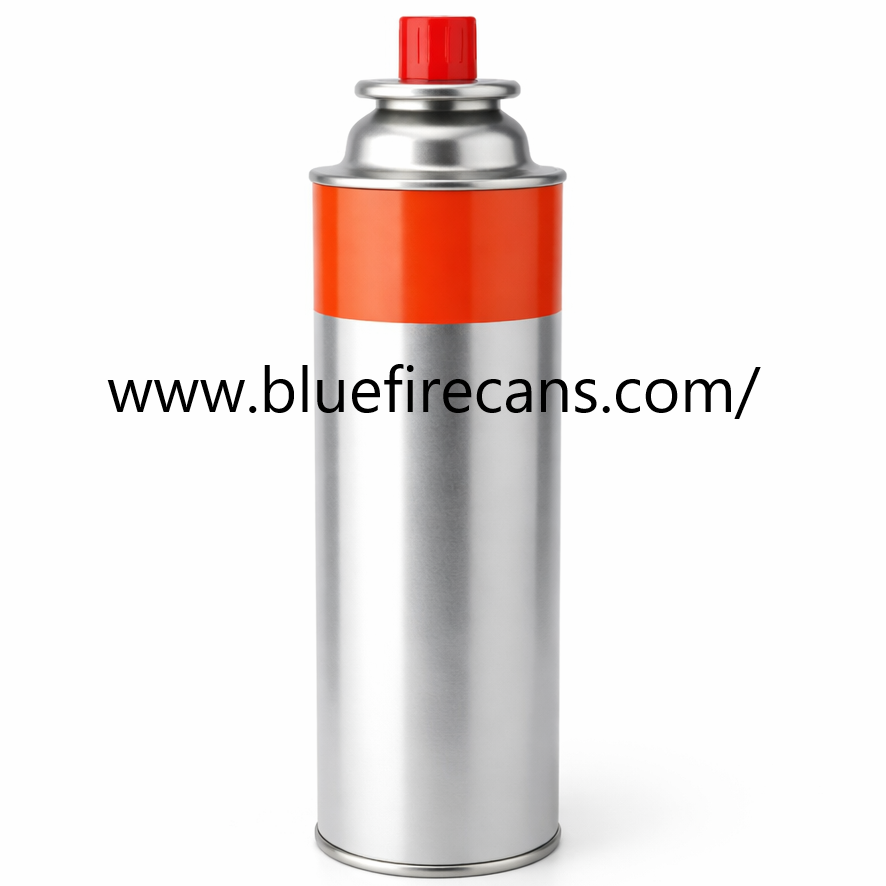
Butane Gas Cartridge Manufacturer selection requires careful attention to product specifications, production procedures, packaging arrangements, and commercial terms. For importers, wholesalers, distributors, and other business buyers, choosing a suitable production partner involves more than comparing quotations. A clear evaluation process helps purchasing teams identify their requirements, ask relevant questions, and establish a shared understanding of the order before production begins.
Identify the Specifications Your Business Requires
The purchasing process should begin with a detailed product brief. Buyers need to identify the intended application, required dimensions, capacity, connection format, material information, and packaging preferences. Providing these details early allows the factory to assess whether its available products match the proposed project.
Equipment compatibility deserves particular attention. Products that appear similar may have different dimensions or connection designs, which can affect their suitability for a particular application. Buyers should provide technical drawings, reference samples, or existing specifications whenever possible instead of relying on photographs alone.
It is also useful to separate essential requirements from optional preferences. A specific connection design may be necessary, while customized carton artwork could remain flexible. Defining these priorities helps both parties focus on the details that affect product suitability, pricing, and production arrangements.
Examine Production Procedures and Inspection Records
Production management is an important consideration when assessing a potential business partner. Buyers can ask how incoming materials are checked, how production stages are monitored, and what inspections take place before finished goods are released.
Supporting records can provide additional information about the product. Depending on the design and destination market, relevant documents may include technical specifications, inspection reports, material details, and applicable conformity records. Buyers should confirm that the documents correspond to the exact model being considered.
Batch identification is another useful topic. Purchasing teams can ask how production records are maintained and how reported quality issues are documented and investigated. Clear procedures help businesses communicate concerns and establish what information is available if a problem occurs after delivery.
Rather than relying on general promotional statements, buyers should request specific information that can be reviewed. This creates a more practical basis for comparing potential partners and determining whether their procedures match the requirements of the planned purchase.
Review Packaging and Labeling Before Ordering
Packaging affects product identification, inventory management, storage organization, and shipment preparation. Buyers should confirm the available packaging formats, quantity per carton, carton dimensions, labeling options, and requirements for customized designs.
Labeling should be discussed before artwork approval. Depending on the destination market, relevant details may include product identification, business information, language requirements, and applicable warnings. Buyers should clarify these points early to reduce the risk of changes after production preparation has started.
Transportation arrangements also need careful review. Pressurized flammable products may be subject to specific packaging, labeling, and shipping requirements. Businesses should confirm the applicable rules with qualified logistics providers and relevant authorities before arranging a shipment.
A written packaging specification can help prevent differences between the approved sample and the delivered order. It also provides warehouse personnel and distribution partners with a consistent reference for receiving and handling incoming goods.
Compare Quotations and Commercial Conditions
Price is an important purchasing factor, but the quoted unit cost does not necessarily represent the full transaction cost. Buyers should also review minimum order quantities, sample fees, customization charges, packaging expenses, payment terms, and shipping responsibilities.
For a meaningful comparison, each quotation should cover the same product specifications and requested services. If one proposal includes customized packaging while another excludes it, the difference should be clarified before comparing the overall cost.
Production schedules should be confirmed alongside pricing. Buyers can provide estimated quantities, expected delivery dates, and anticipated demand for repeat orders. The factory can then explain the proposed schedule and identify any details requiring further agreement.
Businesses planning regular purchases may also want to clarify how repeat orders are coordinated and how changes to approved specifications are documented. Written confirmation of quantities, pricing, delivery terms, and product details helps purchasing and logistics teams work from the same information.
Assess Communication and Long-Term Coordination
Communication during the quotation stage can help buyers understand how a potential partner manages business inquiries. Useful indicators include clear answers to technical questions, timely document sharing, and straightforward explanations of ordering procedures.
Before confirming an order, buyers should identify the contact responsible for coordinating product specifications, sample approval, packaging confirmation, production updates, shipping documents, and post-delivery questions. Clear responsibilities can make transactions easier to manage, particularly when several departments are involved.
It is also worth asking how adjustments are handled after an order has been confirmed. Keeping a written record of approved changes reduces confusion and helps ensure that both parties follow the same requirements.
For purchasing teams, a practical checklist should cover product suitability, inspection procedures, documentation, packaging options, commercial conditions, and communication. Applying the same criteria to different candidates makes it easier to compare proposals objectively and select an arrangement that fits the business plan.For companies reviewing available supply options, bluefirecans offers a starting point for discussions about product specifications, packaging requirements, and order planning. Visit https://www.bluefirecans.com/ to review the company’s product information and contact the team about the requirements of your upcoming purchasing project.

 English
 Arabic
 Spanish
 Portuguese
 Deutsch
 Turkish
 Dutch
 Italiano
 Russian
 Romaian
 Portuguese (Brazil)
 Greek