


How to Start a Clothing Brand in India: Complete Guide
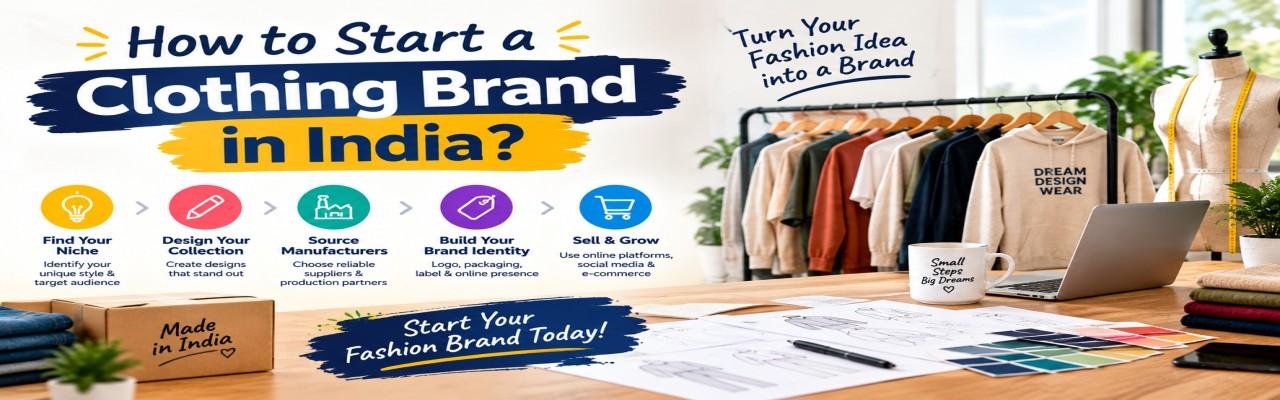
How to Start a Clothing Brand in India: A Complete Guide
Starting your own fashion business can be an exciting opportunity for aspiring entrepreneurs. If you are wondering how to start a clothing brand in India, you need the right business strategy, quality products, a unique brand identity, and effective marketing. India's fashion industry offers opportunities for businesses selling casual wear, ethnic clothing, streetwear, sportswear, and sustainable fashion.
In this guide, you will learn how to start a clothing brand in India step by step and build a strong foundation for long-term growth.
1. Choose Your Clothing Brand Niche
The first step is selecting a niche for your clothing business. Instead of selling every type of clothing, focus on a specific target audience and product category.
Popular clothing niches in India include:
- Men's and women's casual wear
- Ethnic wear and traditional clothing
- Streetwear and oversized T-shirts
- Kids' clothing
- Sustainable and organic clothing
- Premium and luxury fashion
Research your competitors, customer preferences, and market demand before finalizing your niche. A clear niche helps you develop better products and attract the right customers.
2. Create a Business Plan
A business plan is essential when learning how to start a clothing brand in India. It helps you organize your ideas, estimate expenses, and establish realistic business goals.
Your business plan should include your target audience, product range, startup budget, pricing strategy, suppliers, sales channels, and marketing activities.
Decide whether you want to start with a small home-based business, an online clothing store, or a physical retail outlet. Starting with a limited product range can help you test demand before investing more money.
3. Decide Your Clothing Brand Budget
Your initial investment depends on the type of clothing you sell, production quantities, fabric quality, packaging, and marketing.
Common startup expenses include:
- Fabric and garment manufacturing
- Logo and brand design
- Website development
- Packaging and shipping
- Product photography
- Marketing and advertising
- Business registration and compliance
Create a detailed budget and keep some money aside for unexpected expenses. Starting with a small collection and gradually expanding your products can reduce financial risk.
4. Register Your Clothing Business
Business registration is an important part of starting a clothing brand in India. Choose a suitable business structure, such as a sole proprietorship, partnership, LLP, or private limited company, depending on your requirements.
You may also need GST registration depending on applicable rules and your sales model. Check the current requirements before selling through marketplaces or other online channels.
Consider registering your brand name as a trademark to protect your identity. For clothing products, trademark protection generally involves Class 25, which covers clothing, footwear, and headgear.
Keep your invoices, business records, supplier agreements, and other relevant documents organized.
5. Find Reliable Clothing Manufacturers and Suppliers
Product quality plays a major role in building a successful clothing brand. Research fabric suppliers, wholesalers, garment manufacturers, and printing vendors before placing large orders.
You can explore textile and garment markets in cities such as Surat, Tiruppur, Ludhiana, and Delhi, depending on your product category.
Always request samples before confirming bulk production. Check fabric quality, stitching, sizing, color consistency, and finishing.
Discuss minimum order quantities, delivery timelines, customization options, and payment terms with suppliers. Reliable manufacturing partners help you maintain consistent quality as your business grows.
6. Build a Unique Brand Identity
A strong brand identity helps customers recognize and remember your clothing business. Choose a memorable brand name, professional logo, consistent colors, and a clear brand message.
Your branding should reflect your target audience and product positioning. For example, a streetwear brand may use bold designs, while a premium ethnic wear brand may focus on traditional patterns and elegant packaging.
Create original designs or work with qualified designers to develop your collection. Avoid copying copyrighted designs, logos, or another brand's trademarked identity.
7. Set Up Your Online Clothing Store
An online store allows you to reach customers across India without immediately opening a physical shop. You can create your own website or explore suitable e-commerce marketplaces.
Your website should include clear product photographs, detailed descriptions, size charts, prices, shipping information, and return policies.
Make the shopping experience mobile-friendly and provide secure payment options. Optimize product pages using relevant keywords, descriptive headings, image alt text, and fast-loading images.
These steps can improve the user experience and support your search engine optimization strategy.
8. Market Your Clothing Brand
Marketing helps introduce your products to potential customers. Use Instagram, Facebook, Pinterest, and other relevant platforms to showcase new collections, styling ideas, and behind-the-scenes content.
Collaborate with suitable fashion creators, encourage customer reviews, and share authentic product photographs. You can also use Google Ads and social media advertising to reach specific audiences.
For long-term organic growth, publish useful fashion blogs and optimize your website for relevant search terms. Consistent content, quality products, and customer service can help build trust.
9. Price Your Products and Manage Orders
Set prices by calculating manufacturing costs, packaging, shipping, marketing, platform fees, taxes, and other business expenses.
Compare competitor pricing, but avoid setting prices too low just to attract customers. Your pricing should support profitability while delivering value to buyers.
Track inventory, monitor best-selling products, and analyze customer feedback. Use this information to improve your collection and plan future orders.
Conclusion
Learning how to start a clothing brand in India requires planning, market research, quality sourcing, effective branding, and consistent marketing. Begin with a clear niche, create a practical business plan, find reliable suppliers, and build an online presence.
Focus on customer satisfaction, product quality, and sustainable financial growth. With a well-planned strategy and continuous improvement, you can turn your clothing business idea into a recognizable fashion brand in India.

 English
 Arabic
 French
 Spanish
 Portuguese
 Deutsch
 Turkish
 Dutch
Dutch
 Italiano
 Russian
 Portuguese (Brazil)
 Greek
Greek