


How Can ERG Vanadium Redox Flow Energy System Support Solar Power
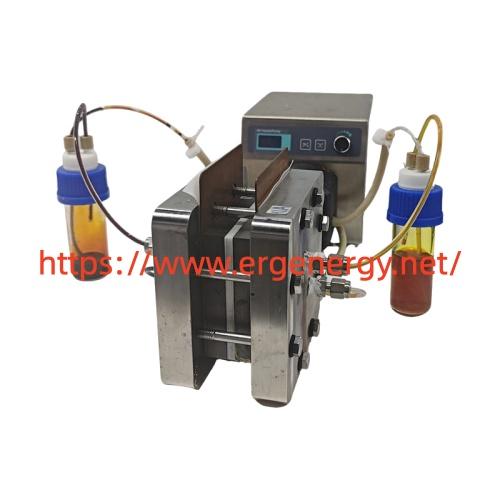
Vanadium Redox Flow Energy System technology offers renewable energy developers a way to manage electricity generated by sources such as solar panels and wind turbines. Because renewable output changes with sunlight, weather, and seasonal conditions, project planners need to consider how energy can be stored and delivered at different times. Flow battery technology can support this process by storing electrical energy in liquid electrolytes and releasing it when required by the application. For manufacturers, project developers, and industrial buyers, understanding the operating principle helps clarify where this technology may fit within an energy strategy.
Solar and wind installations do not always generate electricity when demand is highest. Solar panels may produce surplus power around midday, while household, commercial, or industrial demand can continue into the evening. Wind generation may increase or decrease as weather conditions change. An appropriately designed storage installation can absorb some available electricity during periods of generation and discharge it later, helping project operators coordinate supply with expected demand.
A vanadium redox flow battery stores energy in liquid electrolytes held in external tanks. During charging, electrical energy drives chemical reactions that change the oxidation states of vanadium ions. During discharge, the reactions proceed in the opposite direction and release electrical energy. The electrolyte circulates through an electrochemical cell stack, while the tank volume and electrolyte concentration are associated with the amount of energy that can be stored. The power rating is influenced largely by the cell stack design. This separation can give developers flexibility when planning energy capacity and power output for a specific project.
One practical application is reducing the mismatch between renewable generation and electricity demand. A solar farm may generate more electricity than a facility needs during part of the day. Instead of using all available power immediately or curtailing some generation, a storage system may capture a portion for later use. The actual amount that can be stored depends on system capacity, charging power, operating limits, and the electricity available from the renewable installation.
Flow batteries may also be considered for projects requiring extended discharge periods and repeated daily operation. Their suitability depends on the required storage duration, power rating, site conditions, operating strategy, and project economics. Buyers should compare these requirements with other storage technologies rather than assuming one battery type will suit every installation. A technical assessment can help determine whether the system design aligns with the intended use.
System integration is another important consideration. Renewable generators, inverters, transformers, control platforms, and grid connection equipment must work together within defined operating limits. The energy management system determines when the battery charges or discharges according to generation forecasts, electricity demand, grid requirements, or commercial objectives. Project teams should establish communication protocols and control requirements early to avoid compatibility issues during installation and commissioning.
Site planning can influence the final configuration. Developers need to evaluate available land, access for equipment delivery, tank placement, drainage, environmental conditions, and maintenance access. The electrolyte handling area and supporting equipment should be arranged according to applicable safety requirements and supplier guidance. Because the system includes pumps, pipes, tanks, and an electrochemical stack, the project design should account for both electrical and mechanical components.
Operating costs also deserve attention during project evaluation. Buyers should consider initial equipment costs, installation work, energy conversion losses, auxiliary power consumption, scheduled maintenance, replacement parts, and service arrangements. Project economics depend on factors such as local electricity prices, renewable generation patterns, expected cycling, financing conditions, and the value of electricity delivered at different times. A financial model based on realistic operating assumptions can help developers compare potential configurations.
Maintenance planning should be established before commissioning. Operators may need to monitor electrolyte conditions, pump operation, fluid circulation, electrical connections, temperatures, and control system alerts. Inspection schedules and maintenance procedures should follow the equipment documentation and site requirements. A clear service plan can help staff identify irregular operating conditions and coordinate maintenance without relying solely on unexpected repairs.
For renewable energy developers, choosing a storage solution begins with a detailed understanding of project objectives. Important inputs include generation capacity, expected output patterns, discharge duration, grid requirements, site constraints, and budget. Suppliers can use these details to discuss system configuration, technical documentation, delivery schedules, and installation coordination. Comparing proposals against the same project criteria can help buyers evaluate different options in a consistent way.
ERG works with energy related product requirements for industrial customers and project applications. Developers considering flow battery technology can prepare their generation data, storage targets, site information, and integration requirements before discussing suitable options with a supplier. This preparation helps connect technical planning with procurement decisions and project timelines. To review product information and discuss potential requirements for renewable energy applications, visit https://www.ergenergy.net/product/ and contact ERG about solutions relevant to your project.

 English
 Arabic
 French
 Spanish
 Portuguese
 Turkish
 Dutch
Dutch
 Italiano
 Russian
 Romaian
 Portuguese (Brazil)
 Greek
Greek