


Carcinoembryonic Antigen Blood Test: How to Prepare Before Testing
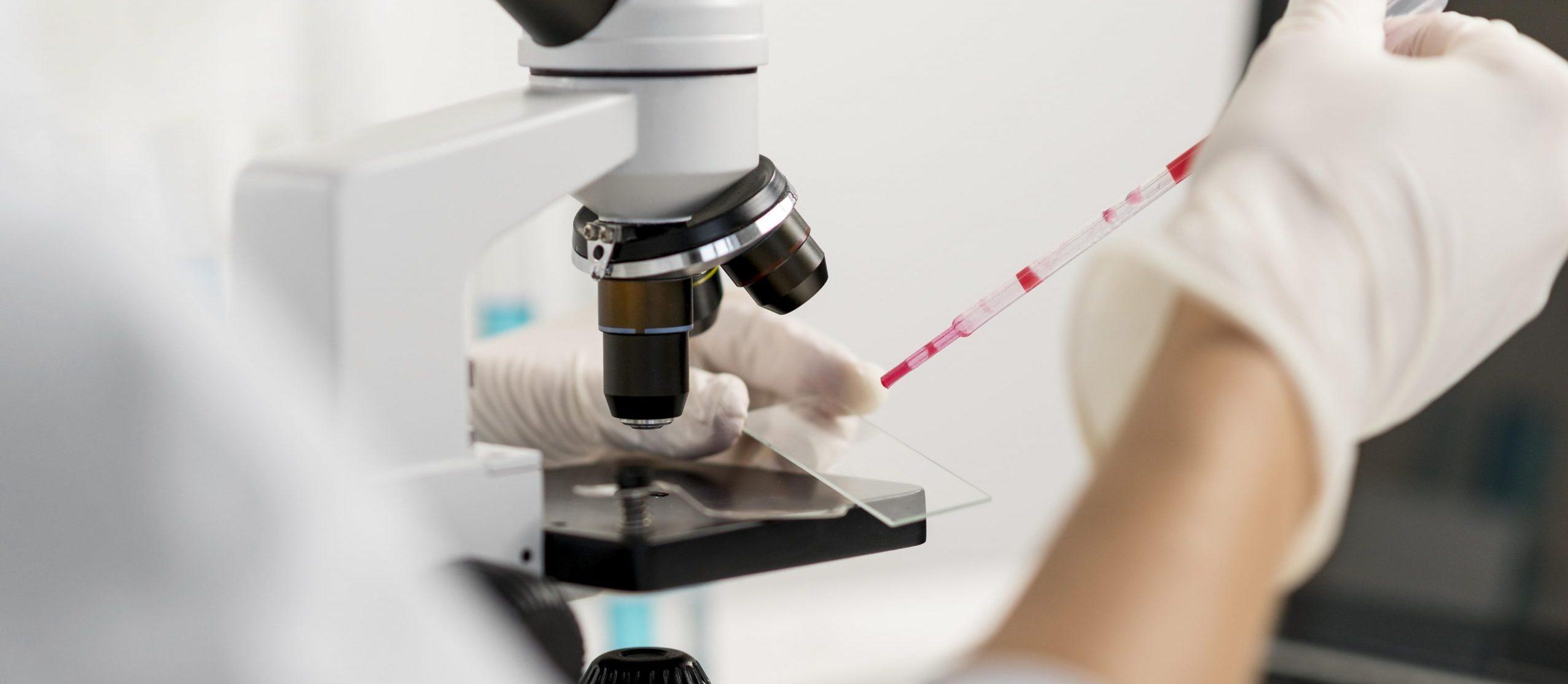
Preparing for a Carcinoembryonic Antigen (CEA) blood test is usually straightforward, but knowing what to expect can help you feel more confident and avoid unnecessary confusion. Whether your healthcare provider has ordered the test to monitor colorectal cancer, evaluate treatment response, or follow up on a previous diagnosis, understanding the preparation process is an important part of your testing experience.
A Carcinoembryonic Antigen Blood Test in Dubai measures the amount of carcinoembryonic antigen in your bloodstream. This protein can be elevated in certain cancers, particularly colorectal cancer, but it may also increase because of noncancerous conditions and lifestyle factors such as smoking. Doctors therefore interpret CEA results alongside medical history, symptoms, imaging studies, and other laboratory findings.
The good news is that most people do not need special preparation or fasting before a CEA blood test. However, a few practical steps can help ensure that your healthcare team has the information needed to interpret your results accurately.
Before Your CEA Blood Test: What Should You Know?
The first step in preparing for a CEA blood test is understanding why it has been ordered. Your reason for testing may influence the instructions you receive and how your results will be evaluated.
Healthcare professionals commonly use CEA testing to:
-
Monitor certain cancers, especially colorectal cancer.
-
Assess changes in CEA levels during cancer treatment.
-
Help evaluate the possibility of cancer recurrence in appropriate follow-up settings.
-
Track tumor marker levels over time as part of a broader care plan.
CEA testing is not generally recommended as a stand-alone cancer screening test or as the sole method of diagnosing cancer. Elevated levels can occur for reasons unrelated to cancer, while some cancers do not produce enough CEA to raise blood levels.
If this is your first test, ask your healthcare provider what the result may help clarify. If you are having repeat testing, understanding how your new result will be compared with previous measurements can also be helpful.
Do You Need to Fast Before a CEA Blood Test?
In most cases, fasting is not required for a CEA blood test alone. You can generally eat and drink as usual unless your healthcare provider or laboratory gives you different instructions.
Fasting requirements may apply if the CEA test is being performed alongside other blood tests, such as certain glucose or lipid tests. For this reason, it is important to confirm the instructions for your complete laboratory order rather than assuming that every blood test has the same preparation requirements.
If you are unsure whether you can eat breakfast, drink coffee, or take your usual morning medication, contact the laboratory or the clinician who ordered the test.
Do not deliberately skip meals or restrict fluids without a medical reason. Following the instructions provided for your specific appointment is the best way to prepare.
Five Practical Steps to Take Before Your Appointment:
A little planning can make the testing process smoother. These five steps can help you prepare for your CEA blood test without unnecessary stress.
1. Tell Your Healthcare Provider About Smoking
Smoking is an important factor in CEA test interpretation because it can increase baseline CEA levels. Some laboratories use different reference limits for smokers and nonsmokers.
Tell your healthcare professional whether you currently smoke or have a relevant smoking history. This information can help them interpret a mildly elevated CEA result more accurately.
Do not conceal smoking history because you are worried about your test results. Accurate information helps your clinician make better decisions.
If you are considering quitting smoking, discuss appropriate support with your healthcare provider. Do not assume that temporarily avoiding cigarettes immediately before testing will remove the effect of smoking on CEA levels.
2. Provide an Updated Medical History
Certain health conditions can influence CEA levels. These include liver disease, pancreatitis, inflammatory bowel disease, and some respiratory conditions.
Before your appointment, make a note of any diagnosed conditions, recent illnesses, or ongoing symptoms that may be relevant. Inform your healthcare professional about these details, especially if something has changed since your previous CEA test.
This information does not necessarily mean your result will be abnormal. Instead, it gives your clinician a more complete picture when interpreting the laboratory report.
3. Review Your Medications and Supplements
Most people do not need to stop their usual medications before a CEA blood test. However, you should tell your healthcare provider about prescription medicines, over-the-counter products, vitamins, and supplements you take.
Do not stop prescribed medication or make changes to your treatment schedule unless your clinician specifically advises you to do so.
If several blood tests have been ordered together, ask whether any of your medications affect the preparation requirements for those additional tests.
4. Bring Previous CEA Test Results
If you have had a CEA blood test before, previous reports can be valuable. Doctors often look at changes over time rather than relying on a single measurement.
For example, a CEA level that remains stable may have a different significance from one that rises consistently across multiple tests. In people being monitored after colorectal cancer treatment, changes in the tumor marker may help determine whether additional assessment is needed.
If possible, bring previous reports or confirm that your healthcare team can access them. Using the same laboratory for repeat testing when practical may also make comparisons easier because laboratory methods and reference ranges can differ.
5. Confirm the Laboratory's Instructions
Before leaving home, verify your appointment time, laboratory location, and any instructions supplied with your test order.
Ask whether fasting is necessary because of other tests being performed at the same visit. Confirm whether you need to bring identification, laboratory paperwork, or previous results.
If you have concerns about blood draws, tell the person collecting your sample. They may be able to help you sit comfortably and reduce anxiety during the procedure.
What Happens During a CEA Blood Test?
Understanding the procedure can make your appointment feel less intimidating.
A CEA blood test is a routine blood draw. A trained healthcare professional typically follows these steps:
-
They may ask you to confirm your identity and relevant information.
-
They clean the skin, usually on the inside of your arm.
-
They insert a small needle into a vein and collect blood into a sample tube.
-
They remove the needle, apply pressure, and place a small dressing over the site.
-
The sample is sent to a laboratory for analysis.
The blood collection itself usually takes only a few minutes. You may feel a brief pinch when the needle enters the vein. Mild soreness or bruising can occur afterward, but significant complications are uncommon.
Drink fluids as you normally would unless you have been instructed otherwise or have a medical condition requiring fluid restrictions. Being normally hydrated can make it easier for the healthcare professional to collect your blood sample.
Can Food, Stress, or Exercise Affect CEA Results?
Patients often wonder whether their daily routine can change the outcome of a CEA blood test.
Food and Drink
Fasting is not usually necessary for CEA testing alone. Follow any specific instructions given by your laboratory, particularly when several blood tests are scheduled together.
Stress and Anxiety
Feeling nervous before a blood draw is common. Ordinary appointment-related anxiety is not generally a reason to postpone CEA testing. If you feel faint or anxious during blood collection, inform the healthcare professional so they can help you remain comfortable.
Physical Activity
There is generally no special exercise restriction for a routine CEA blood test. However, follow any additional preparation instructions associated with other tests or your individual medical circumstances.
Smoking and Health Conditions
Smoking and certain benign medical conditions are more established considerations when interpreting CEA levels. Be sure to provide accurate information about these factors rather than attempting to manipulate the result through last-minute lifestyle changes.
How Long Does It Take to Receive CEA Blood Test Results?
The time required to receive a CEA test result varies by laboratory. Results may be available within a few days, although some facilities take longer depending on sample processing and testing arrangements.
Your report usually lists the measured CEA level, the unit of measurement, and the laboratory's reference range. CEA is commonly reported in nanograms per milliliter (ng/mL).
Many laboratories use an upper reference limit of approximately 3 ng/mL for nonsmokers and approximately 5 ng/mL for smokers, but these values are not universal. Always use the reference range on your own report.
An elevated result does not automatically indicate cancer, and a normal result cannot completely rule it out. Your clinician will interpret the measurement alongside your diagnosis, symptoms, medical history, and previous results.
If you are waiting for results, ask the healthcare professional who ordered the test how and when the report will be shared with you. Avoid drawing conclusions from a single number before it has been interpreted in context.
What Should You Do After the Test?
Most people can return to their usual activities immediately after a CEA blood draw. If you experience mild tenderness or bruising, keeping the area clean and following the collection staff's instructions is usually sufficient.
Once your results are available, discuss them with your healthcare provider. Useful questions include:
-
Is my CEA result within this laboratory's reference range?
-
How does it compare with my previous results?
-
Could smoking or another medical condition affect the measurement?
-
Do I need repeat testing or additional investigations?
-
How does this result fit into my current treatment or follow-up plan?
These questions can help you understand the purpose of the test and the next steps, if any, that may be appropriate.
Do not change cancer treatment or delay recommended screening or diagnostic procedures based solely on a CEA result.
Frequently Asked Questions About CEA Test Preparation:
Can I drink water before a CEA blood test?
Yes. Water is generally permitted before a CEA blood test, and ordinary hydration may make blood collection easier. Follow any specific instructions from your healthcare provider, particularly if other tests are being performed.
Should I stop taking medication before CEA testing?
Usually, no. Do not stop prescribed medication unless your healthcare provider specifically instructs you to do so. Tell the clinician about all medicines and supplements you take.
Do I need to avoid smoking before the test?
Follow your healthcare provider's instructions and report your smoking status accurately. Smoking can affect baseline CEA levels, and briefly avoiding cigarettes before the appointment may not eliminate that effect.
Is the CEA blood test painful?
Most people experience only a brief pinch during blood collection. Mild bruising or tenderness may occur afterward, but serious complications are uncommon.
Can I prepare for the test at home?
Yes. You can review your laboratory instructions, gather previous results, prepare your medical history, and confirm whether other tests require fasting. In most cases, no special preparation is needed for CEA testing alone.
Final Thoughts:
Preparing for a Carcinoembryonic Antigen blood Lab tests is usually simple. Most people do not need to fast or make major changes to their routine, but confirming laboratory instructions is essential when additional tests are scheduled.
The most helpful preparation involves sharing accurate information about smoking, medical conditions, medications, and previous CEA results. These details help healthcare professionals interpret the tumor marker more meaningfully, especially when monitoring colorectal cancer or assessing treatment response.
Remember that CEA is only one part of a broader medical assessment. Neither a high nor a normal result provides a complete diagnosis on its own. If you have questions about preparation, reference ranges, or the meaning of your results, speak with your healthcare provider for advice tailored to your situation.
Medical disclaimer: This article is for educational purposes only and does not replace professional medical advice, diagnosis, or treatment. Always follow the instructions provided by your healthcare professional or laboratory before testing.

 English
 Arabic
 French
 Spanish
 Portuguese
 Deutsch
 Turkish
 Dutch
Dutch
 Italiano
 Russian
 Portuguese (Brazil)
 Greek
Greek