


How Can Premium Skylight Installation Improve Natural Light and Roof Performance in Summerlin, NV?
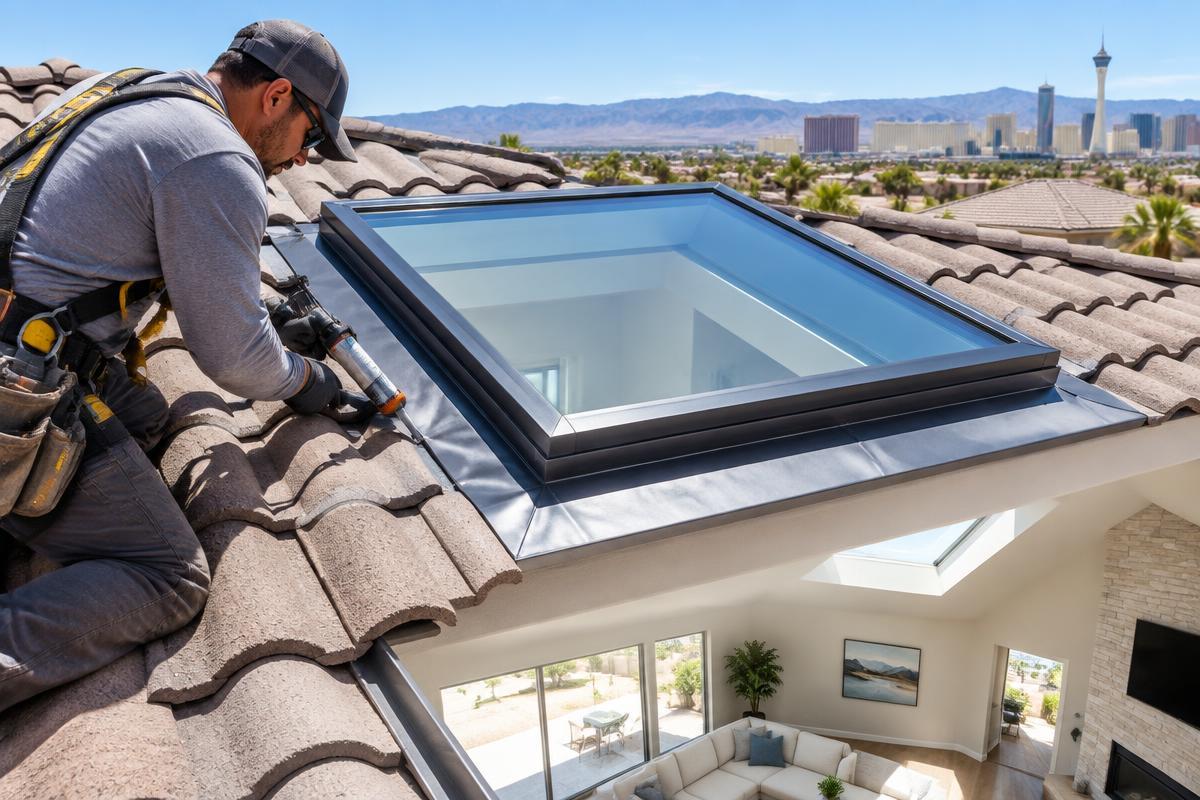
Natural light can transform the way a home feels, making interior spaces appear brighter, more open, and more inviting. In rooms where traditional windows provide limited daylight, a skylight can introduce sunlight from above while creating a stronger connection between the indoor environment and the outdoors. However, achieving these benefits requires careful planning, suitable materials, and proper integration with the existing roofing system.
For homeowners in Summerlin, Nevada, skylight installation involves more than choosing an attractive glass feature. The region's intense sunshine, summer heat, and occasional heavy rain make product selection and installation quality important considerations. A well-planned skylight should complement the home's architecture, manage solar exposure, and maintain a dependable barrier against the elements.
Understanding the installation process, available skylight designs, and long-term performance considerations can help homeowners make informed decisions before beginning an upgrade.
Why Does Skylight Placement Matter in Desert Homes?
The position of a skylight affects how much daylight enters a room, when sunlight reaches the interior, and how much additional heat the glazing may introduce. A poorly positioned unit can create excessive glare or make an already warm room less comfortable during summer afternoons.
Orientation is an important starting point. North-facing skylights generally provide more consistent, indirect daylight, while south- and west-facing installations can receive stronger direct sunlight depending on the season and surrounding structures. East-facing skylights may introduce more morning light, which can be useful in kitchens, breakfast areas, and other spaces used early in the day.
The roof's shape, pitch, and structural layout also influence placement. Rafters, roof trusses, ventilation pathways, and existing mechanical equipment may limit the available installation area. Before cutting an opening, the installer should assess the roof structure and identify a suitable location that balances daylight, appearance, and technical requirements.
Room function matters just as much. A skylight above a central hallway may distribute daylight without creating substantial glare, while a larger installation above a living room can become a defining architectural feature. Bedrooms may benefit from carefully controlled light levels, particularly when occupants prefer a darker sleeping environment.
Thoughtful placement helps ensure that the skylight serves a practical purpose rather than becoming an expensive feature that introduces unwanted heat or brightness.
Which Skylight Design Best Suits Your Home?
Skylights are available in several configurations, each designed to address different architectural and functional needs. Selecting the right style depends on roof access, ventilation requirements, ceiling construction, and the amount of daylight desired.
Fixed Skylights for Consistent Daylight
Fixed skylights do not open. Their primary purpose is to bring natural light into interior spaces, making them suitable for hallways, stairwells, vaulted ceilings, and rooms where additional ventilation is unnecessary.
Because they have fewer moving components than operable models, fixed units may offer a straightforward design. Nevertheless, the quality of the glazing, frame, flashing, and surrounding roof installation remains essential to long-term performance.
Ventilating Skylights for Air Circulation
Ventilating skylights can open manually or through a powered mechanism. They may help release warm air that collects near the ceiling, particularly when paired with suitable windows or other ventilation openings.
In Summerlin, opening a skylight during hot weather will not always improve comfort. When outdoor temperatures exceed indoor temperatures, bringing outside air inside may increase the cooling load. Homeowners should consider local weather conditions, security, rain sensors, and operating controls before choosing this design.
Tubular Skylights for Compact Spaces
Tubular skylights capture daylight through a roof-mounted dome or collector and direct it through a reflective tube into the interior. They can be useful in smaller spaces where a conventional skylight would require a larger opening.
Bathrooms, closets, corridors, and utility rooms may benefit from this approach. The tube's length, bends, and available roof exposure influence how much light reaches the room, so a professional assessment helps establish realistic expectations.
What Should Homeowners Know About Energy-Efficient Skylight Glazing?
Glazing affects a skylight's ability to transmit daylight while limiting unwanted heat transfer and excessive solar gain. Since Summerlin experiences substantial sunshine and high summer temperatures, these properties deserve careful attention.
Low-emissivity, or low-E, coatings can help manage heat transfer through the glass. Depending on the product, double glazing and insulated frames can also improve thermal performance. Homeowners should compare the skylight's published energy characteristics rather than relying solely on descriptions such as energy-efficient or premium.
Two measurements are particularly useful:
-
Solar heat gain coefficient (SHGC): Indicates how much solar heat enters through the glazing. A lower value generally means less solar heat gain.
-
U-factor: Measures the rate of heat transfer through the assembly. A lower value indicates better insulation performance.
Visible light transmittance is another consideration because it describes how much visible daylight passes through the glazing. Reducing solar heat gain while preserving useful daylight can help achieve a balanced result.
The best combination depends on the skylight's orientation, room function, ceiling construction, and existing cooling system. A specification that works well for a shaded north-facing roof may not be ideal for a roof exposed to strong afternoon sunlight.
Homeowners considering precision skylight installation in Summerlin, NV should evaluate glazing and installation details together. Even high-performance glass cannot compensate for an inadequately sealed opening, poorly installed flashing, or gaps in the surrounding insulation.
How Does Professional Installation Protect the Roofing System?
A skylight creates an opening in a roof that was originally designed to keep water outside. Proper installation must restore that protective function while accommodating the skylight's frame, glazing, and connection to the surrounding roofing materials.
The process typically begins with an inspection of the roof's condition, slope, framing, and proposed installation location. The installer determines whether structural modifications are necessary and whether the selected unit is appropriate for the roof configuration.
After the opening is prepared, the skylight is positioned according to the manufacturer's specifications. Flashing is then integrated with the roofing materials to direct water away from vulnerable joints. The precise flashing method depends on the roof covering, pitch, and skylight design.
Underlayment and water-management details also matter. These components help provide secondary protection against moisture that gets beneath the exterior roofing surface. Improper layering, unsuitable materials, or shortcuts around corners and edges can increase the likelihood of leaks.
Interior finishing completes the project. Depending on the design, this may involve constructing a light shaft, installing insulation, fitting drywall, and finishing the surrounding surfaces. Careful detailing helps create a clean transition between the skylight and the ceiling while reducing the risk of condensation-related problems.
Before accepting the work, homeowners should ask about the installation method, applicable manufacturer instructions, workmanship coverage, and any necessary permits. Requirements vary according to the scope of work and local rules, so these details should be confirmed before construction begins.
Can Skylights Cause Leaks, Condensation, or Excessive Heat?
Skylights can perform well for many years, but problems may develop when the unit is poorly selected, incorrectly installed, or inadequately maintained.
Water intrusion is one of the most important concerns. A stain around the ceiling opening, peeling paint, damp drywall, or moisture appearing after rain may indicate a leak. However, water can travel along roof components before becoming visible indoors, meaning the location of a ceiling stain does not always identify the original entry point.
Condensation can produce similar symptoms. When warm, moist indoor air contacts a cold surface, moisture may collect on the glazing or surrounding frame. In some cases, inadequate insulation or air sealing around the light shaft contributes to the problem.
Excessive heat and glare are separate concerns that often result from unsuitable placement, insufficient solar control, or inadequate shading. Interior blinds, compatible shades, and properly selected glazing can help manage brightness and solar exposure.
Homeowners should avoid assuming that every skylight leak requires complete replacement. The cause may involve damaged flashing, deteriorated roofing materials, blocked drainage pathways, or a problem with the skylight itself. A qualified inspection can help determine the appropriate repair.
Likewise, recurring condensation should be investigated rather than repeatedly wiped away without addressing the underlying conditions.
When Is It Time to Upgrade an Existing Skylight?
An older skylight may continue functioning while offering fewer benefits than a modern replacement. Homeowners should evaluate both its physical condition and its performance in everyday use.
Several warning signs deserve attention:
-
Cracked glazing or visible damage to the frame.
-
Persistent moisture around the opening after rain.
-
Drafts or noticeable temperature differences near the skylight.
-
Difficulty opening or closing a ventilating model.
-
Deteriorated seals, flashing, or surrounding roofing materials.
-
Glare or solar heat gain that makes the room uncomfortable.
Age alone does not necessarily mean a skylight must be replaced. A relatively sound unit may benefit from a repair, while extensive deterioration or recurring failures may justify a more comprehensive upgrade.
The condition of the surrounding roof is especially important. Installing a new skylight without addressing damaged shingles, underlayment, or structural concerns can leave the homeowner with continuing maintenance problems.
A replacement also provides an opportunity to reassess the opening's size, glazing performance, ventilation features, and interior light distribution. Any change in dimensions or placement may require additional structural and finishing work, so the scope should be established before selecting the product.
How Can Homeowners Maintain Skylight Performance?
Routine observation and timely maintenance can help preserve a skylight's appearance and function. Homeowners should periodically inspect the visible interior surfaces for staining, condensation, loose trim, or changes in the surrounding ceiling finish.
The exterior should also be checked when conditions allow safe access. Signs of damaged flashing, deteriorated roofing materials, or debris collecting around the skylight may indicate that professional attention is needed. Walking on a roof without suitable equipment and experience can be dangerous, so exterior inspections are best left to qualified professionals when access is difficult.
Cleaning should follow the manufacturer's recommendations. Abrasive materials and unsuitable chemicals can damage glazing coatings or finishes. Ventilating models may also require attention to hinges, operating mechanisms, insect screens, and sensors, depending on their design.
After significant weather events, homeowners can check accessible interior areas for new signs of moisture. Early investigation may prevent a minor issue from developing into more extensive damage to insulation, drywall, or nearby roofing components.
Maintenance should also account for the surrounding roof's overall condition. A skylight is part of a larger weatherproofing system, and its performance depends on the materials and drainage details around it.
What Is the Best Way to Plan a Skylight Project in Summerlin?
A successful skylight project begins with a clear understanding of the desired outcome. Some homeowners want to brighten a dark hallway, while others prioritize ventilation, improved interior appearance, or reduced reliance on artificial lighting during daylight hours.
Start by identifying the room's main problem and the amount of daylight needed. Then evaluate roof orientation, structural constraints, glazing performance, and the condition of the existing roofing system. Request a written scope of work that explains the proposed product, flashing approach, interior finishing, expected project requirements, and applicable warranty terms.
It is also helpful to discuss how the skylight will perform during Summerlin's hottest months. Product selection should account for solar exposure and the home's cooling needs rather than focusing on appearance alone.
Ultimately, premium skylight installation is about combining attractive design with dependable roof protection and suitable thermal performance. With careful planning, appropriate materials, and installation that respects the roofing system, homeowners can introduce natural light while maintaining comfort and protecting their property over the long term.
More details are available at: Local Business Directory

 English
 Arabic
 French
 Spanish
 Portuguese
 Deutsch
 Turkish
 Dutch
Dutch
 Italiano
 Russian
 Portuguese (Brazil)
 Greek
Greek