


How Can Abrain Waterproof Fingerprint Lock Meet Different Security Needs
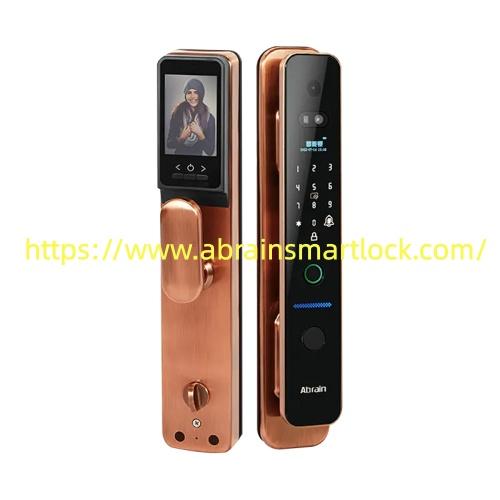
Waterproof Fingerprint Lock selection involves several practical considerations for importers, distributors, contractors, and property managers. Buyers need to assess environmental conditions, identification functions, installation compatibility, and maintenance requirements before choosing a suitable product. Understanding these factors helps purchasing teams compare available configurations, clarify technical expectations, and identify products that fit their intended applications.
Outdoor access points can face changing weather conditions throughout the year. Garden gates, entrance doors, storage facilities, and commercial buildings may experience rainfall, humidity, dust, and temperature fluctuations. Buyers should identify the expected installation environment before requesting product recommendations. A sheltered entrance may require different protection from an exposed gate that regularly encounters rain and direct sunlight.
The stated ingress protection rating deserves particular attention. This rating indicates how an enclosure performs against solid particles and water under specified testing conditions. Buyers should request relevant technical documentation and confirm whether the tested conditions match their intended application. General descriptions of weather resistance should not replace verified specifications when evaluating equipment for outdoor installations.
Fingerprint recognition is another important factor. Buyers should consider registration procedures, identification speed, user capacity, and access management functions. Sensor performance can vary depending on finger placement, moisture, dirt, and individual skin conditions. Requesting a product demonstration or testing a sample can help purchasing teams evaluate whether the recognition process meets their operational requirements.
Different projects may also benefit from alternative entry methods. Depending on the selected configuration, electronic locking products may support PIN codes, access cards, mechanical keys, or mobile applications. These options can provide additional flexibility when fingerprint identification is temporarily unavailable. Buyers should confirm which functions are included in the quoted model and whether optional features require separate components or software.
Material selection and construction influence maintenance needs and product suitability. Purchasers should ask about housing materials, surface finishes, sealing structures, mounting components, and the protection of exposed connections. These details help buyers understand how a product is designed for its intended environment. They can also support comparisons between models with different specifications and price points.
Power arrangements should be checked before ordering. Some models use replaceable batteries, while others may offer rechargeable power options or additional emergency power provisions. Buyers should confirm battery specifications, low power alerts, replacement procedures, and expected operating life under stated usage conditions. Frequent access, temperature changes, and enabled functions may affect actual battery performance, so estimates should be considered alongside the manufacturer's testing information.
Installation compatibility is equally important. Door thickness, mounting dimensions, opening direction, locking mechanism design, and available installation space can influence whether a product fits a particular project. For replacement installations, buyers should compare product dimensions with existing openings and hardware. For new construction, they should confirm preparation requirements with the installer before finalizing the order.
Technical documentation can simplify installation and after sales service. Buyers may request installation instructions, troubleshooting guidance, maintenance recommendations, and wiring information where applicable. For projects involving multiple properties, clear documentation can help contractors coordinate installation procedures and reduce avoidable delays. Purchasers should also confirm applicable compliance requirements for the destination market and request relevant supporting documents before shipment.
Supplier evaluation requires attention to manufacturing and commercial arrangements as well. Importers and distributors should discuss minimum order quantities, production schedules, packaging specifications, customization options, spare parts, warranty terms, and quality inspection procedures. Businesses considering private labeling should clarify logo placement, packaging artwork, product labeling, and any additional costs before approving production.
Ordering a sample can provide useful insight into product construction, user experience, and installation requirements before a larger commitment. Buyers should establish clear acceptance criteria and confirm that the production order will follow the agreed specifications. Consistent communication between the manufacturer and purchaser helps align product configuration, delivery arrangements, and project expectations.
Choosing suitable biometric access equipment starts with a clear understanding of where it will be installed and how it will be used. By reviewing environmental protection, identification functions, materials, power arrangements, installation dimensions, and supplier capabilities, buyers can make informed sourcing decisions. Businesses seeking electronic access solutions can review available products from Abrain and discuss their project requirements by visiting https://www.abrainsmartlock.com/product/ to evaluate configurations for their intended applications.

 English
 French
 Spanish
 Portuguese
 Deutsch
 Turkish
 Dutch
Dutch
 Italiano
 Russian
 Romaian
 Portuguese (Brazil)
 Greek
Greek