


How Rockv GB Standard Cast Steel Gate Valve Material Choices Align With Media
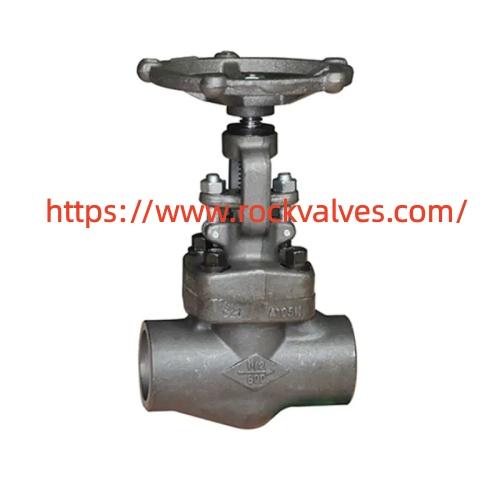
GB Standard Cast Steel Gate Valve material selection begins with matching the body and internal components to the actual service conditions of pressure temperature and fluid type. Carbon alloy grades commonly serve general applications involving water steam and non corrosive hydrocarbons within moderate temperature bands. These grades deliver adequate tensile strength and dimensional stability for isolation duties in pipelines and process units.
Low temperature grades receive additional impact testing to confirm toughness when ambient or process temperatures drop below ambient levels. Facilities handling refrigerated media or outdoor installations in cold climates often specify these grades to reduce the risk of brittle behavior during operation or pressure testing.
High temperature alloy grades incorporate chromium and molybdenum additions that maintain strength when process temperatures rise into elevated ranges. Steam lines and heated oil services benefit from these compositions because they resist softening and deformation under sustained heat.
Stainless grades enter consideration when the process fluid contains corrosive elements such as acids chlorides or other aggressive chemicals. The higher chromium and nickel content improves resistance to general and localized attack while still providing the mechanical properties needed for pressure containment.
Trim materials follow a parallel logic. Seating surfaces and stems often receive hard facing or corrosion resistant overlays so that the sealing interfaces remain functional across the full range of cycle counts and media conditions. Matching trim chemistry to body chemistry avoids galvanic effects and supports long term sealing integrity.
Documentation plays a practical role in grade confirmation. Material test reports list chemical composition mechanical properties and heat treatment details for each heat lot. Buyers review these records against the project specification to verify that the supplied items meet the required grade limits.
Rockv manufactures isolation components in a range of carbon low temperature alloy and stainless compositions so that operators can select grades aligned with their process data. Each batch undergoes chemical and mechanical verification before release.
Application examples illustrate the practical outcome of correct grade choice. Water distribution and low pressure steam systems typically use carbon grades. Hydrocarbon transfer lines at elevated temperatures may require alloy grades. Chemical process units handling acidic media shift toward stainless compositions. In each case the selected grade supports safe isolation while matching the expected service life of the surrounding piping.
By reviewing fluid properties temperature extremes pressure ratings and corrosion potential operators can identify the grade that aligns with both performance needs and code requirements. Product configuration options and material data appear at https://www.rockvalves.com/product/ where grade tables and dimensional details can be checked against current system parameters.

 English
 Arabic
 French
 Spanish
 Portuguese
 Turkish
 Dutch
Dutch
 Italiano
 Russian
 Romaian
 Portuguese (Brazil)
 Greek
Greek