


On the Importance of Keeping Your Bike Tires Inflated Properly
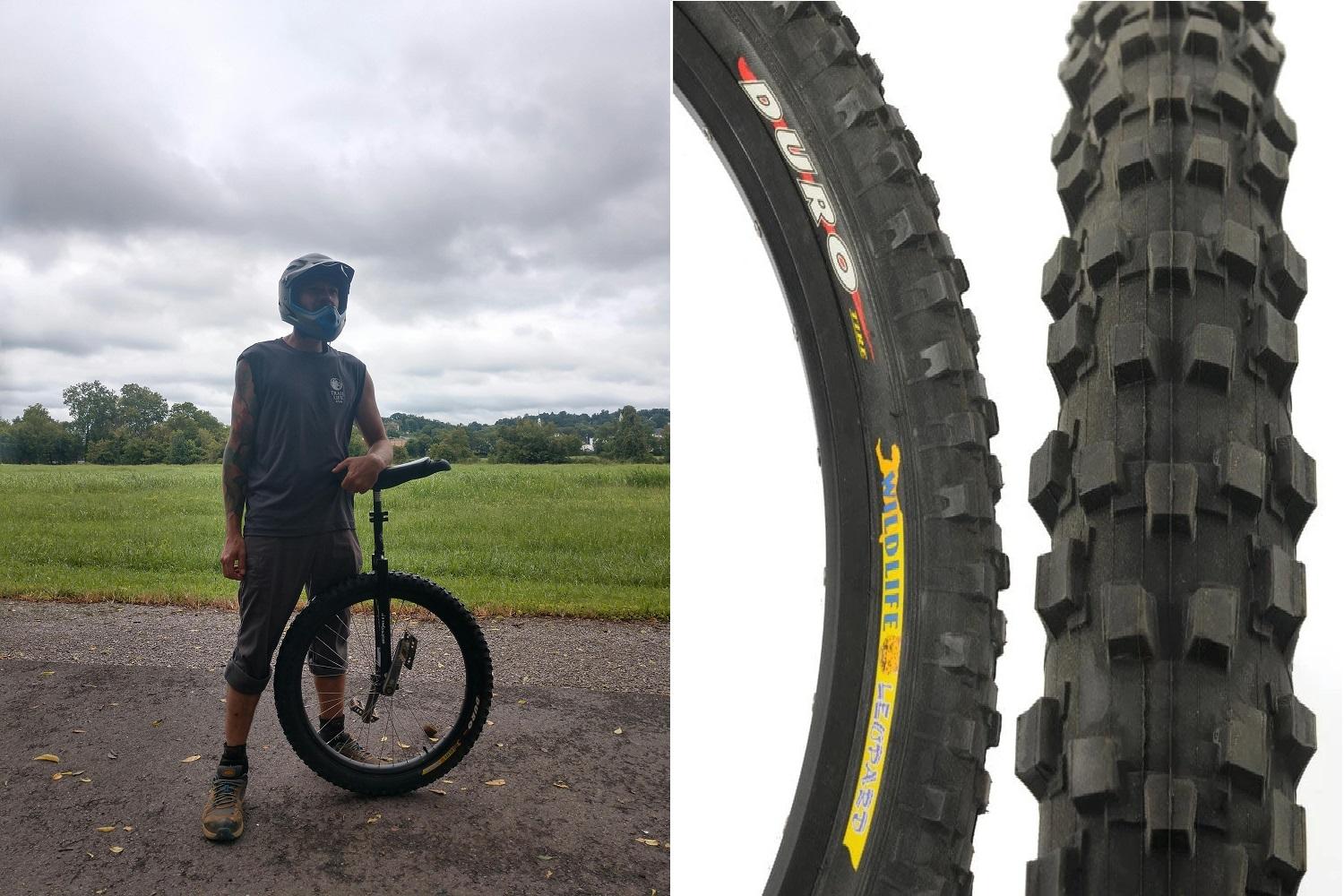
Bike tire width is one thing; thinner tires generally create less resistance with the surface on which you’re riding and so are preferred for riding on the street as well as for racing, whereas wider tires provide a wider surface contact patch, making them ideal for riding on snow, sand, mud and other soft surfaces.
But all of that is for naught if you don’t keep your bike tires properly inflated. Here’s what you should know.
If the Pressure Is Too High or Too Low
First, let’s take a look at what happens if you ride with bike tire pressure that is too low.
Even if you don’t have any other problems, if the tire pressure is too low, it will create a lot of rolling resistance because the tire will lack the rigidity to support the wheel, and thereby the bike and you.
You’ll be fighting each revolution of the pedals to overcome the excessive “softness” (for lack of a better term) of the tire. While a slightly lower tire pressure generally performs better on softer surfaces, still, too low and it won’t handle well.
The other thing is that if your bike tire pressure is too low, you can get a pinch flat, which occurs when the tire’s inner tube is caught between the rim and the ground, gets crushed, and tears. When that happens you need to replace the inner tube and you’re more or less dead in the water until you do.
As far as riding with tires that are overinflated, that is a separate but equal issue. If the tire pressure is too high, the tread cannot spread properly over the surface to create an ideal contact patch, and the tire will not provide the desired level of traction, regardless of what you’re riding on.
In a similar vein, if the pressure is too high and you’re riding on a soft surface, the tire can “knife” into the ground, which will also compromise your control.
Also, if you ride with bike tires that are overinflated, you increase the risk of a blowout, which, like a pinch flat, will create issues that need to be repaired.
Here are some other high-level notes. If your tires are properly inflated, you will expend less energy pedaling, and the tire tread will last longer, too.
The recommended pressure rating for your bike tires should be stamped on the sidewall, but as a general rule, road bike tire pressure should be maintained at between 80 to 120 PSI, mountain bikes between 25 to 50 PSI, and fat bikes between 5 and 30 PSI. Always defer to the manufacturer recommendations, however.
Where to Get New Bike Tires
If you landed here because you need new bike tires, visit Unicycle.com. They carry a variety of unicycle and bike tires in different sizes and widths. Check out their website and get in touch with them if you have any questions about tire size, width, tire pressure, or anything else before you buy.
For More Information About Knee Elbow and Wrist Pads and Bicycle with big front wheel Please Visit: Unicycle.com.

 English
 Arabic
 French
 Portuguese
 Deutsch
 Turkish
 Dutch
 Italiano
 Russian
 Romaian
 Portuguese (Brazil)
 Greek