


How to Evaluate Fire-Resistant Fabrics for Different Applications
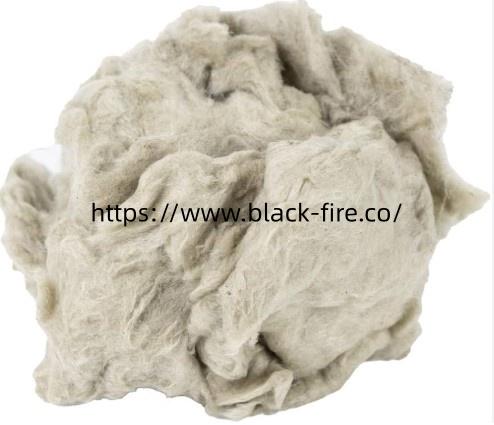
Businesses sourcing specialized textiles need to balance material performance with practical requirements such as processing, maintenance, and product compatibility. When reviewing Fire-Retardant Fabric For Sale, buyers should examine how the textile is constructed, which hazards it is intended to address, and whether supporting documentation matches the proposed application. A clear evaluation process helps procurement teams distinguish between general product descriptions and information that can support an informed purchasing decision.
Fiber composition is one of the first details to investigate. Some protective textiles use fibers designed to resist heat, while others combine different materials to achieve a particular balance of strength, flexibility, and handling characteristics. Carbonlene and aramid-based materials are examples of specialized options used in protective textile development. Their suitability depends on the finished construction and the conditions in which the material will be used, not simply on the name of the fiber.
Fabric structure can influence how the material behaves during production and use. Woven textiles may offer a stable structure for products requiring a defined surface, while knitted constructions can provide different flexibility and stretch characteristics. Composite fabrics may combine a textile base with another layer to introduce additional functional properties. Buyers should consider how the construction affects cutting, sewing, joining, folding, and integration into the final product.
The purchasing process should begin with the intended application. Materials used in protective clothing may have different requirements from those used in industrial curtains, equipment covers, or fire blankets. Buyers should describe the relevant hazards, environmental conditions, contact with other substances, and expected maintenance practices. This information gives manufacturers a clearer basis for recommending suitable options and helps prevent a product from being selected solely because its description sounds appropriate.
Technical documentation is essential when comparing suppliers. Terms such as fire-resistant, flame-retardant, and non-combustible do not necessarily describe identical material behavior. Buyers should confirm the meaning of each claim and request relevant test reports for the specific product under consideration. Where a project must comply with regulations or industry standards, the evaluation should establish whether the documented performance applies to the intended use and complete product design.
Manufacturing consistency also deserves attention. Fiber preparation, yarn formation, weaving or knitting, finishing, and inspection can each affect the properties of the finished textile. A supplier should be able to explain how incoming materials are checked and how production quality is monitored. Buyers may also ask how changes in raw materials or processing are recorded, especially when repeat orders need to maintain a consistent appearance and performance profile.
Functional performance should be assessed as a group of relevant characteristics rather than a single headline claim. Depending on the application, buyers may need to consider flame behavior, resistance to tearing, abrasion, flexibility, and compatibility with other materials. A coating or surface treatment can alter the characteristics of the underlying fabric, so both components may need to be evaluated together. Appropriate testing helps clarify the material's strengths and limitations.
The user experience begins long before a protective product reaches its end user. Fabric stiffness, texture, flexibility, and surface feel can influence how comfortably a garment moves with the body or how easily a blanket can be folded and deployed. Materials used in industrial equipment may instead need to retain their shape during repeated handling. Discussing these practical requirements with the manufacturer can help align textile selection with the product's actual function.
Care and maintenance should form part of the buying decision. Repeated washing, cleaning agents, moisture, friction, and storage conditions may affect different textile constructions in different ways. Buyers should ask for suitable care instructions and clarify whether maintenance can influence the material's verified performance. For treated fabrics, it is particularly important to understand whether the protective effect depends on the condition of the finish and whether reapplication or specific cleaning practices are required.
Design and appearance provide further opportunities to match a textile to its market. Surface texture, color consistency, fabric drape, and finishing methods can influence the appearance of uniforms, protective equipment, and industrial products. Composite layers may also change the surface feel or flexibility. These design decisions should be coordinated with functional requirements so that the final material remains appropriate for its intended use rather than being selected on appearance alone.
Zhejiang Taizhou BlackFire Technology Co., Ltd. develops specialized textile materials, including carbonlene yarn, carbonlene fabric, flame-retardant materials, and related fire protection products. Its product range gives industrial buyers and product developers options to explore when reviewing protective textile applications. For a meaningful supplier assessment, businesses can discuss material composition, production methods, testing documentation, customization needs, and the conditions in which the finished product will be used.
Procurement teams can also benefit from evaluating how well a supplier communicates throughout product development. Clear information about sampling, production feasibility, inspection procedures, packaging, and material handling helps connect technical requirements with practical purchasing decisions. Buyers interested in exploring the company's textile categories and related products can find further information from Zhejiang Taizhou BlackFire Technology Co., Ltd. at https://www.black-fire.net/product/

 English
 Arabic
 French
 Portuguese
 Deutsch
 Turkish
 Dutch
Dutch
 Italiano
 Russian
 Romaian
 Portuguese (Brazil)
 Greek
Greek