


Handle Mold Design for Comfortable Packaging
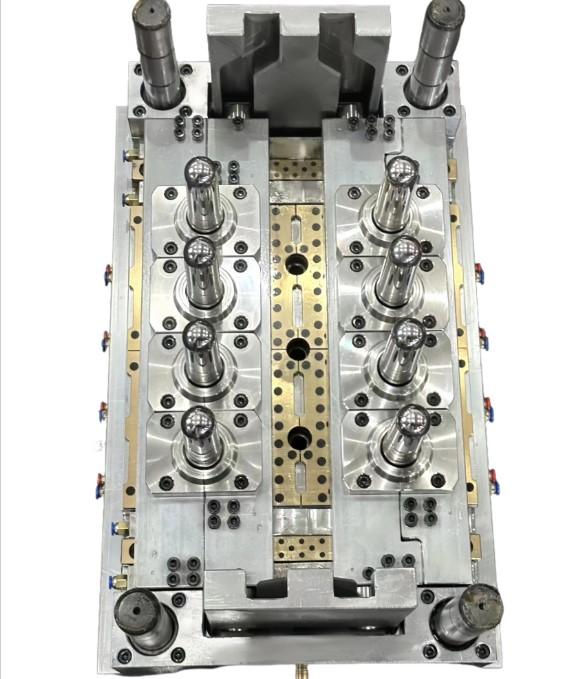
A comfortable, well-shaped handle can make a container easier to carry, pour, and store, especially when the product is used frequently. Choosing a suitable Handle Mold allows manufacturers to create handles that match a container's dimensions, intended load, and appearance, while a carefully planned Handle Mold can help maintain consistent shapes across repeated production cycles. From household containers to packaging for daily-use products, handle design deserves attention because it influences both the user's experience and the finished product's overall construction.
Designing Handles Around Real Usage
Before developing a mould, manufacturers should understand how the finished handle will be used. A small handle for a lightweight container has different requirements from one intended for a larger bottle that may hold liquid or other contents. Grip space, finger clearance, handle thickness, and connection points all contribute to usability.
Designers should also consider how people will lift and carry the container. A handle that looks attractive on a drawing may feel uncomfortable if its opening is too narrow or its edges are poorly shaped. Reviewing the intended application at the beginning helps turn design ideas into practical features that suit everyday handling.
Balancing Appearance and Structural Needs
A handle is both a functional component and a visible part of the package. Its shape should complement the container while providing enough structure for the intended application. Rounded edges may create a softer appearance, while broader gripping areas can offer more room for the hand, depending on the product's dimensions.
The connection between the handle and the container also matters. Poorly considered attachment areas may affect stability or create unwanted stress during use. Mould designers should review these sections alongside the overall shape instead of treating the handle as an isolated feature. A balanced design can support a consistent appearance without overlooking practical performance requirements.
Choosing Materials and Mould Details
The material selected for a handle affects how the part behaves during moulding and everyday use. Flow characteristics, shrinkage, cooling behavior, and the required surface finish should all be considered when developing the mould. Material selection needs to match the intended product rather than follow a single approach for every application.
Mould details also influence production results. Parting lines, gate positions, ejector arrangements, and cavity surfaces should be planned around the component's geometry. When these elements are considered together, manufacturers have a clearer basis for evaluating part quality and identifying areas that may need adjustment during sampling.
Making Production Checks More Useful
Quality checks should focus on the features that matter most to the finished handle. Depending on the design, these may include opening dimensions, wall thickness, surface appearance, connection geometry, and dimensional consistency. Comparing samples against approved drawings can help production teams identify deviations before they become recurring issues.
It is also useful to collect feedback from people who handle the finished container. Their observations may reveal details that measurements alone cannot fully explain, such as awkward finger placement or an uncomfortable grip. Combining dimensional inspection with practical evaluation gives manufacturers a more complete view of whether the design meets its intended purpose.
Developing Handle Moulds with Qihong Mould
When comparing suppliers, buyers should look beyond the initial quotation and discuss design communication, sampling arrangements, mould maintenance, and production requirements. Sharing clear drawings and explaining the container's intended use helps the supplier assess the project more accurately. It also provides a useful starting point for discussing revisions before mould manufacturing begins.
A well-organized development process connects design decisions with actual production needs. Qihong Mould offers mould solutions for different packaging components, helping customers explore options based on their project specifications. To learn more about handle mould products and related services, visit https://www.qhpreformmould.com/ .

 English
 Arabic
 French
 Spanish
 Portuguese
 Deutsch
 Turkish
 Dutch
 Italiano
 Russian
 Portuguese (Brazil)
 Greek