


How to Treat Acne Caused by Bacteria: Causes, Symptoms, and Effective Treatments
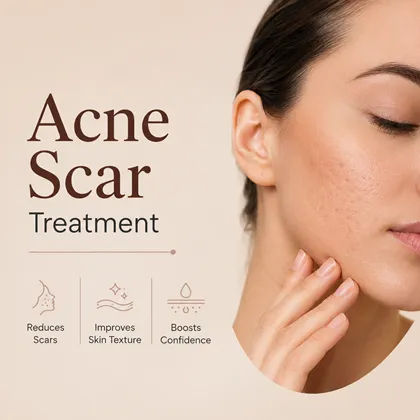
Acne is one of the most common skin concerns, affecting teenagers and adults alike. It can appear as blackheads, whiteheads, red pimples, or painful inflamed spots. Although bacteria play a role in acne development, breakouts are not simply caused by having dirty skin or failing to wash your face.
Understanding the relationship between skin bacteria, clogged pores, oil production, and inflammation can help you choose suitable treatments and avoid common skincare mistakes.
If you are looking for acne treatment in Islamabad, this guide explains how bacteria contribute to acne and which treatment options may help manage breakouts.
What Causes Bacterial Acne?
Acne develops through several interacting processes. Hair follicles can become blocked by oil and dead skin cells, creating conditions that encourage inflammation.
A bacterium called Cutibacterium acnes naturally lives on the skin. It is part of the normal skin microbiome and is not inherently harmful. However, interactions between this bacterium, blocked follicles, sebum, and the body's immune response can contribute to acne lesions.
Hormonal changes, genetics, certain medications, and other factors can also influence acne development.
This is why acne cannot usually be treated effectively through cleansing alone.
What Are the Common Symptoms of Acne?
Acne may appear in several forms:
-
Whiteheads: Closed pores containing oil and dead skin cells.
-
Blackheads: Open pores whose contents darken through exposure to air.
-
Papules: Small, inflamed red bumps.
-
Pustules: Inflamed spots containing visible pus.
-
Nodules: Deep, firm, painful lesions.
-
Cysts: Deep inflammatory lesions that may resemble cysts and can increase the risk of scarring.
Acne commonly affects the face, chest, shoulders, and back. Deep or painful lesions should be assessed by a healthcare professional because early treatment may reduce the risk of permanent scars.
Is Acne Caused by Poor Hygiene?
No. Acne is not a sign that your face is dirty.
Excessive washing, vigorous scrubbing, and using harsh soaps can irritate the skin and make breakouts more uncomfortable. Acne develops through biological processes involving pores, oil production, inflammation, and individual susceptibility.
Gentle cleansing helps remove sweat, excess oil, sunscreen, and surface buildup, but it cannot eliminate every acne-related factor.
Effective Treatments for Bacterial Acne
The best treatment depends on the type and severity of acne. Several established options may help.
1. Benzoyl Peroxide
Benzoyl peroxide helps reduce acne-causing bacteria on the skin and can improve inflammatory pimples. It is available in washes, gels, and creams at different strengths.
Start with a suitable product and follow its instructions. Benzoyl peroxide may cause dryness, irritation, or peeling and can bleach towels and clothing.
2. Salicylic Acid
Salicylic acid helps loosen dead skin cells and unclog pores. It may be useful for blackheads, whiteheads, and mild acne.
Introduce it gradually, particularly if you have sensitive skin. Using it alongside several other strong acne products may increase irritation.
3. Topical Retinoids
Topical retinoids help prevent blocked pores and treat different forms of acne. They are often used as part of a longer-term treatment plan.
Dryness, peeling, and redness can occur when treatment begins. Follow professional instructions about frequency and application.
Topical retinoids should be avoided during pregnancy and when trying to conceive unless a qualified clinician specifically advises otherwise.
4. Topical Antibiotics
A clinician may prescribe a topical antibiotic for selected cases of inflammatory acne. These medicines are generally not recommended as a stand-alone long-term treatment because bacterial resistance can develop.
They are often combined with benzoyl peroxide when appropriate. Use them only as prescribed.
5. Oral Antibiotics
For some cases of moderate to severe inflammatory acne, a healthcare professional may recommend an oral antibiotic for a limited period.
Antibiotics are not suitable for every type of acne, and unnecessary use can contribute to antibiotic resistance. The treatment plan should include appropriate follow-up and, when indicated, non-antibiotic maintenance treatment.
6. Prescription Treatment for Severe Acne
Deep, painful, or scarring acne may require specialist treatment. Depending on your medical history, a dermatologist may consider prescription medicines such as isotretinoin.
Isotretinoin requires medical supervision because of potentially serious adverse effects and strict pregnancy-prevention precautions. It should never be taken without appropriate specialist guidance.
How to Build a Skincare Routine for Acne-Prone Skin
A simple, consistent routine can support medical treatment.
Morning
-
Wash with a gentle cleanser.
-
Apply a suitable non-comedogenic moisturizer.
-
Use broad-spectrum sunscreen with SPF 30 or higher.
Evening
-
Cleanse gently to remove sunscreen, makeup, and surface buildup.
-
Apply your recommended acne treatment according to its instructions.
-
Use moisturizer to help reduce dryness and support the skin barrier.
Introduce one new active ingredient at a time. If you develop significant burning, swelling, or persistent irritation, stop the suspected product and seek appropriate advice.
How to Prevent Acne From Worsening
Although not all acne can be prevented, the following habits may help reduce irritation and support treatment:
-
Avoid squeezing or picking pimples.
-
Wash your face gently rather than scrubbing.
-
Choose non-comedogenic skincare and makeup.
-
Clean items that regularly contact your face.
-
Shower after heavy sweating when practical.
-
Follow prescribed treatments consistently.
-
Avoid using leftover antibiotics or unverified home remedies.
Acne treatment often requires several weeks to show improvement. Changing products too frequently can make it harder to determine what is working.
Can You Treat Bacterial Acne Naturally?
Gentle skincare and healthy daily habits can support acne management, but they may not be enough to treat persistent or severe acne.
Avoid applying undiluted essential oils, lemon juice, toothpaste, or harsh household substances to your skin. These remedies can cause irritation, burns, or discoloration.
If you prefer a minimal skincare routine, discuss suitable evidence-based options with a qualified healthcare professional rather than relying on unproven treatments.
When Should You Seek Professional Help?
Consider professional assessment if you have:
-
Persistent breakouts despite consistent skincare
-
Deep or painful pimples
-
Acne that leaves scars or dark marks
-
Widespread inflammatory acne on the face or body
-
Significant irritation from acne products
-
A sudden or unusual acne-like eruption
Not every acne-like rash is acne vulgaris. Conditions such as folliculitis can produce similar bumps but may require different treatment. Correct diagnosis helps prevent unnecessary medication use.
Acne Treatment in Islamabad at Incisions Clinic
If you are searching for acne treatment in Islamabad, Incisions Clinic may be a starting point for discussing persistent breakouts and suitable treatment options.
A professional assessment can help determine the type and severity of your acne and whether topical treatment, prescription medication, or another approach may be appropriate.
Share your current skincare routine, medications, allergies, and previous treatment experiences during your consultation. This information can help guide an individualized plan rather than relying on products that may not suit your skin.
Conclusion
Bacteria contribute to acne, but breakouts develop through a combination of clogged pores, excess oil, inflammation, hormones, and individual susceptibility. Gentle skincare and evidence-based treatments such as benzoyl peroxide, salicylic acid, and appropriately prescribed medication can help manage many cases.
Avoid harsh cleansing and unnecessary antibiotic use, and seek professional advice if acne is persistent, painful, or leaving scars.
For those seeking acne treatment in Islamabad, an accurate diagnosis and a treatment plan suited to your skin are important steps toward healthier-looking skin.

 English
 Arabic
 French
 Spanish
 Portuguese
 Turkish
 Dutch
Dutch
 Italiano
 Russian
 Romaian
 Portuguese (Brazil)
 Greek
Greek