


Property Inspection: A Complete Guide for Buyers and Owners
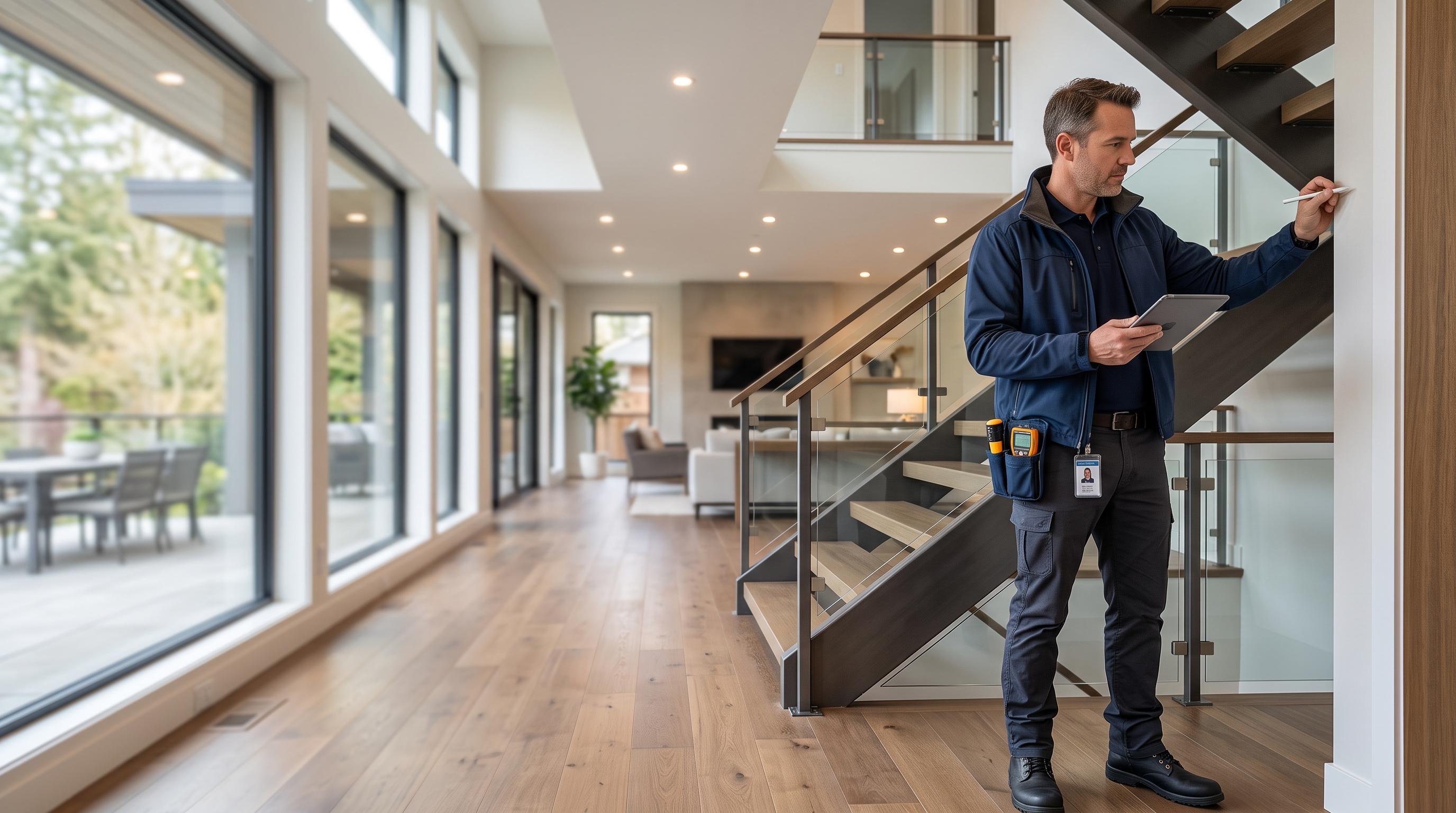
Property inspection is an essential step when buying, selling, renting, or maintaining a residential or commercial building. It helps property owners, buyers, investors, and landlords understand the actual condition of a property before making important decisions. A professional property inspection can reveal visible damage, hidden defects, maintenance concerns, and potential safety risks that may otherwise go unnoticed. Whether you are purchasing a new home, investing in a commercial building, or preparing a property for sale, a thorough inspection provides valuable information about the structure, systems, and overall condition of the building.
What Is Property Inspection?
Property inspection is a detailed assessment of a building and its major components to identify defects, maintenance issues, safety concerns, and areas requiring repair. The inspection generally covers structural elements, walls, ceilings, floors, roofing, plumbing, electrical installations, doors, windows, drainage, and other important features. The exact inspection scope depends on the property type, its age, accessibility, and the service requested.
A professional property inspector examines the accessible areas of the building and documents the condition of its components. The findings are usually presented in an inspection report that explains identified issues and recommends appropriate corrective action where necessary. This information helps clients understand the property's current condition and make informed decisions about purchasing, selling, renovating, or maintaining it.
Why Is Property Inspection Important?
Property inspection is important because buildings can contain defects that are difficult to identify during a routine viewing. Cracks, moisture intrusion, plumbing leaks, damaged electrical components, and poor finishing may affect a property's safety, comfort, durability, and value. Some problems can also become more expensive to repair when they remain undetected.
An inspection provides a clearer understanding of the property's condition before a financial commitment is made. Buyers can use the findings to discuss necessary repairs with the seller, while property owners can develop a suitable maintenance plan. Investors may also use inspection findings to estimate potential repair expenses and assess whether a property meets their expectations.
Regular inspections can support preventive maintenance by identifying developing problems before they cause extensive damage. This approach can help property owners protect their investment, improve building performance, and reduce unexpected maintenance costs over time.
What Does a Property Inspection Cover?
Structural Condition
The structural assessment focuses on accessible elements that support the building and contribute to its stability. Inspectors may examine visible cracks, signs of movement, damaged masonry, uneven floors, deteriorating concrete, and other indications of possible structural problems. They may also look for signs of water damage that could affect structural components.
Not every crack indicates a serious structural defect, and the significance of an issue depends on its location, size, pattern, and surrounding conditions. When an inspector identifies a concern that requires specialist investigation, further assessment by a structural engineer may be recommended.
Roofing and Waterproofing
The roof protects the building from rain, sunlight, wind, and other environmental conditions. During a property inspection, accessible roofing components may be checked for visible damage, deterioration, drainage problems, and signs of water penetration. Inspectors may also examine accessible roof edges, gutters, downpipes, and waterproofing details.
Waterproofing is particularly important in areas exposed to heavy rainfall, humidity, or regular water use. Defective waterproofing can contribute to damp walls, ceiling stains, peeling paint, mould growth, and deterioration of internal finishes. Early identification of these problems helps property owners arrange repairs before moisture damage spreads.
Plumbing and Drainage Systems
Plumbing and drainage inspections help identify visible leaks, damaged pipes, poor drainage, faulty fixtures, water pressure concerns, and signs of moisture around sinks, bathrooms, kitchens, and utility areas. Inspectors may also check accessible valves, taps, sanitary fittings, and drainage points.
Undetected plumbing problems can damage flooring, walls, cabinets, and other building materials. Persistent leaks may also encourage mould growth and increase water consumption. A property inspection can highlight warning signs and indicate when a qualified plumber should carry out further testing or repairs.
Electrical Installations
Electrical systems are an important part of a building's safety and functionality. A property inspection may include a visual assessment of accessible switches, sockets, distribution boards, visible wiring, lighting fixtures, and other electrical components, depending on the agreed inspection scope.
Inspectors look for visible damage, loose fittings, signs of overheating, exposed wiring, and other potential concerns. A standard visual inspection does not necessarily confirm that the entire electrical system is safe or compliant with applicable regulations. Specialist electrical testing may be necessary when defects are suspected or when a more detailed assessment is required.
Walls, Ceilings, and Floors
Walls, ceilings, and floors influence the appearance, comfort, and usability of a property. Inspectors examine these surfaces for cracks, uneven finishes, damp patches, peeling paint, damaged plaster, loose tiles, and other visible defects.
Flooring problems can include hollow-sounding tiles, damaged grout, uneven surfaces, and signs of moisture beneath finished materials. Ceiling stains may indicate previous or ongoing water leakage, while cracks around doors and windows may require closer examination. Documenting these defects helps property owners determine which repairs are cosmetic and which may require further investigation.
Doors, Windows, and Finishing
Doors and windows should operate properly, provide suitable closure, and show no obvious signs of damage that affect their function. During an inspection, accessible fittings, locks, hinges, frames, glazing, sealants, and surrounding finishes may be examined.
Poor installation or damaged seals can contribute to water penetration, air leakage, noise, and reduced energy efficiency. Incomplete painting, uneven plastering, loose handles, damaged cabinets, and poorly finished joints may also be recorded, especially during a new property handover or snagging inspection.
Different Types of Property Inspection
Residential Property Inspection
Residential property inspection focuses on houses, apartments, villas, and other homes. It helps buyers and homeowners understand the condition of essential building components before purchasing or arranging maintenance. The inspection may cover visible structural elements, roofing, plumbing, electrical installations, internal finishes, ventilation, and accessible external areas.
A residential inspection is useful for both older properties and newly constructed homes. Older buildings may require closer attention to deterioration and previous repairs, while new homes may have finishing defects, installation problems, or incomplete work that should be addressed before handover.
Commercial Property Inspection
Commercial property inspection is designed for offices, retail units, warehouses, restaurants, and other business premises. These buildings may contain specialised electrical installations, mechanical equipment, fire safety systems, loading areas, and building services that require additional attention.
A commercial inspection helps business owners, tenants, landlords, and investors evaluate the visible condition of the premises before signing an agreement or planning renovations. Depending on the property, separate assessments may be required for fire protection, lifts, air conditioning, industrial equipment, or regulatory compliance.
Pre-Purchase Property Inspection
A pre-purchase property inspection is carried out before a buyer finalises a property transaction. Its main purpose is to identify defects that could affect the property's suitability, maintenance requirements, or future repair costs.
The inspection findings can help buyers understand the condition of the building beyond its appearance during a viewing. If significant defects are discovered, the buyer may seek specialist advice, request repairs, discuss the price, or reconsider the purchase based on the contract and applicable law.
New Property Handover Inspection
A new property handover inspection takes place before a newly built home or commercial unit is formally accepted. It focuses on visible construction defects, incomplete work, damaged finishes, faulty fittings, and problems with installed components.
The inspector may prepare a snagging report that records each issue and its location. This report can help the developer or contractor understand which items require correction before handover or within the applicable defect-liability period. Buyers should confirm the contractual procedure and deadlines for reporting defects.
Rental Property Inspection
Rental property inspection helps landlords and tenants understand the condition of a property at the beginning, during, or end of a tenancy. It can document existing damage, maintenance concerns, the condition of fixtures, and visible changes that occur during occupancy.
A clear inspection record can reduce misunderstandings between landlords and tenants. It also supports maintenance planning and helps distinguish pre-existing defects from issues that arise later, subject to the tenancy agreement and local requirements.
Benefits of Hiring a Professional Property Inspector
Hiring a professional property inspector provides an organised assessment of the building and its accessible components. Inspectors with suitable training and experience can recognise common warning signs, document defects, and explain when further specialist evaluation may be appropriate.
One important benefit is improved decision-making. Instead of relying only on appearance or verbal assurances, buyers and owners receive documented observations about the property's condition. This information can help them prioritise repairs, plan budgets, and understand potential maintenance responsibilities.
Professional inspections can also support negotiations and improve communication between buyers, sellers, landlords, developers, and contractors. A well-prepared report provides a practical record of observed defects and can help the relevant parties agree on the next steps.
However, an inspection cannot guarantee that every defect will be discovered. Hidden areas, inaccessible systems, concealed pipework, and defects that develop later may fall outside the inspection scope. Clients should review the service agreement and understand the limitations of the report.
How to Choose the Right Property Inspection Company
Choosing a suitable property inspection company requires attention to experience, qualifications, service scope, reporting quality, and professional conduct. Clients should look for inspectors who understand the relevant building type and can explain their findings in clear language.
It is helpful to ask whether the company provides a written report with photographs, descriptions of observed defects, and recommendations for further investigation where appropriate. Clients should also confirm which areas and systems are included, whether specialist testing is available, and whether additional services carry separate charges.
Local building practices and regulatory requirements may affect the inspection process. For properties in Dubai or elsewhere in the United Arab Emirates, clients should consider the property's location, relevant authority requirements, and the type of inspection needed. A general property condition assessment is not automatically a substitute for specialist compliance inspections or formal approvals.
Before appointing a company, compare the scope of services rather than selecting a provider based only on price. A clear agreement helps ensure that the inspection meets the client's actual needs.
What Happens During a Property Inspection?
The process generally begins with collecting basic information about the property, its intended use, and the client's concerns. The inspector may review available property details and confirm the areas that can be accessed during the visit.
During the site assessment, the inspector examines accessible building components and records visible defects. Depending on the agreed scope, this may involve visual checks of structural elements, internal finishes, plumbing fixtures, electrical components, doors, windows, drainage, and external areas.
After the site visit, the observations are organised into a report. The report may include photographs, descriptions of defects, their locations, and recommendations for repairs or specialist investigation. Clients should review the findings carefully and ask questions about issues they do not understand.
The final step is deciding which actions are necessary. Some defects may require immediate attention, while others can be managed through routine maintenance. Potentially serious structural, electrical, or safety concerns should be assessed by an appropriately qualified specialist.
Common Property Inspection Problems
Moisture intrusion is a frequent concern because it can damage finishes and contribute to mould growth. Inspectors may notice damp patches, discolouration, peeling paint, damaged sealants, or other signs that indicate possible water penetration.
Cracks in walls and ceilings are another common finding. Their significance depends on the surrounding conditions, so a qualified professional may need to investigate cracks that appear extensive, continue to grow, or occur alongside other signs of movement.
Poor workmanship can affect tiles, plaster, paint, doors, windows, cabinets, and bathroom fittings. These issues are particularly relevant during new property handovers, when incomplete work and finishing defects may need to be corrected.
Plumbing leaks, blocked drainage, damaged electrical fittings, and defective waterproofing can also affect a property's usability and maintenance costs. Recording these problems in an inspection report makes it easier to prioritise corrective work and monitor whether repairs have been completed.
Property Inspection and Property Value
Property inspection can influence how buyers and owners assess the condition and potential costs associated with a building. A property that appears attractive may still require substantial repairs, while a well-maintained building may offer greater confidence to a prospective buyer.
Inspection findings do not determine market value on their own. Property value also depends on location, demand, comparable sales, building size, legal status, and other market factors. However, a clear understanding of defects and maintenance needs can help buyers evaluate the overall investment more realistically.
For sellers, resolving known defects before listing a property may improve its presentation and reduce the likelihood of unexpected concerns during negotiations. For investors, inspection findings can support maintenance budgeting and help identify issues that may affect future occupancy or operating expenses.
How to Prepare for a Property Inspection
Property owners should arrange access to the areas that need to be inspected and ensure that rooms, utility spaces, and accessible service areas can be examined safely. Relevant maintenance records, previous inspection reports, warranties, and details of known defects may also help the inspector understand the property's history.
If the property is occupied, occupants should be informed about the scheduled visit and any access requirements. Pets should be managed appropriately, and access to restricted or hazardous areas should be discussed in advance.
Clients should explain any particular concerns, such as recurring leaks, unusual smells, cracks, drainage problems, or malfunctioning fittings. Sharing this information helps the inspector focus attention on relevant areas, although it does not replace a systematic assessment of the property.
Frequently Asked Questions About Property Inspection
What is the main purpose of property inspection?
The main purpose of property inspection is to assess the visible condition of a building, identify defects, highlight potential safety concerns, and help clients understand maintenance or repair requirements. It supports informed decisions when buying, selling, renting, or managing property.
When should a property inspection be carried out?
A property inspection is useful before purchasing a building, before accepting a newly constructed property, when beginning or ending a tenancy, and during routine maintenance planning. Additional inspections may be appropriate when signs of damage or deterioration appear.
How long does a property inspection take?
The duration depends on the building's size, age, complexity, accessibility, and inspection scope. A small apartment may require less time than a large villa or commercial building with extensive services. The inspection company can provide an estimated duration after reviewing the property details.
Can property inspection identify hidden defects?
An inspection may reveal signs of hidden defects, such as water stains, unusual cracking, or dampness. However, a standard visual inspection cannot identify every concealed problem. Specialised equipment, invasive investigation, or expert testing may be required to assess areas that are not readily accessible.
Is property inspection necessary for a new home?
A new home can still contain construction defects, incomplete finishes, installation problems, or damaged fittings. A handover inspection helps identify visible issues so they can be documented and addressed through the appropriate contractual process.
What should a property inspection report include?
A useful report generally describes the inspected areas, documents observed defects, includes photographs where appropriate, and explains recommended follow-up actions. It should also clarify limitations, inaccessible areas, and any components that were not tested.
Who pays for property inspection?
The person who arranges the inspection generally pays the inspection fee. This is often the buyer for a pre-purchase inspection, although payment arrangements may differ according to the agreement, local practice, or the type of service requested.
Does property inspection guarantee a defect-free building?
No. Property inspection reduces uncertainty by identifying observable problems, but it cannot guarantee that a building is free from every defect. Concealed issues, inaccessible components, and problems that develop after the inspection may not be identified.
Conclusion
Property inspection is a valuable part of responsible property ownership, investment, and management. It helps buyers, sellers, landlords, tenants, and investors understand a building's condition, identify visible defects, and plan suitable repairs or maintenance. From structural elements and waterproofing to plumbing, electrical installations, and finishing work, a thorough inspection provides practical information that supports better property decisions.
Choosing an experienced inspection professional and reviewing the report carefully can help reduce uncertainty, improve maintenance planning, and prevent avoidable surprises. Whether you are purchasing a home, accepting a new property, managing a rental unit, or evaluating commercial premises, property inspection provides a clearer picture of the building and helps you make decisions with greater confidence.

 English
 Arabic
 French
 Spanish
 Portuguese
 Turkish
 Dutch
Dutch
 Italiano
 Russian
 Romaian
 Portuguese (Brazil)
 Greek
Greek