


Can You Get a Tooth Implant Immediately After Tooth Extraction?
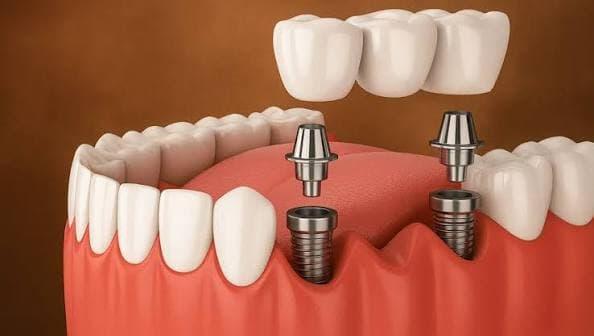
Losing a tooth can affect more than your smile. It may make chewing uncomfortable, change the appearance of your teeth, and leave you wondering how quickly you can replace the missing tooth. One common question patients ask is whether a dental implant can be placed immediately after a tooth extraction or if they need to wait several weeks or months.
The good news is that immediate implant placement is possible for suitable patients. However, the right treatment depends on your gum health, jawbone condition, the reason for tooth extraction, and the stability of the implant. If you are considering a tooth implant in Surat, understanding the procedure, benefits, risks, and healing process can help you make an informed decision.
Can You Get a Tooth Implant Immediately After Tooth Extraction?
Yes, a dental implant can sometimes be placed immediately after tooth extraction. This procedure is called immediate implant placement, in which the dentist removes the damaged tooth and inserts a dental implant into the same socket during the same appointment.
A dental implant is a small, screw-shaped post, usually made of titanium, that acts as an artificial tooth root. Once it integrates with the jawbone, it can support a dental crown that looks and functions like a natural tooth.
However, immediate placement is not suitable for everyone. The dentist must evaluate the extraction site, surrounding bone, gums, and signs of infection before recommending this approach.
In some cases, waiting for the extraction site to heal before placing the implant offers a safer and more predictable outcome.
When Is Immediate Dental Implant Placement Possible?
Several factors determine whether an implant can be placed immediately after extraction.
1. Healthy Gums and Sufficient Jawbone
Healthy gum tissue and adequate jawbone are important for successful implant placement. The implant needs sufficient bone support to remain stable while healing.
If the extraction leaves a large bone defect or the existing bone is too thin, the dentist may recommend bone grafting or a delayed implant procedure.
2. The Tooth Does Not Have Severe Infection
A tooth may need extraction because of decay, trauma, or infection. In selected cases, an implant can still be placed immediately after careful removal of infected tissue and thorough cleaning of the socket.
However, an uncontrolled infection, significant bone destruction, or other complications may make immediate placement unsuitable. The dentist will assess the individual situation before proceeding.
3. The Implant Can Be Stabilised Properly
Initial stability is essential when placing an implant immediately after extraction. The implant must achieve sufficient anchorage in the available bone to support the healing process.
If the bone cannot provide adequate stability, the dentist may recommend waiting until the extraction site has healed.
4. Overall Oral Health Is Suitable
Your general health and oral hygiene also influence implant treatment. Conditions that affect healing, smoking, certain medications, and poorly controlled diabetes may increase complications or require additional precautions.
A thorough dental examination helps determine whether immediate placement is appropriate.
What Happens During Immediate Dental Implant Surgery?
The procedure generally involves several carefully planned steps.
Step 1: Examination and Treatment Planning
The dentist examines your teeth and gums, reviews your medical history, and may recommend dental X-rays or a CBCT scan to evaluate the jawbone and nearby anatomical structures.
This assessment helps determine implant position, available bone support, and whether additional procedures are needed.
Step 2: Tooth Extraction
The damaged tooth is removed carefully, with the aim of preserving as much surrounding bone and gum tissue as possible.
The dentist then examines the socket for bone defects or signs of infection.
Step 3: Implant Placement
If the site is suitable, the dental implant is inserted into the jawbone during the same appointment. In some situations, a small gap between the implant and the socket wall may require bone grafting material.
The dentist may place stitches to help the area heal.
Step 4: Temporary or Permanent Tooth Replacement
Depending on the implant's stability and your bite, the dentist may provide a temporary crown or another suitable tooth replacement option.
A temporary crown is not always possible immediately. In many cases, the implant must remain protected from excessive chewing forces while the bone heals.
The final crown is generally fitted after sufficient healing and integration with the jawbone.
What Are the Benefits of Getting an Implant Immediately?
For suitable patients, immediate implant placement offers several potential advantages.
-
Fewer surgical appointments: Tooth extraction and implant placement can be completed during one visit.
-
Reduced overall treatment time: The procedure may eliminate the need to wait for complete socket healing before implant surgery.
-
Potential preservation of gum contours: Carefully planned placement may help maintain the natural appearance of the surrounding tissues.
-
Earlier tooth replacement planning: A temporary restoration may be possible in selected cases, helping reduce the time spent with a visible gap.
-
Convenience: Combining procedures can reduce the number of separate surgical visits.
These benefits depend on the condition of the extraction site and the treatment plan. Immediate placement does not necessarily mean that the entire implant process will be completed faster in every case.
What Are the Risks of Immediate Implant Placement?
Although immediate dental implants can be successful, the procedure has potential risks.
Implant Failure
If the implant does not integrate properly with the jawbone, it may become loose or fail. Insufficient bone support, excessive loading, infection, and certain health factors can increase this risk.
Gum Recession
Changes in the gum tissue may expose part of the implant or affect the appearance of the final crown. This is particularly important when replacing front teeth.
Infection and Delayed Healing
Infection, poor oral hygiene, smoking, and other factors can interfere with healing. Following the dentist's aftercare instructions is essential.
Need for Additional Treatment
Some patients may require bone grafting, gum treatment, or a delayed implant instead of immediate placement. A temporary tooth may also need to be modified to protect the implant during healing.
Discussing these possibilities before surgery helps you understand the expected outcome and available alternatives.
Immediate Implant vs. Delayed Implant: Which Is Better?
Neither approach is automatically better for every patient. The choice depends on clinical findings and the condition of the extraction site.
| Factor | Immediate Implant | Delayed Implant |
|---|---|---|
| Timing | Placed during tooth extraction | Placed after the socket has healed or following other preparatory treatment |
| Number of surgical visits | May reduce separate procedures | Usually requires a separate implant placement appointment |
| Bone condition | Requires suitable bone support and stability | Allows time to assess healing and address certain defects |
| Treatment duration | May shorten the overall process in suitable cases | Usually involves a longer waiting period before implant placement |
| Suitability | Selected patients with favourable conditions | Patients who need healing, infection management, or additional preparation |
A dentist may also recommend early implant placement after partial healing. This approach falls between immediate placement and waiting for complete socket healing.
How Long Does It Take to Heal After an Immediate Dental Implant?
Healing occurs in stages. Initial discomfort and swelling often improve within several days, although recovery varies according to the complexity of the procedure.
The implant then needs time to integrate with the jawbone through a process called osseointegration. This commonly takes around three to six months, but the exact period depends on bone quality, implant location, individual healing, and whether additional procedures were performed.
During this period, your dentist may advise you to eat soft foods, maintain careful oral hygiene, avoid smoking, and attend follow-up appointments.
Do not assume that an implant is ready for normal chewing simply because the gum tissue looks healed. Your dentist must confirm that the implant is sufficiently stable before placing the final restoration or allowing heavier chewing forces.
How Can You Prepare for a Successful Tooth Implant?
A few practical steps can support your treatment and recovery:
-
Attend a complete dental examination before choosing immediate placement.
-
Share your medical history and current medications with your dentist.
-
Follow instructions regarding smoking, oral hygiene, and prescribed medicines.
-
Choose softer foods during the initial healing period.
-
Avoid putting unnecessary pressure on the implant.
-
Keep all follow-up appointments so your dentist can monitor healing.
If you experience worsening pain, increasing swelling, persistent bleeding, fever, or discharge from the surgical area, contact your dentist promptly.
Conclusion
Yes, you can get a dental implant immediately after tooth extraction, provided your jawbone, gums, and overall oral health meet the necessary conditions. Immediate placement can reduce the number of surgical appointments and may help preserve gum contours, but it is not the right option for every patient. Some people achieve better results with early or delayed implant placement after the extraction site has healed.
The best approach is to undergo a thorough dental examination and discuss the advantages, risks, expected healing time, and alternatives before making a decision. If you are exploring a tooth implant in Surat, InfiSmile can help you understand your tooth replacement options and the factors involved in planning dental implant treatment. An individual assessment is the most reliable way to determine the treatment suited to your needs.

 English
 Arabic
 French
 Spanish
 Portuguese
 Deutsch
 Turkish
 Dutch
Dutch
 Italiano
 Russian
 Romaian
 Portuguese (Brazil)