


Negative MRSA Screening Test Results: What Should You Know?
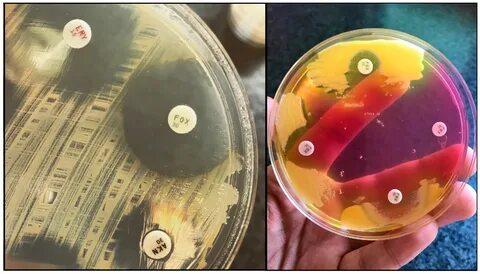
Receiving a negative MRSA screening test result can be reassuring, especially if you are preparing for surgery, entering a healthcare facility, or concerned about exposure to antibiotic-resistant bacteria. However, understanding exactly what a negative result means is important. Does it confirm that you do not carry MRSA? Can the bacteria still be present elsewhere on your body? And should you take any additional precautions?
Methicillin-resistant Staphylococcus aureus (MRSA) is a type of bacteria resistant to several commonly used antibiotics. Some people carry MRSA without experiencing symptoms, while others develop infections that require medical treatment. An MRSA Screening Test in Dubai helps identify bacterial carriage so healthcare professionals can make informed decisions about infection prevention and patient care.
A negative result generally means that MRSA was not detected in the sample tested. It does not necessarily guarantee that the bacteria are absent from every body site or that you cannot acquire MRSA in the future.
This guide explains how to interpret a negative MRSA test, what factors may affect the result, and when further testing or medical advice may be appropriate.
What Does a Negative MRSA Screening Result Actually Mean?
A negative MRSA screening result indicates that the laboratory did not detect methicillin-resistant Staphylococcus aureus in the specimen collected, using the test performed.
For example, if a healthcare professional collects a nasal swab and the result is negative, MRSA was not detected in that nasal sample. This can help the healthcare team assess your MRSA status and determine whether any additional precautions are necessary.
However, the result has a defined scope. It reflects the sample, body site, and testing method used at that particular time.
A negative result is not a guarantee
MRSA may be present at another body site, such as the throat, groin, armpits, or a wound, without being detected in a nasal swab. The likelihood of detecting the bacteria can also depend on the quality of sample collection and the sensitivity of the laboratory method.
A negative screening result also cannot predict whether you will become colonized in the future.
The key takeaway: A negative result is useful information, but it must be interpreted alongside your medical history, symptoms, risk factors, and the reason testing was performed.
How MRSA Screening Tests Work?
Understanding how the laboratory identifies MRSA can help explain why a negative result has certain limitations.
Nasal swabs and other sample collection methods
The inside of the nose is a common site of MRSA colonization, making nasal swabs a widely used screening method. Depending on your circumstances and the healthcare facility's protocol, samples may also be collected from the throat, groin, armpits, skin, or other relevant sites.
Sample collection is usually quick and causes little discomfort. A healthcare professional uses a sterile swab to collect material from the intended area, which is then sent to a laboratory for analysis.
The body sites tested can influence the interpretation of the result. If only the nose is sampled, a negative result does not rule out MRSA carriage at every other site.
Culture-based MRSA testing
A culture test allows bacteria in the sample to grow under controlled laboratory conditions. The laboratory then identifies whether MRSA is present.
Culture-based MRSA screening often takes around 24–48 hours or longer, depending on the laboratory procedure and whether additional testing is needed.
PCR-based MRSA screening
Polymerase chain reaction (PCR) testing detects specific genetic markers associated with MRSA. Some molecular screening tests can provide results within hours.
PCR may offer faster results than culture, but performance depends on the particular assay and specimen. Both methods can be useful, and neither should be interpreted without considering the clinical context.
Five Reasons You Might Receive a Negative MRSA Test:
A negative result may accurately reflect the absence of detectable MRSA in the sample. However, several factors can influence whether the bacteria are identified.
1. MRSA is not present in the sampled area
You may genuinely not carry MRSA at the body site tested. In this situation, the negative result provides useful information for your healthcare team.
2. MRSA is present at another body site
Some people carry MRSA at sites other than the nose. If the bacteria are present in the throat, groin, skin, or another location that was not sampled, a nasal screening test may not detect them.
Additional screening sites may be considered when clinically appropriate.
3. The sample collection was inadequate
A specimen must be collected and handled correctly for reliable testing. If insufficient material is obtained or the collection procedure does not follow the relevant instructions, detection may be affected.
Healthcare professionals use established collection procedures to reduce this risk.
4. The amount of bacteria is low
When the amount of MRSA in a sample is low, detection may be more difficult, depending on the test used. This is one possible explanation for a false-negative result.
A false negative occurs when MRSA is present but the test does not detect it.
5. Recent treatment may influence detection
Recent antibiotic use or MRSA decolonization treatment may affect whether bacteria are detected, depending on the medication, timing, body site, and testing method.
Tell your healthcare professional about recent treatment before testing. Do not stop prescribed medication or delay necessary treatment simply to influence a screening result.
Can You Still Have MRSA After a Negative Screening Test?
Yes, it is possible, although a negative result can still be reassuring when the test was appropriate for the clinical situation.
A negative MRSA screening test does not rule out every instance of bacterial carriage. The result may be affected by the body site sampled, the test's sensitivity, and the quality of the specimen.
It is also important to distinguish between MRSA colonization and active infection.
MRSA colonization means the bacteria are present on or in the body without causing symptoms.
An active MRSA infection occurs when the bacteria cause illness or tissue damage. Symptoms may include redness, warmth, swelling, increasing pain, pus, or fever, depending on the affected area.
If you have symptoms suggesting an infection, do not rely on a negative screening swab alone. A healthcare professional may collect a sample directly from the affected area, such as wound drainage, to determine whether MRSA or another organism is responsible.
Seek prompt medical assessment for a worsening wound, spreading redness, severe pain, or fever accompanied by signs of infection. Severe or rapidly worsening symptoms require urgent care.
Do You Need Another MRSA Screening Test?
Not everyone with a negative result needs repeat testing. Whether additional screening is appropriate depends on why the original test was performed and whether new clinical information has emerged.
Your healthcare professional may consider repeat or additional testing if:
-
You have symptoms that suggest a possible MRSA infection.
-
Your medical history includes previous MRSA colonization or infection.
-
The original sample may not have been collected adequately.
-
You are preparing for a procedure that requires screening under the facility's protocol.
-
A healthcare facility is investigating a suspected MRSA outbreak.
-
Your clinical circumstances indicate that testing another body site may be useful.
Repeat screening should be guided by a clear clinical reason rather than performed automatically. If your test was part of a hospital admission or preoperative assessment, follow the instructions provided by your care team.
What Does a Negative Result Mean Before Surgery or Hospital Admission?
MRSA screening may be recommended before selected surgical procedures because identifying bacterial carriage can help healthcare teams plan preventive measures.
If your preoperative MRSA screening result is negative, your care team can use that information alongside other clinical factors when determining appropriate infection prevention measures.
However, a negative result does not remove the need for routine surgical safety practices. Hand hygiene, proper skin preparation, sterile procedures, wound care, and appropriate antibiotic use remain important.
Hospital screening policies differ. Some facilities test selected patients, while others use broader protocols for particular units or procedures.
If you are preparing for surgery, ask whether your screening result changes any planned precautions and whether repeat testing is needed under the facility's guidelines.
How to Protect Yourself After a Negative MRSA Test?
A negative screening result does not mean you should stop following sensible infection prevention practices. Everyday habits help reduce exposure to MRSA and other bacteria.
Maintain good hand hygiene
Wash your hands with soap and water, particularly after using the bathroom, touching a wound, changing dressings, or providing personal care. Follow healthcare staff instructions about hand hygiene when receiving medical treatment.
Keep cuts and wounds clean
Follow wound care instructions and keep cuts covered with clean dressings when appropriate. Avoid squeezing boils or abscesses, and seek medical advice if a wound becomes increasingly painful, swollen, or filled with pus.
Avoid sharing personal items
Do not share razors, towels, washcloths, or other items that come into contact with skin or wound drainage.
Follow healthcare precautions
If you are receiving care in a hospital or another healthcare facility, follow the infection prevention guidance provided by staff. A negative result does not replace precautions that are necessary for other medical reasons.
Use antibiotics responsibly
Take prescribed antibiotics as directed. Avoid using leftover medication or taking antibiotics without professional guidance, because inappropriate antibiotic use can contribute to antimicrobial resistance.
These measures help reduce the risk of infection but cannot guarantee complete protection against MRSA.
Frequently Asked Questions About Negative MRSA Screening Results:
Does a negative MRSA test mean I am completely free of MRSA?
Not necessarily. It means MRSA was not detected in the sample tested. The bacteria may be present at another body site, or they may be acquired later.
Can an MRSA screening test be falsely negative?
Yes. Factors such as sample collection, the amount of bacteria present, the body site sampled, and the testing method can affect detection.
Can I develop an MRSA infection after a negative result?
Yes. A negative result reflects the sample tested at that time. It cannot guarantee that you will not acquire MRSA or develop an infection in the future.
How long does it take to receive a negative MRSA result?
Culture-based testing often takes around 24–48 hours or longer. Some PCR screening tests provide results within hours, depending on the laboratory and test used.
Should I take antibiotics after a negative MRSA test?
A negative screening result alone is not a reason to take antibiotics. Antibiotics should be used only when prescribed for an appropriate clinical reason.
Conclusion: Interpret a Negative MRSA Test in Context
A negative MRSA screening Lab tests can provide reassurance by indicating that methicillin-resistant Staphylococcus aureus was not detected in the sample collected. Nevertheless, the result does not guarantee that the bacteria are absent from every body site or that future infection is impossible.
The most reliable interpretation considers the testing method, sample collection, medical history, symptoms, and reason for screening. Additional testing may be appropriate when symptoms persist, clinical suspicion remains high, or healthcare protocols require further assessment.
Continue practising good hand hygiene, caring for wounds properly, and following medical advice. If you have concerns about your result or signs of a possible infection, speak with a qualified healthcare professional about the next steps.

 English
 Arabic
 French
 Spanish
 Portuguese
 Deutsch
 Turkish
 Dutch
Dutch
 Italiano
 Russian
 Portuguese (Brazil)
 Greek
Greek