


Is a Semen Analysis Test Painful or Uncomfortable?
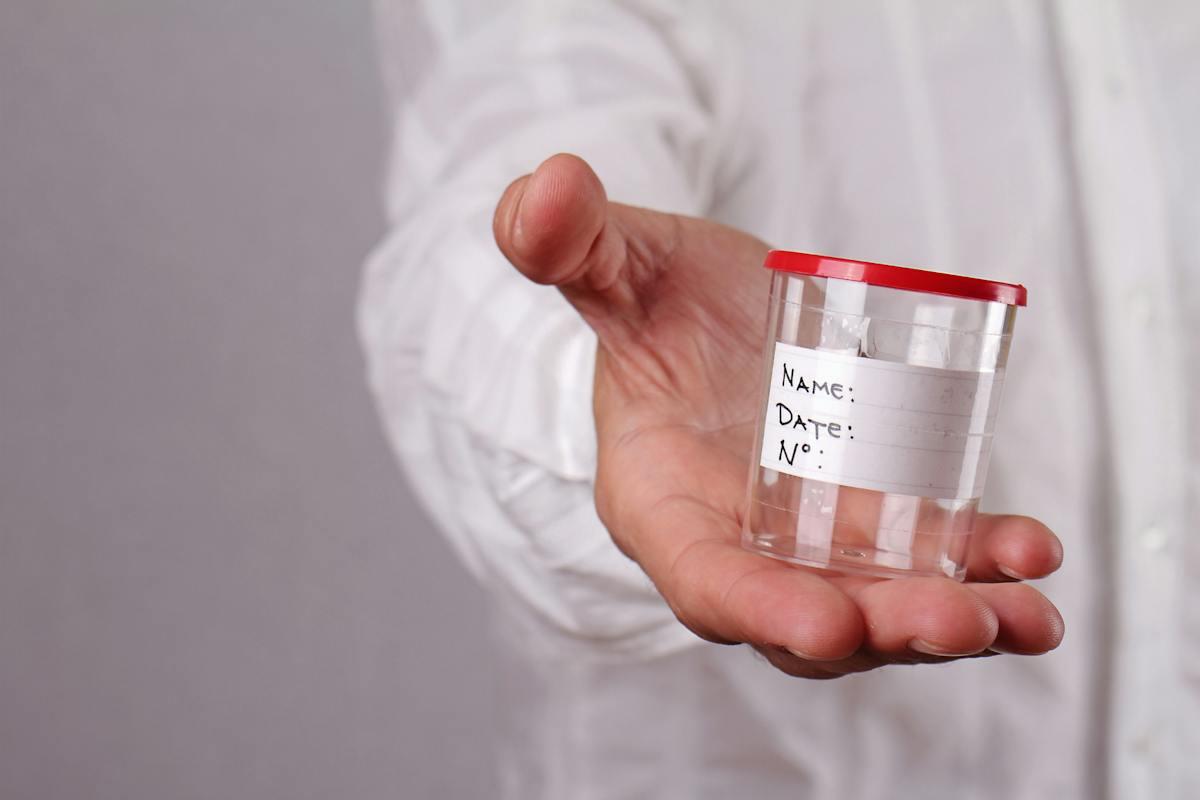
A Semen Analysis Test is a common laboratory investigation used to assess male reproductive health and evaluate factors that may affect fertility. Although the test is generally straightforward and non-invasive, many people feel nervous about the process. Questions about pain, privacy, sample collection, and the accuracy of the results are natural, especially for those having the test for the first time.
The reassuring news is that a standard semen analysis is usually not physically painful because it does not involve needles, surgery, or instruments entering the body. However, some people may experience emotional discomfort, embarrassment, performance anxiety, or difficulty producing a sample in a clinical setting.
Understanding how the test works, what happens during sample collection, and how to prepare can help make the experience more comfortable. This guide explains what to expect before, during, and after a Semen Analysis Test in Dubai, along with practical ways to manage anxiety and obtain a reliable result.
Is a Semen Analysis Test Painful?
In most cases, a Semen Analysis Test is not painful. It usually involves collecting a semen sample in a sterile container, which is then examined in a laboratory. The procedure itself does not ordinarily require blood sampling, injections, or surgical intervention.
The main challenge for some individuals is not physical pain but the circumstances surrounding sample collection. Producing a sample on demand, particularly in an unfamiliar environment, may feel awkward or stressful.
Your experience can depend on several factors:
-
Emotional comfort: Concerns about fertility or reproductive health can create anxiety before the appointment.
-
Privacy: Some people feel uncomfortable providing a sample outside their home.
-
Personal beliefs: Cultural expectations, religious beliefs, or personal values may influence how someone feels about the collection method.
-
Previous experiences: Individuals who have previously struggled with sample collection may feel more pressure during a repeat test.
-
Medical concerns: Existing pain during ejaculation, pelvic discomfort, or other symptoms may make the process more difficult.
It is important to distinguish discomfort caused by the testing environment from physical symptoms that may require medical attention.
What Makes the Test Feel Uncomfortable for Some People?
Although the laboratory procedure is generally simple, the experience is personal. Understanding common concerns can help you prepare for them rather than feeling caught off guard.
1. Anxiety About Fertility Results
A Semen Analysis Test may be recommended when a couple is trying to conceive, after an unsuccessful period of attempting pregnancy, or when a healthcare professional suspects a reproductive health issue.
In these circumstances, the possibility of receiving an abnormal result can cause considerable stress. Some people may worry about sperm count, sperm motility, or whether the findings will affect their chances of becoming a biological parent.
Remember that semen analysis results are only one part of a fertility assessment. A result outside the laboratory's reference range does not automatically mean that natural conception is impossible.
2. Difficulty Producing a Sample
Some individuals find it difficult to ejaculate when they feel rushed, observed, or anxious. This may happen even if ejaculation is normally straightforward in a familiar setting.
Performance anxiety can temporarily interfere with sexual arousal and make sample collection challenging. This is not unusual, and it does not necessarily indicate a fertility problem.
If you are concerned, ask the laboratory about its collection procedure and available privacy arrangements before your appointment.
3. Embarrassment About the Process
Discussions about semen, sperm health, and reproductive function can feel personal. However, semen analysis is a routine medical investigation, and laboratory professionals are accustomed to handling these samples.
You do not need to feel embarrassed about seeking information regarding your reproductive health. Asking questions about privacy, collection instructions, or alternative arrangements is a normal part of preparing for the test.
How Is a Semen Analysis Test Performed?
Knowing the steps in advance can reduce uncertainty and make the appointment less stressful.
Step 1: Follow the Preparation Instructions
Before the test, the laboratory will usually provide instructions about sexual abstinence, sample collection, and transportation if home collection is permitted.
Many laboratories recommend avoiding ejaculation for two to seven days before collecting the sample. However, the exact interval may vary according to the laboratory's protocol or the reason for testing.
Following these instructions is important because the duration of abstinence can influence semen volume, sperm concentration, and other measurements.
Step 2: Collect the Semen Sample
The standard method is to collect semen through masturbation directly into a sterile specimen container supplied or approved by the laboratory.
The collection process does not normally involve physical examination or insertion of medical instruments. You may be asked to collect the sample in a private room at the laboratory.
If you have difficulty producing a sample, inform the staff rather than forcing yourself to complete the process under pressure.
Step 3: Ensure the Sample Is Properly Handled
The laboratory may ask you to report whether the entire sample was collected, as losing part of it can affect the interpretation of certain measurements.
If home collection is permitted, follow the laboratory's instructions carefully regarding the container, transport time, and temperature. Not every laboratory accepts samples collected at home.
Step 4: Laboratory Evaluation
After collection, the sample is assessed for several characteristics, which may include:
-
Semen volume: The amount of fluid produced.
-
Sperm concentration: The number of sperm present per millilitre.
-
Total sperm number: The estimated number of sperm in the entire sample.
-
Sperm motility: How sperm move.
-
Sperm morphology: The proportion of sperm with typical shape and structure.
-
Liquefaction and viscosity: How the semen changes consistency after ejaculation.
-
Other findings: Depending on the test, the laboratory may assess pH, round cells, or other characteristics.
These measurements help evaluate aspects of male reproductive health. The test itself is usually painless, although the collection process may require patience.
Can You Feel Pain During or After Sample Collection?
Ordinary semen collection should not cause physical pain. You may experience temporary emotional tension or mild frustration if the process takes longer than expected, but significant pain is not a typical feature of a standard Semen Analysis Test.
If ejaculation itself causes pain, it is important not to assume that the symptom is simply part of the test.
Painful ejaculation may be associated with conditions such as inflammation, infection, pelvic floor problems, or other urological concerns. The cause cannot be determined from this symptom alone, so persistent or recurring pain should be discussed with a qualified healthcare professional.
Seek prompt medical advice if you experience severe pain, blood in the semen, fever, or other concerning symptoms. Sudden, severe testicular pain requires urgent medical assessment.
A Semen Analysis Test evaluates semen characteristics; it does not independently identify every possible cause of genital or pelvic pain.
What If You Cannot Produce a Semen Sample?
Difficulty collecting a sample is a concern for some individuals, particularly when anxiety, erectile difficulties, or problems with ejaculation are present.
If you cannot provide a sample during your appointment, do not assume that the test has failed permanently or that you have a fertility disorder.
Consider the following steps:
-
Speak with the laboratory staff. They may explain the available options and help you understand the collection requirements.
-
Ask about home collection. Some laboratories allow it when specific handling and delivery conditions can be met.
-
Avoid excessive pressure. Anxiety can make ejaculation more difficult, so a calm environment may help.
-
Discuss recurring difficulties with a clinician. Problems with ejaculation or sexual function may benefit from a medical assessment.
If a standard collection method is not possible, a healthcare professional may discuss appropriate alternatives based on your circumstances. These options should be arranged medically rather than attempted independently.
How Can You Make a Semen Analysis Test More Comfortable?
A little preparation can make the experience easier, particularly if you are worried about embarrassment or producing a sample on demand.
Understand the Instructions Before Your Appointment
Read the laboratory's collection guidelines in advance. Confirm the recommended abstinence period, whether an appointment is required, and whether home collection is allowed.
Knowing what to expect can reduce uncertainty and prevent avoidable delays.
Ask About Privacy
If you feel uncomfortable collecting a sample in an unfamiliar environment, ask about the available arrangements before the appointment. Understanding the collection procedure and privacy measures may help you feel more at ease.
Give Yourself Enough Time
Avoid scheduling the test when you are already under considerable time pressure. Rushing may increase anxiety and make sample collection more difficult.
Focus on the Medical Purpose
A semen analysis provides information about sperm production and semen characteristics. It is a clinical investigation, not a judgment about masculinity, sexual performance, or personal worth.
If fertility concerns are affecting your emotional well-being, consider discussing them with a healthcare professional or qualified counsellor.
Follow Instructions Rather Than Trying Home Remedies
Avoid unproven supplements or last-minute interventions intended to change sperm count or semen quality. The most useful preparation is following the laboratory's instructions and reporting relevant medications, medical conditions, or recent illnesses when asked.
Does a Semen Analysis Test Affect Sperm Production or Future Fertility?
No. Collecting a semen sample for testing does not damage the testicles or permanently reduce sperm production. Ejaculation releases semen that has already been produced and stored within the reproductive system.
The abstinence period recommended before testing is intended to help standardise the sample, not to protect the body from harm caused by the test.
Sperm production continues naturally. However, semen parameters can vary between samples, which is one reason a clinician may recommend repeat testing if the initial result is abnormal or inconsistent with the wider clinical picture.
A standard semen analysis does not itself determine whether someone will or will not achieve a pregnancy. Fertility depends on several factors involving both partners, and additional investigations may be appropriate depending on the circumstances.
Frequently Asked Questions About Semen Analysis Test Discomfort:
Is a Semen Analysis Test painful for first-time patients?
Usually, no. The test generally involves collecting a semen sample into a sterile container, without injections or invasive procedures. First-time patients may feel nervous or embarrassed, but understanding the process can make it easier.
Does the test require a physical examination?
A routine semen analysis usually does not require a physical examination. However, a healthcare professional may recommend an examination or additional tests if symptoms, medical history, or fertility concerns warrant further assessment.
Can stress affect semen sample collection?
Yes. Stress and performance anxiety can make it more difficult to produce a sample. Anxiety does not automatically indicate a sperm-related problem, and difficulty collecting a sample does not establish a diagnosis of infertility.
Can I collect the sample at home?
Some laboratories permit home collection, while others require collection on-site. The rules may depend on the laboratory's procedures and the need to assess the sample within a specified period. Always obtain instructions before collecting a sample at home.
Is an abnormal semen analysis result permanent?
Not necessarily. Semen parameters can fluctuate because of biological variation, recent illness, abstinence duration, medications, and other factors. A healthcare professional may recommend repeating the test before drawing conclusions or deciding on further investigations.
Does a semen analysis test affect sexual performance?
The test does not ordinarily affect long-term sexual performance or sperm production. Temporary anxiety about providing a sample may affect arousal or ejaculation during collection, but this is different from permanent sexual dysfunction.
Final Thoughts: What Should You Expect From a Semen Analysis Test?
A Semen Analysis Lab tests is generally painless, non-invasive, and straightforward. The most challenging part for some people is managing anxiety, maintaining privacy, or producing a sample in an unfamiliar setting.
Following the laboratory's instructions, understanding the collection process, and asking questions beforehand can help make the experience more comfortable. If you have difficulty providing a sample, there may be alternative arrangements worth discussing with the laboratory or your healthcare professional.
Most importantly, remember that semen analysis is a tool for understanding reproductive health. Its findings should be interpreted in context rather than treated as a definitive judgment about fertility. If your results are abnormal, a clinician can explain what they mean and whether repeat testing or further evaluation is appropriate.
Taking an informed, calm approach can help you complete the test with greater confidence and make better decisions about your reproductive health.

 English
 French
 Spanish
 Portuguese
 Deutsch
 Turkish
 Dutch
Dutch
 Italiano
 Russian
 Romaian
 Portuguese (Brazil)
 Greek
Greek