


What Factors Should You Consider When Buying Used Excavators for Construction Projects?
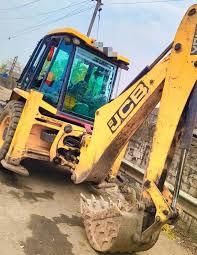
Excavators play an essential role in construction, infrastructure development, road building, landscaping, and large-scale earthmoving. From digging foundations and trenches to loading soil and preparing sites, these machines help contractors complete demanding tasks efficiently. However, purchasing an excavator requires a substantial financial commitment, especially when a business is expanding its fleet or managing several projects simultaneously.
For contractors looking to control equipment expenses, Used Excavators for Sale can provide an opportunity to acquire productive machinery at a lower initial cost than comparable new models. The key is identifying a machine that offers the right combination of performance, mechanical condition, operating capacity, and long-term value.
Before making a purchase, buyers should evaluate several technical and financial factors to ensure the selected excavator can meet project requirements without creating unnecessary maintenance costs.
Determine the Right Excavator Size for Your Work
Excavators are available in several size categories, and each is designed for different working environments. Choosing the correct size is one of the first decisions contractors should make before contacting sellers.
Mini excavators are useful for landscaping, residential construction, utility work, and projects where access is restricted. Their compact dimensions make them suitable for sites with narrow entrances or limited working space. Standard excavators offer a broader range of digging and material-handling capabilities, while large excavators are designed for demanding earthmoving and heavy infrastructure operations.
The correct size depends on excavation depth, material type, required digging reach, lifting requirements, site accessibility, and transportation limitations. A machine that is too small may struggle to complete the work efficiently, while an oversized excavator can increase fuel consumption and transport expenses.
Contractors should review the manufacturer's specifications rather than relying solely on the machine's appearance or advertised category. Operating weight, bucket capacity, digging depth, reach, and lifting performance all influence whether a particular model is suitable for the intended task.
Selecting the right machine before comparing prices makes the buying process more focused and reduces the risk of purchasing equipment that cannot meet the project's demands.
Evaluate Engine Performance and Operating Hours
Engine condition has a direct effect on an excavator's productivity and reliability. A machine with poor engine performance may consume more fuel, operate inefficiently, or require expensive repairs shortly after purchase.
Ask the seller for the machine's operating hours, service history, and details of any significant engine repairs. Operating hours provide a useful indication of usage, but they should not be treated as a complete measure of condition. Maintenance quality, workload, working environment, and operator practices also influence component wear.
During inspection, examine the engine compartment for oil leaks, damaged hoses, corrosion, and signs of overheating. If possible, arrange a cold start and observe how the engine performs before it reaches normal operating temperature.
Unusual knocking, excessive vibration, irregular idling, or persistent exhaust smoke should be investigated by a qualified technician. Check the relevant warning indicators and review available maintenance documentation for consistency with the recorded operating hours.
A well-maintained excavator with higher operating hours may be a better investment than a poorly maintained machine with fewer recorded hours. The objective is to understand the engine's actual condition and likely maintenance requirements before committing funds.
Inspect the Hydraulic System Thoroughly
The hydraulic system controls the excavator's primary working functions, including boom movement, arm operation, bucket movement, and, depending on the model, travel and other machine functions. Hydraulic performance is therefore central to excavation productivity.
Begin by inspecting visible hoses, fittings, cylinders, and connections for leakage, abrasion, cracking, or signs of previous repairs. Examine cylinder rods for scoring and corrosion, as damaged surfaces can affect seals and contribute to fluid leakage.
During a controlled operational test, observe whether the boom, arm, and bucket respond smoothly. Jerky movements, unusually slow operation, inconsistent force, or abnormal hydraulic noise may indicate developing problems.
Ask whether the hydraulic oil and filters have been serviced according to the manufacturer's maintenance schedule. If the machine has experienced recurring hydraulic faults, request details of the repairs and the components involved.
Hydraulic pumps and other major components can be expensive to repair or replace. For this reason, buyers should not rely on a short demonstration alone when evaluating Used Excavators for Sale. A comprehensive inspection by a qualified heavy-equipment technician can help identify problems that are not obvious during a brief test.
Examine the Undercarriage and Track Components
For tracked excavators, the undercarriage is an important part of the inspection because its condition can significantly affect the total purchase cost.
The undercarriage typically includes track chains, track shoes, rollers, idlers, sprockets, and associated components. Wear varies according to the ground conditions, operating practices, maintenance history, and amount of travel the machine has completed.
Inspect the track links for excessive wear and look for damaged or missing track shoes. Examine rollers and sprockets for irregular wear patterns and check whether the tracks appear properly aligned. Track tension should be evaluated according to the manufacturer's recommended procedure.
Machines that have worked extensively in abrasive soil, rocky environments, or demanding quarry conditions may require particularly careful examination. Uneven wear can also indicate maintenance or operating issues that deserve further investigation.
Undercarriage repairs can represent a significant expense, so request a professional wear assessment when purchasing a high-value excavator. If replacement or major repairs are likely to be required soon, include the estimated cost in your price comparison.
For wheeled excavators, pay attention to tires, steering, braking, and other relevant running gear components instead.
Check the Boom, Arm, Bucket, and Structural Condition
An excavator's structural components must withstand repeated digging forces and heavy workloads. Damage to the boom, arm, frame, or attachment mounting points can affect performance and may create serious safety concerns.
Inspect the boom and arm for cracks, deformation, damaged welds, and evidence of previous repairs. Pay close attention to areas around pivot points and mounting brackets, where repeated loading can contribute to wear.
Check the bucket for excessive wear on its cutting edge, teeth, side plates, and attachment points. Determine whether the bucket included in the sale is suitable for the intended material and digging conditions.
Inspect pins and bushings for excessive movement or looseness. Significant wear in these components may cause unwanted play during operation and affect digging accuracy.
Repainting does not necessarily indicate a problem, but freshly painted structural areas should be examined carefully if the underlying condition cannot be established. Any questionable structural repair should be assessed by a qualified professional before purchase.
Attachments also influence value. Confirm which buckets, couplers, hydraulic attachments, and other accessories are included in the quoted price, and check that they are compatible with the excavator.
Assess Fuel Efficiency and Operating Expenses
Purchase price is only one part of the cost of owning an excavator. Fuel, routine servicing, repairs, transportation, insurance, and operator expenses all contribute to the machine's total operating cost.
Fuel consumption depends on engine design, machine size, working conditions, maintenance, and operator technique. An excavator performing continuous heavy digging may consume fuel at a different rate from one used for lighter trenching or intermittent site work.
Ask the seller for available operating information and compare similar models under comparable conditions. Manufacturer specifications can provide a useful reference, but actual consumption depends on how the machine is used.
Estimate the number of hours the excavator will operate each week and calculate expected fuel and maintenance expenses over the planned ownership period. Include the cost of regular filters, lubricants, hydraulic servicing, and likely wear items.
For contractors working under tight budgets, predictable operating expenses can be as important as the initial purchase price. A machine that costs slightly more but offers better verified condition and manageable maintenance requirements may provide stronger overall value.
Review Maintenance Records and Repair History
Maintenance records help buyers understand whether the excavator has received appropriate care throughout its operating life. Request documentation for engine servicing, hydraulic maintenance, coolant replacement, transmission or travel-system servicing, and other work required by the manufacturer.
Ask about major component replacements, repeated mechanical problems, and any periods when the machine was out of service. Repair invoices and service reports can help establish what was completed and whether further work may be necessary.
Compare the documentation with the physical condition of the equipment. Inconsistent operating-hour records, unexplained gaps in maintenance history, or visible defects that do not match the seller's description should prompt additional questions.
A machine with incomplete records is not automatically unsuitable, but the uncertainty should be reflected in the inspection process and purchase decision.
It is also useful to confirm the availability of replacement parts for the particular make and model. Parts availability and access to qualified technicians can affect repair turnaround times, especially when the excavator operates in a remote location.
Verify the Seller and Equipment Documentation
Before making a payment, establish that the seller has the authority to sell the excavator and can provide the required documentation.
Check the serial number or product identification number against the available ownership records and equipment documents. Review the invoice, machine description, included attachments, and any applicable service or import documentation.
If purchasing through a dealer, ask about the inspection process, any warranty coverage, delivery arrangements, and after-sales support. Confirm which services are included and which would involve additional charges.
For international transactions, clarify export eligibility, shipping arrangements, customs procedures, import duties, and the responsibilities of each party. The final cost may be significantly different from the advertised price once transportation and applicable charges are included.
Request written confirmation of the purchase price, payment terms, delivery schedule, and agreed repairs. Avoid relying on verbal assurances about the machine's condition or future support.
Calculate the Total Cost of Ownership
A thorough financial comparison should account for the entire period during which the excavator is expected to remain in service.
Include the purchase price, inspection fees, transportation, initial repairs, routine servicing, fuel, insurance, and other relevant operating expenses. If financing is involved, include interest and applicable fees. Also consider the expected resale value at the end of the planned ownership period.
For example, a low-priced excavator may require immediate hydraulic work and undercarriage repairs. Another machine with a higher purchase price but a stronger maintenance history may require less immediate expenditure and become productive sooner.
The financial impact of downtime should also be considered. If an excavator is essential to a project with strict deadlines, unexpected repairs can affect other activities and increase labour or subcontracting costs.
Compare shortlisted machines using the same assumptions for utilization, maintenance, and ownership duration. This creates a more consistent basis for deciding which option offers the best value.
Arrange a Professional Pre-Purchase Inspection
An independent inspection is especially valuable when buying expensive equipment or purchasing remotely. A qualified technician can assess engine condition, hydraulic performance, structural integrity, undercarriage wear, and other major systems.
Ideally, the assessment should include a visual inspection, a cold start when practical, an operational test, and a review of maintenance documentation. The inspector should identify significant defects and explain which issues require immediate attention.
If the excavator cannot be inspected in person, request a current video demonstration, detailed photographs, and a written condition report. Remote evidence can support the evaluation, but it cannot always reveal hidden mechanical faults.
Where possible, make the purchase conditional on satisfactory inspection results. This allows the buyer to negotiate a price adjustment, request specific repairs, or decline the transaction if major problems are discovered.
Make the Right Excavator Investment
Choosing suitable Used Excavators for Sale requires careful consideration of machine size, engine condition, hydraulic performance, undercarriage wear, maintenance history, and overall operating costs.
Contractors should begin by defining the job requirements and identifying suitable models. They should then compare available machines, verify seller documentation, inspect the equipment, and estimate the total cost of ownership before making a final decision.
The cheapest excavator is not always the most economical option. A machine with a verified service history, manageable maintenance requirements, suitable specifications, and access to spare parts can offer better long-term value.
By combining technical inspection with realistic financial planning, construction businesses can reduce purchasing risks and select equipment that supports productive, dependable operations across their projects.

 English
 French
 Spanish
 Portuguese
 Deutsch
 Turkish
 Dutch
Dutch
 Italiano
 Russian
 Romaian
 Portuguese (Brazil)
 Greek
Greek