


Wound Dressing at Home: How Families Can Support Patient Comfort
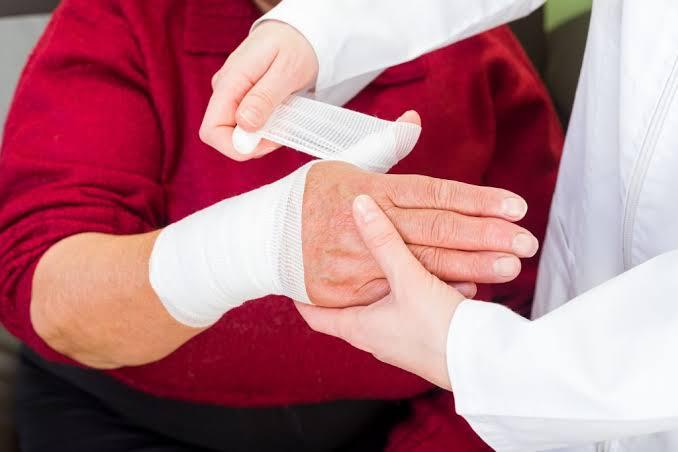
Wound care is an essential part of recovery, and a comfortable, hygienic environment can make a significant difference in a patient's healing journey. With Wound Dressing at Home in Dubai, families can help loved ones receive appropriate care while remaining in familiar surroundings. Professional support, including a Doctor at Home, can guide families on proper wound management, dressing changes, and precautions that help reduce the risk of infection. By understanding basic wound care practices and providing emotional support, family members can make the recovery process safer, more comfortable, and less stressful for patients.
Understanding the Importance of Proper Wound Dressing:
Wound dressing protects injured skin, helps maintain an appropriate healing environment, and reduces exposure to dirt and harmful microorganisms. Whether a patient is recovering from surgery, managing a minor injury, or living with a chronic wound, following the recommended dressing schedule is essential. Families should understand that different wounds require different types of dressings, depending on their size, location, drainage, and healing stage. A healthcare professional can recommend suitable materials and explain how frequently the dressing should be changed. Proper wound care can help prevent complications, support tissue repair, and improve the patient's overall comfort throughout recovery.
Creating a Clean and Comfortable Dressing Area:
Preparing a clean, quiet, and well-lit space before changing a wound dressing can help patients feel more relaxed and make the procedure easier for caregivers. Choose a comfortable position that allows easy access to the affected area without putting unnecessary pressure on the wound. Keep all required supplies within reach, including sterile dressings, gloves, and any cleaning solution recommended by the healthcare professional. Families should wash their hands thoroughly before and after providing care and avoid touching the sterile part of a dressing. A calm environment, gentle communication, and adequate privacy can also reduce anxiety, particularly for children, older adults, and patients recovering from surgery.
Preparing Patients for a Dressing Change:
Patient preparation is an important step in making wound care less stressful. Before beginning, explain what will happen and allow the patient to ask questions or express concerns. If the patient experiences pain during dressing changes, discuss appropriate pain management with a healthcare professional before the procedure. Never apply medication or numbing products directly to a wound unless specifically advised. Families can improve comfort by helping patients sit or lie in a supported position and ensuring that the affected limb or body part remains stable. Simple steps such as maintaining a comfortable room temperature, providing reassurance, and allowing sufficient time can make dressing changes more manageable.
Following Safe Wound Dressing Practices:
Safe dressing techniques help protect the wound and reduce the possibility of infection. Families should follow the instructions provided by the treating healthcare professional rather than experimenting with unfamiliar products or home remedies. During a dressing change, caregivers should avoid pulling firmly on material that sticks to the wound, as this may damage healing tissue. If a dressing is difficult to remove, follow the recommended method for loosening it or seek professional advice. Important precautions include:
-
Wash hands thoroughly before handling wound care supplies.
-
Use sterile dressings and appropriate protective equipment as instructed.
-
Clean the wound only with the recommended solution.
-
Avoid touching the wound or the sterile surface of the dressing.
-
Secure the dressing gently without restricting circulation.
-
Dispose of used dressings safely according to local healthcare guidance.
These precautions support hygienic wound management and help families provide care more confidently.
Helping Patients Manage Pain and Discomfort:
Pain, tenderness, itching, and sensitivity can make wound dressing changes uncomfortable. Families can support patients by observing their reactions, avoiding unnecessary movement, and following the recommended dressing schedule. Dressings should not be removed more frequently than advised simply to inspect the wound, because repeated disturbance may interfere with healing. If the patient reports increasing pain, caregivers should not dismiss it as a normal part of recovery. A healthcare professional can determine whether the discomfort relates to the wound itself, dressing technique, inflammation, or another complication. Gentle handling, appropriate positioning, and clear communication can help patients feel respected and supported during each dressing change.
Recognising Signs of Infection and Other Complications:
Monitoring the wound between dressing changes helps families identify problems that may require medical attention. Some mild tenderness can occur during healing, but worsening symptoms should be assessed promptly. Warning signs may include spreading redness, increasing swelling, unusual warmth, worsening pain, pus, a persistent unpleasant smell, or fever. The wound may also require reassessment if it appears to be getting larger, is not improving as expected, or repeatedly bleeds. Families should seek urgent medical attention for heavy bleeding that does not stop with firm, continuous pressure or for signs of severe infection, such as confusion or difficulty breathing. Early professional assessment can help prevent complications and ensure that treatment is adjusted when necessary.
Maintaining Hygiene and Supporting Daily Activities:
Good hygiene is important while a wound heals, but patients should not be discouraged from maintaining their usual routines when these are safe and appropriate. Families should follow the healthcare professional's instructions regarding bathing, showering, and protecting the dressing from moisture. Wet or contaminated dressings should be replaced according to the recommended care plan. Patients may also need assistance with clothing, mobility, meals, and household activities, especially when the wound affects their ability to walk or use their hands. Caregivers can help by keeping the surrounding area clean, avoiding pressure on the injured site, and ensuring that the patient receives adequate nutrition and hydration. These everyday measures support general well-being during recovery.
Providing Emotional Support During Recovery:
Wounds can affect a patient's confidence, independence, sleep, and emotional well-being. Some individuals may feel embarrassed about the appearance of an injury, while others may worry about pain, infection, or delayed healing. Family members can help by listening without judgement, offering reassurance, and involving patients in decisions about their care. Respecting privacy and explaining each step before touching the affected area can make patients feel more comfortable. Caregivers should also avoid expressing unnecessary alarm when inspecting the wound, as this may increase anxiety. Consistent encouragement and practical assistance can strengthen trust and help patients remain engaged in their recovery plan.
When to Seek Professional Wound Care at Home:
Although families can assist with routine care, some wounds require assessment and management by trained healthcare professionals. Surgical wounds, diabetic foot wounds, pressure injuries, deep cuts, and wounds that heal slowly may need specialised evaluation. Professional home visits can be particularly helpful for patients with limited mobility, older adults, and individuals who find travelling to a clinic difficult. A Doctor at Home can assess the wound, review symptoms, and advise whether additional treatment or referral is necessary. Depending on the patient's condition, a qualified nurse may also provide dressing changes and ongoing wound care. Families should always follow the prescribed care plan and seek medical advice when the wound changes unexpectedly.
Final Thoughts:
Supporting a loved one through wound recovery involves more than changing dressings. Clean surroundings, careful handling, consistent hygiene, pain awareness, and emotional reassurance all contribute to a more comfortable healing experience. Families should learn the recommended wound care routine, monitor for warning signs, and avoid using unapproved products or treatments. When additional assistance is needed, professional wound care services can provide guidance and help patients receive appropriate attention without unnecessary travel. With patience, communication, and the right support, families can play a valuable role in making wound recovery safer, less stressful, and more comfortable.

 English
 Arabic
 French
 Spanish
 Portuguese
 Deutsch
 Turkish
 Italiano
 Russian
 Romaian
 Portuguese (Brazil)
 Greek
Greek