


Is Root Canal Treatment Better Than Tooth Extraction?
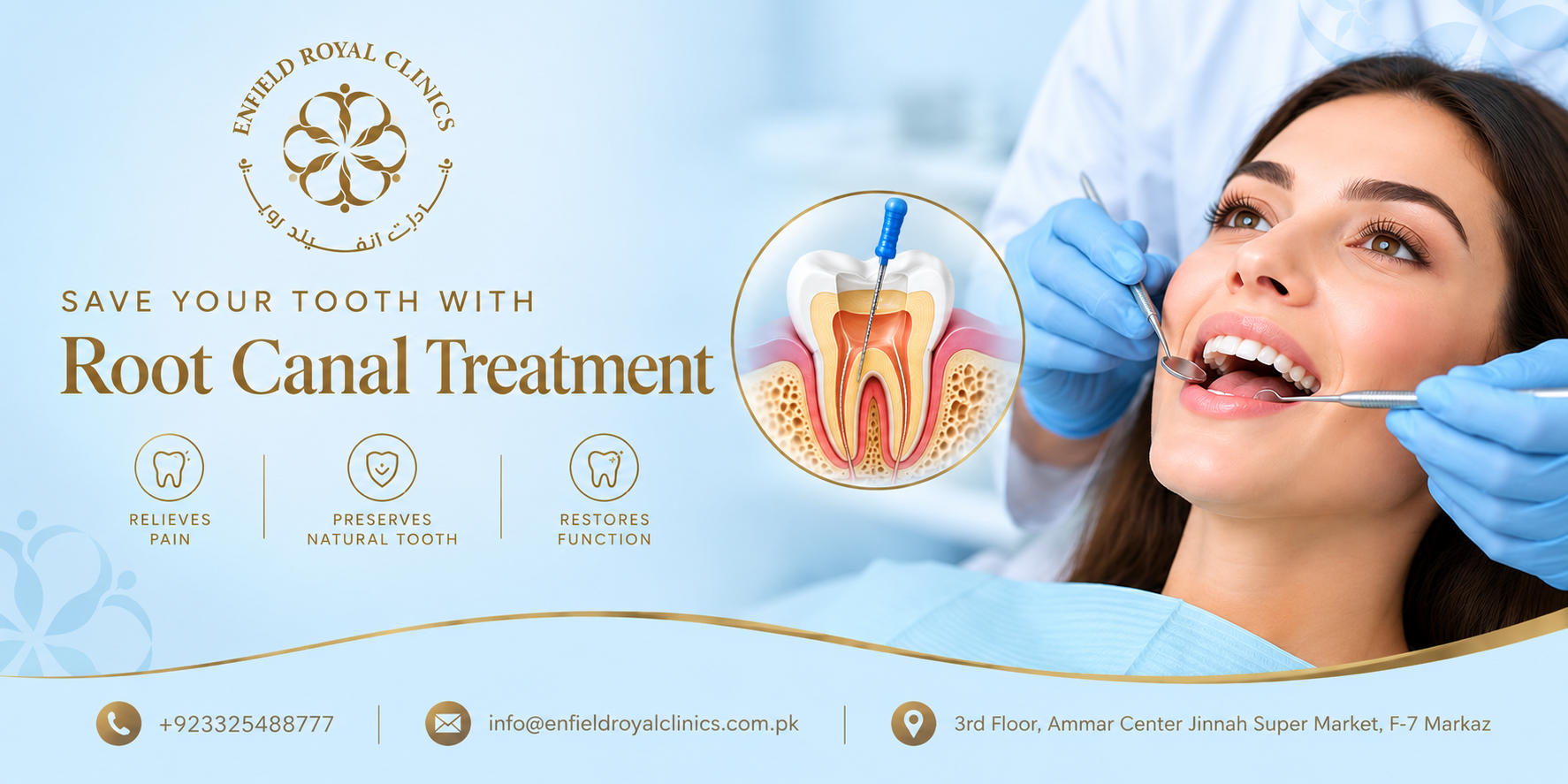
When a tooth becomes infected, severely decayed, or damaged, patients may need to choose between root canal treatment and tooth extraction. Both procedures can address dental problems, but the best option depends on the condition of the tooth and whether it can be restored successfully.
Root canal treatment aims to preserve the natural tooth by removing infected or damaged pulp from its interior. Tooth extraction removes the entire tooth from its socket and may require additional treatment if the missing tooth needs replacement.
In many cases, saving a natural tooth is preferable when it can be treated successfully. However, extraction may be necessary when the tooth has extensive damage or cannot be restored reliably. Understanding the benefits, limitations, and recovery process of both options can help patients make informed decisions. For individuals considering Root Canal Treatment in Islamabad, a dental examination is the first step toward finding the most appropriate solution.
1. What Is the Difference Between Root Canal Treatment and Tooth Extraction?
Root canal treatment and tooth extraction differ mainly in how they manage a damaged or infected tooth.
Root canal treatment removes infected or irreversibly damaged pulp from inside the tooth. The dentist cleans and disinfects the root canals before filling and sealing them. A permanent filling or dental crown may then be used to restore the tooth's strength and function.
This procedure is generally considered when the pulp is damaged but the remaining tooth structure is strong enough to support a restoration.
Tooth extraction involves removing the tooth from its socket. A dentist may recommend extraction when the tooth has a severe fracture, extensive decay, insufficient remaining structure, or significant supporting-tissue damage that makes successful restoration unlikely.
The main differences include:
-
Root canal treatment: Preserves the natural tooth and aims to control infection inside it.
-
Tooth extraction: Removes the damaged tooth and allows the extraction site to heal.
-
After root canal treatment: The tooth usually needs a suitable permanent restoration and ongoing care.
-
After extraction: The patient may need to consider a dental implant, bridge, or partial denture, depending on the tooth's location and oral health needs.
Neither procedure is automatically the better choice for every patient. The decision depends on the tooth's condition, the surrounding bone and gums, and the likelihood of long-term success.
2. Why Is Root Canal Treatment Often Better When a Tooth Can Be Saved?
Preserving a natural tooth offers several advantages for oral health and everyday comfort. Natural teeth support chewing, help maintain the existing bite, and contribute to normal speech. When a damaged tooth can be restored successfully, keeping it may also avoid the additional procedures associated with tooth replacement.
Root canal treatment offers several potential benefits.
-
Preserves natural tooth structure: The outer part of the tooth remains in place instead of being removed.
-
Helps eliminate infection: Cleaning and disinfecting the root canals addresses infected tissue inside the tooth.
-
Relieves toothache: Treatment can reduce pain caused by inflamed or infected pulp.
-
Maintains chewing function: A properly restored tooth can continue to function during everyday eating.
-
Helps maintain tooth alignment: Keeping the tooth avoids creating a new gap that may affect neighboring teeth over time.
A root canal-treated tooth can remain functional for many years when the procedure and final restoration are successful. However, the tooth may become more vulnerable to fracture if extensive decay or previous dental work has weakened its structure. A crown may be recommended to provide additional protection.
For patients researching Root Canal Treatment in Islamabad, preserving the natural tooth may be a suitable goal when sufficient healthy structure remains and the surrounding tissues provide adequate support.
3. When Is Tooth Extraction the Better Option?
Although preserving a natural tooth is often preferred, root canal treatment cannot save every damaged tooth. Extraction may provide a more predictable outcome when the tooth is too compromised to restore successfully.
A dentist may recommend extraction in the following situations:
-
Severe tooth fracture: A crack extending deep into the root or below the gumline may make restoration impossible.
-
Extensive decay: The tooth may have too little healthy structure remaining to support a filling or crown.
-
Advanced gum disease: Significant bone loss can leave a tooth loose and poorly supported.
-
Persistent problems after previous treatment: Depending on the cause, retreatment, specialist care, or extraction may be considered.
-
Poor long-term prognosis: Extraction may be appropriate when the likelihood of successful restoration is low.
Removing an infected tooth can eliminate the source of infection when the tooth cannot be saved. However, extraction still requires appropriate aftercare and monitoring to support healing.
Patients should also discuss what will happen after the tooth is removed. Depending on the location and function of the missing tooth, replacement may help restore chewing ability or maintain the bite. In other cases, the dental professional may recommend monitoring the gap rather than replacing the tooth immediately.
The most appropriate decision depends on the individual circumstances rather than a general rule that extraction or root canal treatment is always superior.
4. Is Root Canal Treatment More Painful Than Tooth Extraction?
Both procedures are usually performed under local anesthesia, which numbs the treatment area and helps minimize discomfort. The experience depends on the severity of the infection, the complexity of the procedure, and the patient's individual needs.
During root canal treatment, the dentist removes damaged pulp and cleans the inside of the tooth. Patients may feel pressure or vibration, but they should tell the dentist if they experience sharp pain. Mild tenderness can occur afterward, particularly when the tissues surrounding the root were inflamed before treatment.
During tooth extraction, the dentist loosens and removes the tooth from its socket. Some soreness, swelling, and minor bleeding may follow. Surgical extractions can require a longer recovery than straightforward extractions.
After either procedure, patients should follow the dental professional's instructions and use medication only as recommended.
Extraction requires particular care to protect the blood clot that forms in the socket. Smoking, vigorous rinsing, or using a straw soon after extraction can disturb the clot and increase the risk of dry socket, a painful healing complication.
Patients should seek dental advice if pain becomes severe or worsens, swelling increases, bleeding does not stop, or fever develops. Difficulty breathing or swallowing requires emergency medical attention.
5. How Do Long-Term Results and Tooth Replacement Compare?
The long-term outcome is an important factor when comparing root canal treatment with extraction. Patients should consider not only the initial procedure but also the restoration, maintenance, and possible replacement treatment that may follow.
A root canal-treated tooth can remain in the mouth and continue supporting normal chewing when it is properly restored. Depending on the tooth's condition, treatment may involve a permanent filling or a crown. Regular dental examinations help identify new decay, damaged restorations, or other complications.
Extraction removes the tooth, but it may create a gap that needs further consideration. Possible replacement options include:
-
Dental implants: An implant supports a replacement tooth and may help restore chewing function.
-
Dental bridges: A bridge fills the gap using support from neighboring teeth or implants, depending on the design.
-
Removable partial dentures: These replace one or more missing teeth and can be removed for cleaning.
Each option has different benefits, limitations, maintenance requirements, and suitability considerations. Not every missing tooth needs immediate replacement. The location of the tooth, the patient's bite, and the condition of surrounding teeth influence the decision.
The initial cost of extraction may not reflect the total cost of future treatment if replacement is needed. Similarly, root canal treatment may require a crown or other restoration. A dental professional can explain the expected stages and long-term requirements of each option without assuming that one approach is always less expensive.
6. How Can Patients Choose the Right Treatment?
Choosing between root canal treatment and extraction begins with a detailed dental examination. The dentist may assess the tooth's structure, check its stability, examine the gums, and take X-rays to evaluate the roots and surrounding bone.
Several factors help guide the recommendation:
-
Extent of damage: A tooth with sufficient healthy structure is generally more suitable for restoration.
-
Root condition: A severe root fracture can limit the chance of successful treatment.
-
Gum and bone health: The tooth needs adequate support to remain stable.
-
Restoration needs: The remaining structure must be able to support a suitable filling or crown.
-
Overall dental health: The patient's medical history, oral hygiene, treatment goals, and ability to attend follow-up appointments may also affect the plan.
Patients can ask whether the tooth is restorable, what the expected success rate is, whether a crown will be necessary, and what alternatives are available. If the prognosis is uncertain, a second opinion or consultation with a root canal specialist may help clarify the options.
For people considering Root Canal Treatment in Islamabad, early assessment can improve the chances of identifying a suitable treatment before infection or structural damage becomes more advanced.
For more information visit Enfield royal clinic in islamabad
Frequently Asked Questions
1. Is root canal treatment always better than tooth extraction?
No. Root canal treatment is often preferred when the natural tooth can be saved and restored successfully. Extraction may be the better option when the tooth is severely fractured, cannot support a restoration, or has inadequate support from surrounding tissues.
2. Can a tooth last for many years after root canal treatment?
Yes. A properly treated and restored tooth can remain functional for many years. Its longevity depends on the remaining tooth structure, the quality of the restoration, oral hygiene, and regular dental care.
3. What happens if a tooth is extracted and not replaced?
The effects depend on the tooth's location and the patient's bite. Some gaps may be monitored, while others can affect chewing or allow neighboring teeth to shift. A dentist can determine whether replacement is advisable.
4. Can an infected tooth be extracted instead of receiving a root canal?
Yes. Extraction may be appropriate when a tooth cannot be restored or when removal best suits the patient's treatment plan. If the tooth can be saved successfully, root canal treatment may preserve natural tooth structure. A professional examination is needed to determine the best option.

 Arabic
 French
 Spanish
 Portuguese
 Deutsch
 Turkish
 Dutch
Dutch
 Italiano
 Russian
 Romaian
 Portuguese (Brazil)
 Greek
Greek