


Sigma Blast Pipe Manufacturers in India
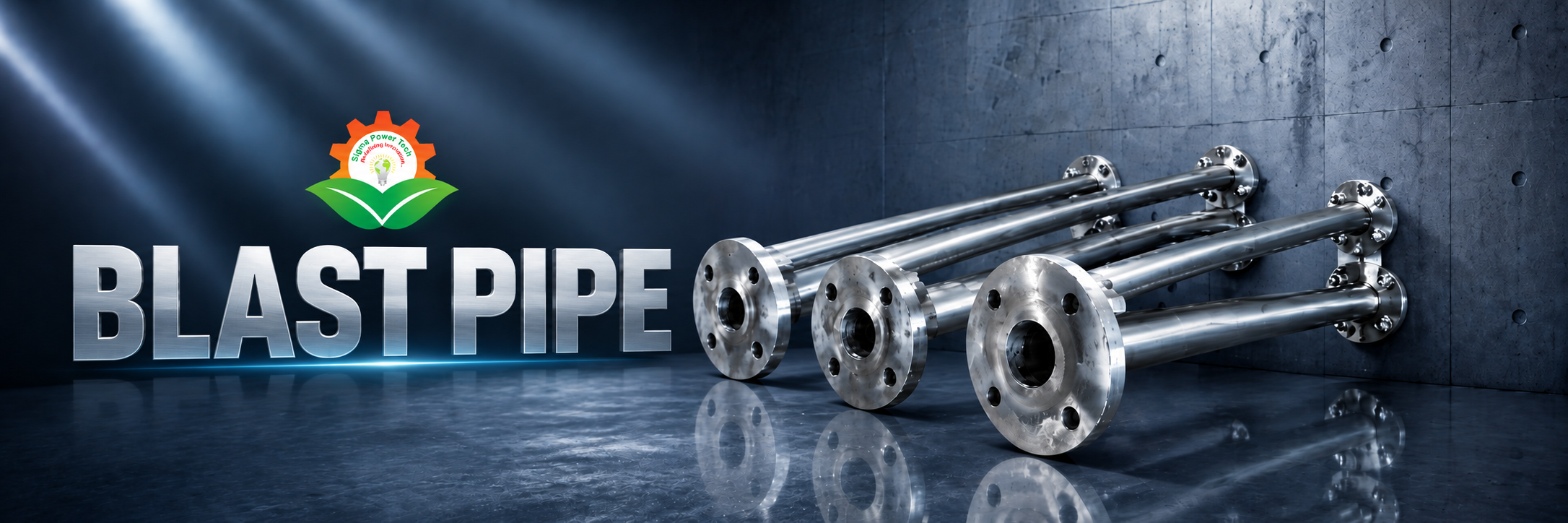
A defense operations center is undergoing its final safety inspection before becoming operational. The structure has reinforced walls, blast-resistant doors, and a protected ventilation system designed to withstand extreme pressure events. During the review, engineers closely examine each Blast Pipe passing through the protective walls. Even if the pipe appears robust, it must meet the appropriate engineering standards to ensure it performs reliably during an explosion. In high-risk projects, compliance with proven design principles is just as important as material strength.
For engineers working on defense facilities, power plants, refineries, or chemical processing units, understanding blast-resistant pipe standards is essential for delivering safe and resilient infrastructure.
What is a Blast Pipe?
A blast Pipe is a specially engineered steel component used where ventilation ducts pass through blast-resistant walls or protective structures. Unlike ordinary industrial piping, it is designed to resist the intense pressures generated during an explosion while maintaining the structural integrity of the surrounding wall.
A Blast Resistant Pipe reinforces ventilation penetrations, preventing them from becoming vulnerable points during a blast event. It also supports the safe operation of protected ventilation systems by maintaining airflow without compromising structural performance.
This combination of structural reinforcement and ventilation protection makes blast pipes an indispensable part of modern blast-resistant facilities.
How Blast Pipes Perform During Explosion Pressure
An explosion creates a high-speed pressure wave capable of damaging walls, ventilation ducts, and connected equipment. Standard industrial pipes are not engineered to manage these forces and may deform or fail under extreme loading.
A properly designed blast pipe exhaust absorbs and distributes blast loads across its reinforced steel construction. Instead of transferring concentrated pressure to the wall penetration, it spreads the force over a larger area, reducing stress and minimizing structural damage.
This engineered load distribution helps preserve the integrity of blast-resistant walls while protecting the ventilation network and improving post-blast operational continuity.
Engineering Features That Support Compliance
Meeting engineering standards requires more than using thicker steel. A blast-resistant pipe must combine structural design, manufacturing precision, and material quality.
Key features include:
- Reinforced heavy-duty steel construction
- High resistance to blast pressure and impact
- Optimized wall thickness for structural performance
- Precision fabrication for secure installation
- Corrosion-resistant protective coatings
- Long-term durability in demanding environments
- Compatibility with protected ventilation systems
A professionally engineered Sigma Power Tech Blast Pipe incorporates these principles to provide dependable performance for high-risk infrastructure projects.
Integration with Complete Blast Protection Systems
Blast-resistant pipes are designed to function as part of an integrated ventilation protection system.
They are commonly installed alongside:
- Blast valves that automatically isolate blast pressure
- Gas-tight valves that prevent contaminated air leakage
- CBRN filtration systems that remove hazardous airborne contaminants
- Protected HVAC and air handling equipment
Working together, these components maintain safe ventilation while protecting occupants, equipment, and infrastructure during blast and contamination events.
Where Blast Resistant Pipes Are Used
Blast-resistant pipes are installed wherever explosion risks require reinforced ventilation systems and protected structural penetrations.
Typical applications include:
- Military installations and defense facilities
- Underground bunkers and emergency shelters
- Nuclear power plants
- Thermal and hydroelectric generating stations
- Oil and gas facilities
- Chemical manufacturing plants
- Petrochemical refineries
- Government security infrastructure
- Critical industrial processing facilities
Each project requires engineering solutions that match the expected blast loads and operational requirements.
Factors That Affect Blast Pipe Pricing
Several engineering and manufacturing considerations influence the cost of a blast-resistant pipe.
Important pricing factors include:
- Steel grade and material quality
- Pipe diameter and overall dimensions
- Wall thickness
- Blast pressure rating
- Protective surface coatings
- Manufacturing tolerances
- Required testing and certification
- Project-specific customization
Although certified products often involve a higher initial investment, they provide greater reliability, improved lifecycle performance, and enhanced operational safety.
Choosing Reliable Blast Pipe Manufacturers in India
Selecting experienced Blast Pipe Manufacturers in India is critical for ensuring engineering quality and long-term reliability.
Before choosing a supplier, engineers should evaluate:
- Experience in blast protection engineering
- Advanced manufacturing capabilities
- Custom design and fabrication services
- Technical engineering support
- Compatibility with complete ventilation systems
- Quality assurance, documentation, and testing procedures
Working with an experienced manufacturer helps ensure the selected blast pipe meets both project specifications and performance expectations.
Common Mistakes Engineers Should Avoid
Several common procurement and design mistakes can reduce the effectiveness of blast-resistant ventilation systems.
Avoid:
- Installing standard industrial pipes instead of engineered blast-resistant components
- Ignoring reinforcement requirements for wall penetrations
- Selecting products based only on purchase price
- Overlooking compatibility with blast valves and filtration systems
- Failing to verify engineering specifications and testing documentation
- Excluding blast protection specialists from project planning
Addressing these issues early helps improve safety, compliance, and long-term system performance.
Improve Your Facility's Ventilation Safety
If your project includes protected structures, take time to review your facility's ventilation safety setup and confirm that every ventilation penetration meets appropriate engineering requirements.
You should also consider upgrading your blast protection systems when aging infrastructure no longer satisfies current operational demands.
To remain informed about protective ventilation technologies and evolving engineering practices, explore more safety insights before beginning your next project.
Conclusion
Blast-resistant pipe standards play a vital role in ensuring protected ventilation systems perform reliably during extreme explosion events. From reinforced construction and pressure resistance to precision manufacturing and seamless integration with blast valves, gas-tight valves, and CBRN filtration systems, every engineering detail contributes to facility safety and resilience.
Whether protecting military installations, nuclear facilities, chemical plants, refineries, or underground shelters, selecting a properly engineered Blast Resistant Pipe is essential for maintaining structural integrity and operational continuity. By working with experienced Blast Pipe Manufacturers in India and choosing trusted solutions such as the Sigma Power Tech Blast Pipe, engineers can build safer infrastructure that delivers dependable protection when it matters most.

 English
 Arabic
 French
 Spanish
 Portuguese
 Deutsch
 Turkish
 Dutch
 Russian
 Romaian
 Portuguese (Brazil)
 Greek