


Plant Based Product Market Growth Supported by Nutrition and Wellness Trends
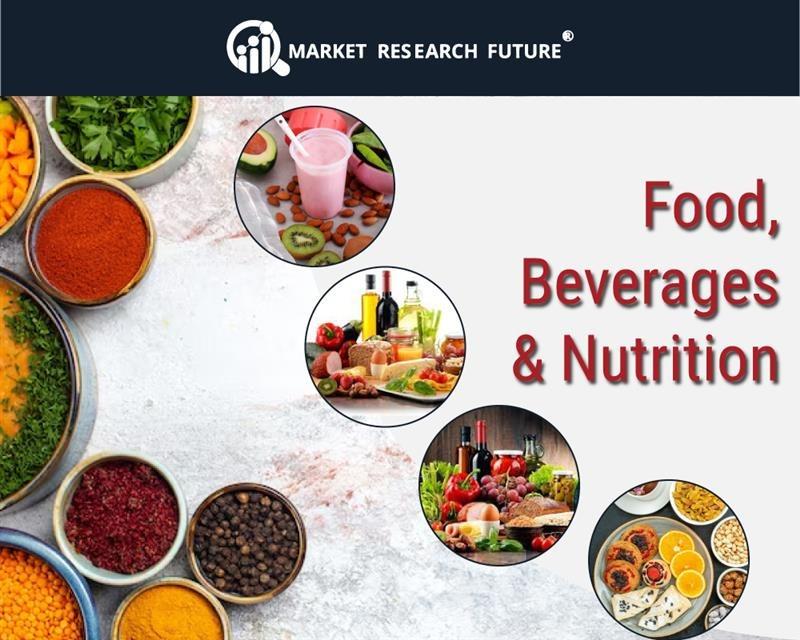
Nutrition and wellness have become important considerations in everyday food purchasing. Consumers are paying greater attention to ingredients, protein sources, dietary preferences, and the role of food in maintaining a balanced lifestyle. This shift is creating opportunities for plant-based products across beverages, dairy alternatives, meat substitutes, snacks, and packaged meals.
The expanding interest in plant-based nutrition products reflects demand for greater dietary variety and convenient alternatives. Products made from soy, peas, oats, almonds, lentils, and other plant ingredients can serve different nutritional purposes, depending on their formulation. As a result, manufacturers are exploring new recipes that combine appealing taste with useful nutritional characteristics.
The Role of Protein in Consumer Decisions
Protein has become a prominent consideration for consumers interested in fitness, active lifestyles, and balanced diets. Plant-based protein ingredients can be incorporated into beverages, powders, meat alternatives, snack bars, and prepared meals.
Soy and pea proteins are commonly used in alternative food formulations because of their functional properties and protein content. Other ingredients, including lentils, chickpeas, and beans, can also provide protein while contributing texture and flavor.
Consumers may compare products according to protein content, serving size, ingredient quality, and price. Clear nutritional labeling helps shoppers understand these differences and make informed decisions.
It is important to recognize that protein content varies significantly among products. A plant-based beverage, for example, may contain considerably less protein than a protein-fortified alternative. Reading the nutrition label is therefore essential when selecting products for specific dietary goals.
Dairy Alternatives and Everyday Wellness
Plant-based milk and yogurt alternatives are becoming familiar options for breakfast, beverages, cooking, and snacking. Almond, oat, coconut, and soy formulations provide different flavor profiles and functional characteristics.
These products can appeal to people seeking dairy-free options, including some individuals with lactose intolerance. Fortification with nutrients such as calcium and vitamin B12 can also be relevant when products are used as substitutes for conventional dairy foods.
Nevertheless, not every alternative contains the same nutrients as the food it replaces. Unsweetened varieties, fortified formulations, and products with adequate protein may serve different needs. Manufacturers that communicate these differences clearly can help consumers make better choices.
Clean Labels and Ingredient Transparency
Interest in ingredient transparency is encouraging consumers to examine sweeteners, additives, allergens, and processing information. Some shoppers prefer short ingredient lists, while others prioritize specific attributes such as added protein or fortified nutrients.
This creates opportunities for product developers to improve formulations without compromising safety, stability, taste, or affordability. Transparent packaging and understandable nutritional information can strengthen consumer confidence.
Challenges and Opportunities
One challenge is balancing nutritional benefits with sensory quality and cost. A product may have an appealing nutrition profile but struggle to attract repeat purchases if it lacks the taste or texture consumers expect.
Manufacturers also need to avoid unsupported health claims. Plant-based labeling alone does not guarantee that a product is low in sugar, high in protein, or nutritionally complete.
Future Outlook
Nutrition-focused innovation is likely to remain an important area of development. Products that offer clear benefits, enjoyable flavors, and practical everyday uses may attract consumers seeking flexible dietary choices.
Continued attention to formulation, fortification, transparency, and affordability can support the wider adoption of plant-based products.
FAQs
1. Are plant-based products always healthier?
No. Nutritional quality varies according to ingredients, processing, added sugar, sodium, protein content, and fortification.
2. Which plant ingredients are commonly used for protein?
Soy, peas, lentils, chickpeas, and other legumes are frequently used in plant-based foods and protein-rich formulations.
3. Why is fortification important in plant-based alternatives?
Fortification can help provide nutrients that may otherwise be present in lower amounts than in the conventional foods being replaced.

 English
 Arabic
 French
 Spanish
 Portuguese
 Deutsch
 Dutch
 Italiano
 Russian
 Romaian
 Portuguese (Brazil)
 Greek