


Ceramic Pots San Francisco – Stylish Durable Planters for Foggy Bay Area Gardens
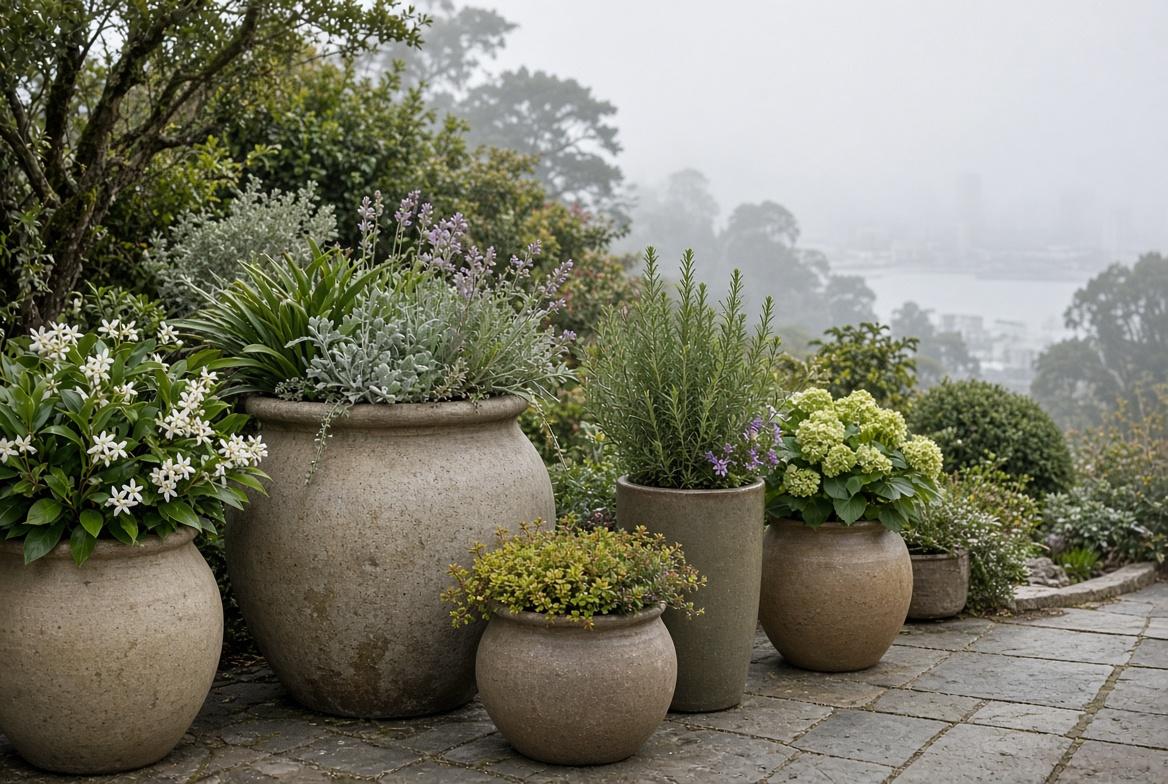
San Francisco’s distinctive microclimates, shaped by ocean proximity, rolling hills, and persistent coastal fog, create both opportunities and challenges for container gardening. Ceramic pots have long held a special place in this environment because they combine timeless beauty with practical performance.
Whether placed on a sun-drenched Mission District patio, a windy Sunset District rooftop, or a shaded Richmond balcony, these vessels help gardeners cultivate thriving plants while enhancing the visual character of urban outdoor spaces. Their natural materials and varied finishes respond thoughtfully to the city’s cool mornings, mild afternoons, and occasional summer heat spikes, making them a favored choice for residents who value both form and function.
The Appeal of Ceramic Pots in San Francisco’s Unique Climate
The city’s weather rarely experiences hard freezes, allowing high-quality ceramic planters to remain outdoors year-round in most neighborhoods. Glazed and unglazed ceramics regulate soil temperature more steadily than plastic or thin metal alternatives. On foggy mornings the material’s thermal mass helps keep roots from becoming overly chilled, while during clearer, warmer periods it prevents rapid overheating of the soil.
This buffering effect reduces plant stress and supports healthier root systems, especially important for Mediterranean herbs, citrus, succulents, and flowering annuals that flourish in the Bay Area. Wind is another constant factor, particularly on elevated decks and western exposures.
The substantial weight of ceramic pots provides natural stability, reducing the risk of tipping that lighter containers often face when gusts sweep through the streets or across open rooftops. In fog-prone zones the saturated colors of glazed finishes stand out against gray skies, adding warmth and visual interest to otherwise muted outdoor scenes.
Choosing the Right Ceramic Planters for Bay Area Homes
Selecting appropriate ceramic pots begins with understanding drainage and porosity. Unglazed terracotta breathes freely, promoting excellent aeration that benefits plants preferring drier conditions, such as lavender, rosemary, or many native California species. However, this same porosity means moisture evaporates more quickly, a consideration on windy or sunnier sites where more frequent watering may be needed.
Glazed ceramic options retain moisture longer and come in a wide spectrum of colors and textures that complement both traditional Victorian facades and contemporary loft architecture. Size matters greatly in container gardening. Larger vessels hold more soil volume, which acts as a moisture reservoir and provides greater root space, helping plants withstand the drying effects of coastal breezes.
For herbs and smaller flowering plants, pots fourteen to sixteen inches wide often perform well, while shrubs, dwarf citrus, or patio trees benefit from even more generous dimensions. Always confirm the presence of adequate drainage holes and consider elevating pots slightly on feet or stands so excess water can escape freely during the city’s winter rains, preventing waterlogging and potential root issues.
Benefits of Using Ceramic Pots for Container Gardening
Beyond climate suitability, ceramic planters offer aesthetic versatility that aligns with San Francisco’s diverse architectural styles. Warm earth tones and classic amphora shapes echo Mediterranean and Spanish Revival influences found throughout the city, while sleek cylindrical or geometric forms suit modern buildings and minimalist landscapes.
The material does not fade under ultraviolet exposure the way some synthetic options can, preserving its appearance over many seasons. Ceramic also encourages healthier plant growth by allowing limited gas exchange through the walls in unglazed varieties and by maintaining more consistent internal conditions overall.
Their durability means they resist warping and degradation that can affect lesser materials under repeated moisture and temperature cycles. For balcony and rooftop gardeners working with limited square footage, ceramic pots enable creative arrangements that maximize vertical interest and create microclimates by grouping containers together, which further moderates temperature and wind exposure.
Styles and Designs Suited to San Francisco Aesthetics
Local gardeners often favor pieces that feel intentional rather than purely decorative. Neutral and earthy glazes blend seamlessly with the city’s natural palette of eucalyptus, cypress, and coastal scrub, while bolder saturated hues can enliven foggy courtyards or create focal points against concrete and glass. Classic terracotta pairs beautifully with Mediterranean plantings and native species, whereas high-fired glazed stoneware offers refined surfaces ideal for contemporary settings.
Nested sets, wide bowls, tall cylinders, and sculptural urns allow for layered compositions that add depth to small spaces. In neighborhoods with stronger Asian garden influences, simpler dark or muted ceramics highlight maples, ferns, or bamboo effectively. The key is matching the pot’s character to both the plant’s cultural needs and the surrounding architecture so the overall composition feels cohesive rather than accidental.
Caring for Ceramic Pots in Foggy and Windy Conditions
Proper care extends the life of ceramic planters and supports plant health. Ensure drainage remains unobstructed and consider a well-draining potting mix amended with materials that improve aeration, particularly important during the wetter winter months. On windy exposures, group pots closely so they shelter one another and reduce individual moisture loss. During prolonged fog, monitor soil moisture carefully to avoid overwatering, as the cooler, damper air slows evaporation.
In sunnier microclimates, larger soil volumes and occasional mulch layers help retain moisture. High-quality pieces designed for outdoor use generally withstand the mild local winters without special protection, though elevating them and keeping drainage clear remains wise practice. Occasional rinsing with fresh water can remove salt residue that accumulates near the coast, preserving both the pot surface and plant health.
Residents seeking thoughtfully crafted ceramic and related garden vessels often turn to established local sources that understand Bay Area conditions. A Silvestri CO has long supplied quality planters and garden ornaments suited to the region’s climate and design sensibilities.

 English
 Arabic
 Spanish
 Portuguese
 Deutsch
 Turkish
 Dutch
Dutch
 Italiano
 Russian
 Romaian
 Portuguese (Brazil)
 Greek
Greek