


The Role of Oxygen Therapy in Supporting Patients With Chronic Lung Disease
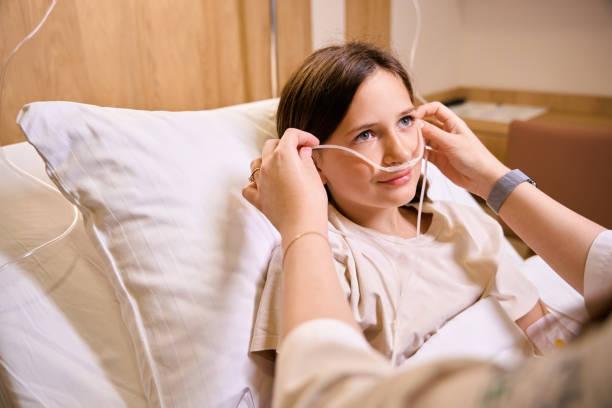
Living with chronic lung disease can make everyday activities challenging, particularly when breathing difficulties affect energy levels, sleep, and independence. Oxygen Therapy At Home In Dubai can provide prescribed respiratory support for eligible patients who have low blood oxygen levels, helping them manage their condition in familiar surroundings. With guidance from healthcare professionals and services such as Doctor at Home, patients may receive appropriate assessment, treatment advice, and follow-up without unnecessary disruption to their routines. Although oxygen therapy does not cure chronic lung disease, it can play an important role in managing certain conditions when medically indicated. Understanding how oxygen works, who may benefit, and how to use it safely can help patients and caregivers make informed decisions about long-term respiratory care.
Understanding Chronic Lung Disease and Low Oxygen Levels:
Chronic lung disease refers to a group of conditions that affect breathing and the lungs' ability to transfer oxygen into the bloodstream. Examples include chronic obstructive pulmonary disease (COPD), interstitial lung disease, and certain other long-term respiratory disorders. As these conditions progress, some patients may develop hypoxemia, which means the oxygen level in the blood is lower than normal. This can affect how well organs and tissues receive the oxygen they need to function. Symptoms may include breathlessness, fatigue, reduced exercise tolerance, and difficulty completing everyday activities, although symptoms alone cannot confirm low oxygen levels. Healthcare professionals may use pulse oximetry, blood gas testing, and other clinical assessments to determine whether supplemental oxygen is necessary. Not every person with chronic lung disease requires oxygen, and treatment should be based on an individualized medical evaluation rather than age, diagnosis, or breathlessness alone.
How Oxygen Therapy Supports Patients With Chronic Lung Disease:
Oxygen therapy delivers supplemental oxygen through equipment such as a nasal cannula or an appropriate mask, helping eligible patients maintain oxygen levels within a prescribed target range. For patients with chronic lung disease and confirmed long-term low oxygen levels, oxygen prescribed for extended periods may offer important health benefits. Depending on the underlying condition and severity of oxygen deficiency, treatment may reduce the effects of inadequate oxygen delivery to body tissues and support everyday functioning. Some patients may need oxygen during sleep, physical activity, or periods of rest, while others may require it for longer durations. The treatment plan should specify the prescribed flow rate, delivery method, and intended oxygen saturation range. Patients must understand that oxygen therapy supports oxygen levels but does not directly remove airway obstruction, reverse lung damage, or treat every cause of breathlessness. Ongoing management of the underlying condition remains essential.
Who May Benefit From Home Oxygen Therapy:
Home oxygen therapy may be recommended for patients whose clinical assessments show persistently low blood oxygen levels or who meet other specific medical criteria. Some people with advanced COPD or interstitial lung disease may qualify for long-term oxygen therapy, while others may need temporary or activity-related support under medical supervision. A healthcare professional considers oxygen measurements, symptoms, medical history, and the patient's overall condition before recommending treatment. Patients should ask whether their oxygen levels need to be reassessed after an illness or following a change in medication or health status. Potential signs that warrant medical evaluation include:
-
Breathlessness that is new, persistent, or worsening.
-
Unusual fatigue that interferes with daily activities.
-
Reduced ability to walk or perform routine tasks.
-
Low oxygen saturation readings when measured correctly.
-
Increased breathing difficulty during sleep or physical activity.
These symptoms do not automatically mean oxygen therapy is required. They may have several causes, so a proper clinical assessment is necessary before treatment begins.
Benefits of Receiving Prescribed Oxygen Therapy at Home:
For patients who qualify for oxygen treatment, receiving therapy at home can make ongoing respiratory care more convenient and comfortable. Familiar surroundings may help patients follow their treatment routine while remaining close to family members and caregivers. Home-based care can also reduce the need to travel solely for routine support, particularly for people whose breathing difficulties or mobility limitations make journeys tiring. Depending on the patient's condition and treatment plan, appropriate oxygen use may support daily activities, improve tolerance for certain forms of physical activity, or reduce symptoms associated with low oxygen levels. Key advantages may include:
-
Convenience: Access to prescribed oxygen in the home environment.
-
Daily routine support: Easier integration of treatment into sleep and activity schedules.
-
Caregiver involvement: Opportunities for family members to learn safe equipment handling.
-
Ongoing observation: Better awareness of changes that should be reported to a healthcare professional.
-
Personalized care: Coordination of oxygen use with other prescribed treatments and follow-up appointments.
The benefits vary by patient, and home oxygen therapy should always be guided by the individual's medical needs.
Choosing the Right Oxygen Equipment for Home Use:
The appropriate oxygen delivery system depends on the patient's prescription, mobility, lifestyle, and home environment. Oxygen concentrators draw oxygen from surrounding air and provide a continuous supply when powered, while oxygen cylinders store compressed oxygen and must be handled and secured carefully. Portable oxygen systems may help some patients remain mobile, but their suitability depends on the prescribed flow and the device's capabilities. Patients should consult their healthcare professional and oxygen supplier before selecting equipment. Important considerations include ease of operation, maintenance requirements, noise levels, available power, and backup arrangements in case of an interruption. Families should learn how to check connections, recognize equipment alarms, monitor available oxygen supplies where applicable, and contact the supplier if a device malfunctions. Equipment should never be modified or repaired without qualified assistance, and the prescribed oxygen flow must not be changed independently.
Using Oxygen Therapy Safely at Home:
Safety precautions are essential because oxygen supports combustion and can cause fires to burn more intensely. Patients and caregivers should keep oxygen equipment away from cigarettes, vaping devices, candles, open flames, and other ignition sources. Smoking must never occur near oxygen equipment or the person receiving treatment. Oxygen cylinders should be secured according to supplier instructions, while concentrators need adequate ventilation and a suitable power source. Tubing should be arranged to reduce tripping risks, particularly for older adults and people using mobility aids. Patients should also follow the manufacturer's guidance for cleaning and maintaining their equipment and avoid using oil-based products around oxygen equipment unless a healthcare professional confirms they are appropriate. Additional safety steps include:
-
Keep pathways clear of loose rugs, clutter, and electrical cords.
-
Store equipment in the recommended location.
-
Learn the correct response to equipment alarms or power interruptions.
-
Keep supplier contact details and emergency numbers accessible.
-
Ensure caregivers understand the prescribed oxygen settings.
Following these precautions helps make home oxygen treatment safer and easier to manage.
Combining Oxygen Therapy With Other Chronic Lung Disease Treatments:
Oxygen therapy is often one component of a broader respiratory care plan rather than a stand-alone treatment. Depending on the diagnosis, patients may also need prescribed inhalers, other medications, pulmonary rehabilitation, vaccinations, nutritional support, or strategies to avoid respiratory irritants. Patients should continue their other treatments as directed unless their healthcare professional advises otherwise. Pulmonary rehabilitation, when appropriate, can help improve exercise tolerance, confidence, and the ability to manage daily activities. Avoiding tobacco smoke and other known respiratory irritants is also important for lung health. Patients should ask their healthcare provider how oxygen therapy fits into their overall treatment plan and whether their medications, activity levels, or monitoring routine need review. Regular follow-up allows the clinical team to evaluate symptoms, assess oxygen requirements, and address concerns before they interfere significantly with daily life.
Monitoring Symptoms and Knowing When to Seek Medical Help:
Patients receiving oxygen therapy should understand both their prescribed oxygen saturation target and the symptoms that may indicate a change in their condition. A pulse oximeter can help estimate blood oxygen saturation, but readings may be affected by movement, poor circulation, cold fingers, nail products, and other factors. A normal reading does not always mean that a patient is medically stable, particularly when concerning symptoms are present. Patients should record readings as instructed and report persistent changes to their healthcare professional. Never increase or decrease the oxygen flow solely to correct a reading unless the individualized action plan explicitly directs you to do so. Sudden severe breathlessness, chest pain, fainting, new confusion, or bluish or grey lips requires emergency medical assistance. Timely clinical assessment is important when breathing difficulties worsen, oxygen readings repeatedly fall outside the prescribed range, or the patient experiences a significant change in usual functioning.
Final Thoughts.
Oxygen therapy can be an important part of care for patients with chronic lung disease who have medically confirmed low blood oxygen levels. When prescribed appropriately, it can support oxygen delivery and help eligible patients manage daily life more comfortably at home. The safest approach combines individualized medical guidance, suitable equipment, careful monitoring, fire prevention, and regular follow-up. Patients and caregivers should understand the treatment plan, recognize warning signs, and avoid changing oxygen settings without professional advice. With coordinated respiratory care and consistent attention to safety, home oxygen therapy can support patients in managing their condition while maintaining comfort, independence, and quality of life.

 English
 Arabic
 French
 Spanish
 Portuguese
 Deutsch
 Turkish
 Dutch
Dutch
 Italiano
 Russian
 Portuguese (Brazil)
 Greek
Greek