


How Can Buyers Plan Bulk Orders for Power Wrenches?
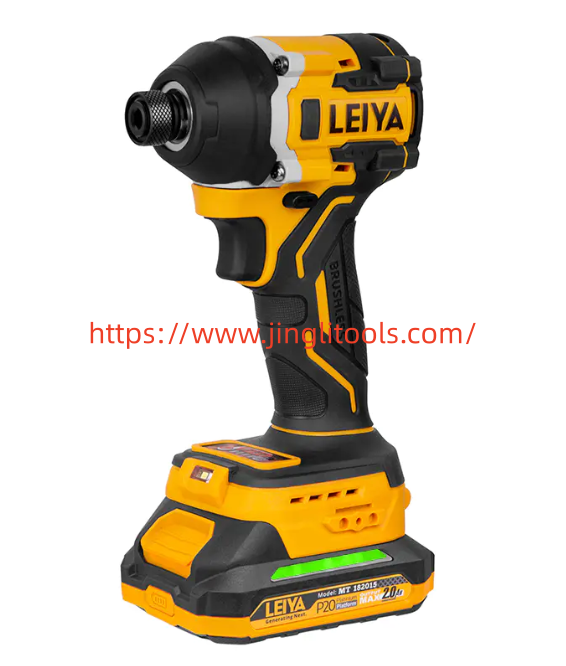
Power Wrenches are widely used in industrial assembly, automotive maintenance, machinery servicing, and other fastening applications. For importers, distributors, wholesalers, and equipment suppliers, purchasing in bulk involves several decisions beyond the quoted unit price. Product specifications, manufacturing consistency, order quantities, shipping arrangements, and after-sales support can all influence the purchasing process. A practical evaluation checklist helps buyers identify suitable products, communicate requirements clearly, and prepare orders that match their customers' applications.
Identify the Intended Application
Before requesting quotations, determine how the tools will be used. Automotive repair shops, construction contractors, assembly facilities, and industrial maintenance teams may require different configurations.
Consider the size and type of fasteners, required torque range, frequency of use, and available working space. The operating environment also matters. Dust, moisture, temperature, and accessibility can affect the suitability of a particular model.
Prepare a list of application requirements and share it with potential suppliers. This gives manufacturers a clearer understanding of the intended use and helps buyers compare relevant models instead of focusing only on appearance or price.
Compare Technical Specifications
Technical specifications are essential when evaluating products for bulk purchasing. Depending on the design, relevant details may include torque range, drive size, operating speed, weight, dimensions, and energy source.
Pneumatic tools require attention to operating air pressure and air consumption. Electric models may require verification of voltage, power supply, cable arrangements, or battery compatibility. Hydraulic tools may need to be assessed for pressure requirements and system compatibility.
Request specification sheets for the proposed models and check whether the listed parameters match the intended application. If several models appear similar, compare their accessories, maintenance requirements, and operating conditions before making a decision.
A comparison table can help purchasing teams organize information and communicate product differences to sales representatives and end customers.
Evaluate Samples Before Committing to Volume
Sample evaluation can help buyers identify practical concerns before approving a large order. Examine the tool housing, handle, controls, drive components, finish, and included accessories.
Where possible, conduct operational testing under conditions that reflect the intended application. Establish clear acceptance criteria before testing, including relevant dimensions, functional checks, and performance measurements.
For torque-sensitive tasks, use suitable calibrated equipment and follow the manufacturer's instructions. A product's external appearance alone does not establish its functional performance.
After approving a sample, document the model number, specifications, accessories, packaging, and any agreed modifications. Keep these records for comparison with the production batch. A documented approval process can also reduce disagreements about product configuration and acceptance requirements.
Review Manufacturing and Quality Control Procedures
For bulk orders, consistency across production batches deserves careful attention. Buyers should ask how incoming components are inspected, how assembly quality is monitored, and what functional checks are performed before products are packed.
Depending on the product, additional questions may cover batch identification, inspection records, test reports, and procedures for handling nonconforming items.
When discussing an order with jinglitools, clarify which inspection procedures apply to the selected models and what documentation is available. If your destination market requires particular certifications or compliance documents, confirm the applicable requirements before placing the order.
Written quality criteria provide a shared reference for the buyer and manufacturer. They can also support more consistent purchasing decisions when the same model is ordered again.
Calculate the Full Cost of a Bulk Purchase
A quotation should be evaluated in the context of the total purchasing cost. In addition to unit prices, buyers may need to account for samples, customized packaging, labeling, transportation, insurance, import duties, and local distribution.
Ask suppliers to specify the product model, quantity, currency, payment terms, delivery conditions, and quotation validity. For customized orders, confirm whether logo printing, packaging design, or additional accessories involve extra charges.
Compare offers only when the specifications and commercial terms are sufficiently similar. A lower quotation may cover a different configuration or exclude services included in another offer.
Calculating the estimated landed cost helps importers prepare realistic budgets, evaluate resale pricing, and plan stock levels according to expected demand.
Confirm Order Quantities and Delivery Schedules
Bulk purchasing requires coordination between production planning and inventory management. Before confirming an order, ask about minimum order quantities, production lead times, and the availability of different models.
If the order includes customized products, establish a schedule for sample approval, artwork confirmation, labeling, and packaging. Clarify when production begins and how changes to the schedule will be communicated.
Shipping arrangements also require attention. Confirm the destination, delivery terms, required documents, and responsibilities for transportation and customs-related procedures.
For time-sensitive projects, allow sufficient time for manufacturing, transit, customs clearance, and receiving inspections. A written delivery schedule helps purchasing teams coordinate incoming stock with customer commitments.
Check Warranty and Spare Parts Arrangements
After-sales support can influence the long-term management of an industrial tool inventory. Before purchasing, review warranty coverage, exclusions, claim procedures, and the availability of replacement parts.
Ask whether maintenance instructions, accessories, and commonly replaced components are available for the selected models. Distributors can use this information to prepare service procedures and respond more effectively to customer questions.
Also confirm the process for reporting damaged shipments, missing accessories, or products that do not meet agreed specifications. Clear communication about these situations helps both parties understand their responsibilities.
Prepare Your Next Industrial Tool Order
Before approving a bulk purchase, organize the essential details into a written checklist covering technical specifications, sample approval, inspection requirements, pricing, shipping, and warranty arrangements. Share the checklist with the manufacturer and verify that the final quotation reflects the agreed requirements. This process helps distributors compare offers consistently and plan inventory around actual customer demand. If you are reviewing products for an upcoming purchase, visit https://www.jinglitools.com/product/ to view available industrial tool options and contact jinglitools about model specifications, order quantities, customization options, and delivery arrangements.

 English
 Arabic
 Spanish
 Portuguese
 Deutsch
 Turkish
 Dutch
Dutch
 Italiano
 Russian
 Romaian
 Portuguese (Brazil)
 Greek
Greek