


Ball Valve Ball: Which Details Should Buyers Check?
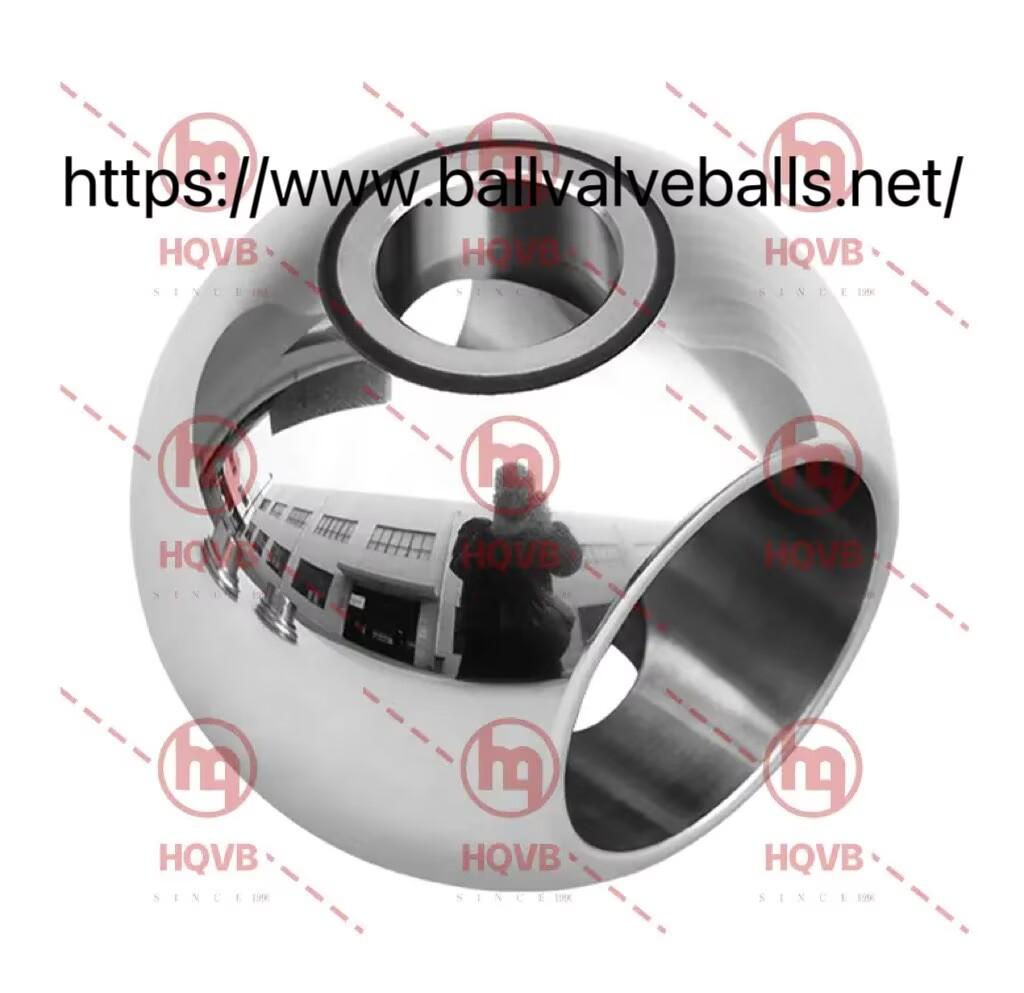
Ball Valve Ball selection involves more than confirming a diameter and requesting a price. Buyers need to consider material compatibility, dimensional requirements, surface condition, machining features, and inspection expectations before placing an order. These details affect how the component fits its mating parts and whether it meets the intended equipment specifications. For manufacturers and purchasing teams, a clear technical inquiry helps reduce misunderstandings and makes supplier quotations easier to compare.
Confirm the Application and Technical Drawing
Begin by identifying the equipment in which the component will be installed. Operating pressure, temperature, fluid characteristics, and service conditions help determine the required material and manufacturing specifications. A part intended for clean water service may have different requirements from one exposed to corrosive chemicals or abrasive media.
A current technical drawing should identify the outside diameter, port dimensions, connection features, slots, grooves, and other machined details. Buyers should also specify tolerances for critical dimensions rather than relying on general descriptions such as precision machining.
If an existing component is being replaced, provide its drawing and revision number whenever possible. Physical samples and photographs can offer additional reference, but they should not replace written dimensional requirements. Confirming these details before production helps the manufacturer assess machining operations and identify questions that need clarification.
Choose Materials According to Working Conditions
Material selection should reflect the fluid, temperature range, corrosion exposure, and mechanical demands of the application. Stainless steel grades are commonly considered for equipment requiring corrosion resistance, while carbon steel and specialized alloys may suit other operating environments.
However, material names alone do not establish suitability. Buyers should confirm the exact grade, applicable material specification, heat treatment requirements where relevant, and compatibility with the mating seat and process medium.
For demanding service conditions, ask the engineering team or equipment designer to confirm the proposed material against the actual operating parameters. If material traceability is required, state whether material certificates or other identification records must accompany the order.
Clear material requirements help manufacturers select appropriate raw stock and establish the relevant inspection procedures before machining begins.
Review Dimensional Accuracy and Surface Condition
The spherical surface must correspond to the design requirements of the complete assembly. Diameter variation, roundness, surface roughness, and the relationship between the sphere and its port can affect fit, movement, and contact with the mating seat.
Buyers should identify which dimensions are critical to function and request inspection against those requirements. Depending on the drawing, suitable measurement equipment may include precision gauges, dimensional measuring instruments, and surface roughness testers.
Surface finish deserves particular attention because visible scratches, machining marks, or uneven polishing may indicate that further evaluation is necessary. The acceptance criteria should specify the required finish and how it will be assessed.
Rather than requesting an undefined level of precision, provide measurable limits for critical features. This gives the manufacturer a practical basis for production planning, inspection, and quotation preparation.
Ask How Quality Is Verified
A manufacturing process should include checks appropriate to the drawing and purchase specification. Depending on the component, these may cover incoming material, machining dimensions, surface condition, marking, and final inspection.
Before ordering, ask which inspection records are available and whether the order requires material certificates, dimensional reports, or additional testing. Not every project needs the same documentation, so the requirements should be agreed before production starts.
For custom components, it is also useful to establish how drawing revisions and approved changes will be controlled. If a dimension or material requirement changes after the quotation, both parties should confirm the updated specification before work continues.
This communication helps connect the delivered parts with the agreed technical requirements and provides a clearer basis for incoming inspection.
Compare Quotations Beyond the Unit Price
A quotation should describe the component being supplied, not merely list a price. Check whether the material grade, drawing revision, quantity, machining features, inspection requirements, and packaging arrangements match your inquiry.
Delivery terms and production schedules also deserve attention. If the order includes custom tooling, special finishing, or additional inspection, ask whether those requirements are included in the quoted scope.
When comparing suppliers, use the same technical specification for each inquiry. Otherwise, differences in price may reflect different tolerances, documentation, finishing operations, or exclusions rather than a direct difference in manufacturing cost.
Buyers should also discuss sample approval, acceptable deviations, and procedures for handling nonconforming parts when these matters are relevant to the project. Resolving them before order confirmation helps both sides establish realistic expectations.
Prepare a Clear Inquiry for Custom Manufacturing
A useful inquiry includes the drawing, material grade, target quantity, critical tolerances, surface requirements, operating conditions, and requested delivery schedule. If some details remain undecided, identify them clearly so the manufacturer can explain what additional information is needed.
For recurring orders, maintaining an approved drawing and consistent inspection criteria can support communication between purchasing, engineering, and production teams. It also makes later quotations easier to compare when specifications remain unchanged.If you are sourcing components for a new project or looking for a manufacturing partner for repeat orders, ballvalveballs can be contacted to discuss product dimensions, material requirements, machining details, and customized specifications. Visit https://www.ballvalveballs.net/ with your drawing and purchasing requirements.

 English
 Arabic
 French
 Spanish
 Portuguese
 Turkish
 Dutch
Dutch
 Italiano
 Russian
 Romaian
 Portuguese (Brazil)
 Greek
Greek