


Female Hair Transplant in Dubai for Women With Oily Scalps
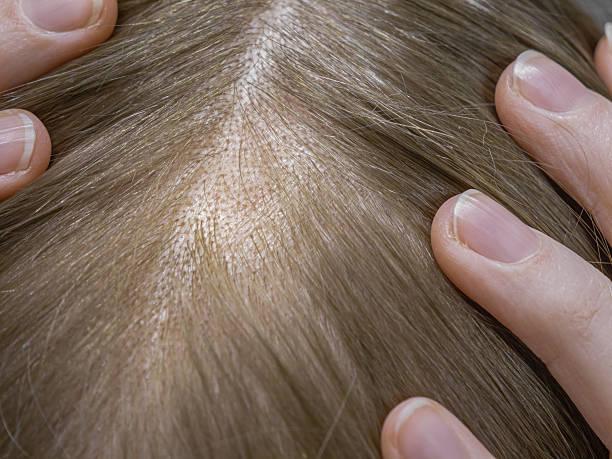
An oily scalp can make hair appear flatter, cause strands to separate into small sections, and make thinning more noticeable. Women experiencing persistent hair loss may consider Female Hair Transplant in Dubai, but excess oil alone does not establish whether surgery is necessary or appropriate.
The key consideration is the health of the scalp and the cause of the thinning. Sebum, the natural oil produced by sebaceous glands, helps protect the skin and hair. However, persistent irritation, scaling, or inflammation may require assessment before an elective procedure is planned. A personalised evaluation can help distinguish ordinary oiliness from a scalp condition that needs treatment.
Why an Oily Scalp Can Make Hair Look Thinner
Oil can cause strands to clump together, leaving more of the scalp visible between them. This can create the impression of reduced volume even when the number of follicles has not changed.
An oily scalp may occur naturally or alongside other factors, including hair-care routines and certain scalp conditions. It does not automatically cause permanent hair loss.
Possible explanations for a thinner-looking appearance include:
-
Strands separating because of excess oil.
-
Fine hair that provides less visual coverage.
-
Pattern hair loss affecting follicle density.
-
Hair breakage or changes in styling habits.
-
A scalp condition associated with scaling or inflammation.
If the hair density has genuinely decreased, a clinician may need to investigate the cause rather than assuming that oiliness explains the change.
Female Hair Transplant in Dubai and Scalp Evaluation
Before transplantation, the scalp should be examined for its general condition, the pattern of hair loss, and any signs that require treatment. Oily skin alone may not prevent a procedure, but active inflammation or an untreated scalp condition may affect the timing and planning.
The assessment may cover:
-
How long the scalp has been oily.
-
Whether itching, redness, flaking, or soreness is present.
-
The pattern and progression of hair thinning.
-
Current scalp-care products and treatments.
-
The condition of the donor and recipient areas.
-
Any previous diagnosis of a scalp disorder.
Where symptoms suggest a medical issue, further assessment may be appropriate before surgery is considered.
Distinguishing oiliness from an inflammatory scalp condition
Some scalp conditions can cause both oiliness and irritation. For example, seborrhoeic dermatitis may involve greasy scaling and redness. Other conditions can produce overlapping symptoms, so appearance alone is not enough to establish a diagnosis.
If you experience persistent itching, substantial flaking, tenderness, or sores, seek appropriate medical advice. Treatment of the underlying condition may need to come before elective hair restoration.
Does Excess Oil Affect Donor-Hair Quality?
Oiliness by itself does not determine whether donor follicles are suitable. The clinician needs to assess the donor region's density, the distribution of hair, the characteristics of the follicles, and the health of the surrounding skin.
The amount of available donor hair also influences how much coverage may be achievable. Transplantation relocates existing follicles, so the donor supply must be preserved and used carefully.
If the hair loss is diffuse or the donor region is affected by an underlying condition, the clinician may recommend additional evaluation. The treatment plan should reflect the actual findings rather than relying on scalp oiliness as the main deciding factor.
Preparing the Scalp Before Treatment
Patients should follow the clinical team's instructions about washing and preparing the scalp before surgery. Do not try to remove all natural oil through aggressive scrubbing or frequent use of harsh products, as this may irritate the skin.
A practical approach may include:
-
Using a gentle cleanser suited to your scalp, where appropriate.
-
Avoiding products that cause burning, itching, or redness.
-
Telling the clinician about medicated shampoos and topical treatments.
-
Reporting any new scalp symptoms before the procedure.
-
Following the clinic's specific preoperative hygiene instructions.
If you use prescription scalp treatments, ask the treating clinician whether and how they should be continued around the procedure. Do not change prescribed treatment independently.
Aftercare for Women With Oily Scalps
After transplantation, the scalp needs time to heal. Redness, scabbing, tenderness, and temporary shedding may occur, and the aftercare routine should protect the treated areas during recovery.
Follow the instructions provided for washing, drying, and using scalp products. Avoid vigorous rubbing, picking at scabs, or applying unapproved oils and treatments to healing skin.
An oily scalp does not justify washing more aggressively than recommended. If the scalp becomes increasingly painful, swollen, hot, or develops discharge, contact the treating team for advice.
Once the scalp has healed, a regular cleansing routine suited to your skin type may help maintain comfort. The appropriate frequency varies by person and should not replace assessment of persistent symptoms.
When a Hair Transplant May Not Be Appropriate Yet
Transplantation may need to be postponed if the scalp has active inflammation, an unclear diagnosis, or a condition that could compromise the treatment plan. It may also be unsuitable when donor supply is insufficient or the hair loss is still changing unpredictably.
A clinician may recommend treating a scalp condition, monitoring the pattern, or considering medical management before discussing surgery. The decision depends on the expected benefit, potential risks, and the patient's individual circumstances.
Hair transplantation carries risks, including infection, scarring, temporary shedding, poor graft growth, and results that differ from expectations. These should be reviewed during consultation.
Frequently Asked Questions
Does an oily scalp cause permanent hair loss?
Not necessarily. Oiliness can make strands clump and the scalp appear more visible, but persistent thinning may have another cause. A clinical assessment can help distinguish cosmetic appearance from actual follicle loss.
Can I have a hair transplant if my scalp is oily?
Possibly. Suitability depends on scalp health, the cause of hair loss, and donor availability. If inflammation or another scalp condition is present, it may need attention first.
Should I wash my hair more often before surgery?
Follow the preoperative instructions provided by your clinic. Excessive washing or harsh scrubbing can irritate the scalp and is not a substitute for appropriate clinical preparation.
Can I use scalp oils after a transplant?
Do not apply oils or other unapproved products to healing areas without the treating clinician's permission. Aftercare recommendations depend on the procedure and the progress of healing.
Individual Hair Restoration Planning at Tajmeels Clinic
Women with oily scalps and persistent thinning should have both scalp health and hair density assessed before deciding on treatment. Tajmeels Clinic can discuss the factors involved in hair restoration and help clarify the considerations that may affect individual suitability.
Learn more about the Female Hair Transplant in Dubai service and the assessment process.
Clinic note: Scalp oiliness alone does not determine transplant suitability. Persistent irritation, scaling, or unexplained thinning should be assessed so that any underlying condition can be addressed before elective surgery.

 English
 Arabic
 Spanish
 Portuguese
 Deutsch
 Turkish
 Dutch
Dutch
 Italiano
 Russian
 Romaian
 Portuguese (Brazil)
 Greek
Greek