


Female Hair Transplant in Dubai for Hereditary Hair Loss
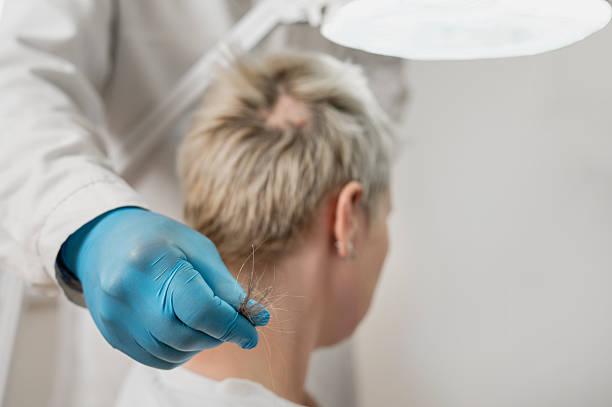
A family history of thinning hair can raise concerns about future hair density, especially when the frontal hairline or central part begins to look less full. A Female Hair Transplant in Dubai may be an option for selected women with hereditary hair loss, but the right approach depends on the cause, progression, scalp condition, and availability of suitable donor hair.
Female pattern hair loss can develop gradually and may affect the central part, crown, or broader top of the scalp. Some women notice similar changes in their mothers, sisters, or other relatives, while others experience thinning without an obvious family history. Genetics can contribute to the pattern, but family history alone cannot determine whether transplantation is appropriate.
At Tajmeels Clinic, the assessment should focus on understanding the individual pattern of loss and whether the available donor hair can support a natural-looking, medically appropriate treatment plan.
How Hereditary Hair Loss Develops in Women
Hereditary hair loss is influenced by genetic factors that can affect how hair follicles behave over time. In female pattern hair loss, affected follicles may gradually produce finer, shorter hairs, leading to reduced coverage rather than a clearly defined bald area.
Common signs can include:
-
A widening central part.
-
Reduced density across the top of the scalp.
-
A less full crown.
-
A gradual reduction in the volume of a ponytail.
-
More visible scalp under bright lighting.
These changes do not always mean a hair transplant is needed. Similar symptoms can occur with nutritional deficiencies, thyroid disorders, medication-related shedding, hormonal changes, and other scalp conditions. A clinical assessment helps distinguish between these possibilities.
Female Hair Transplant in Dubai and Family History
Family history is useful information during a hair restoration consultation, but it is only one part of the evaluation. A relative's pattern of hair loss does not necessarily predict the exact areas a woman will lose hair or how quickly her condition may progress.
A specialist may ask when thinning first appeared, whether it has changed recently, and whether other relatives experienced gradual thinning or more extensive hair loss. Previous treatments, medical history, and current shedding patterns may also be relevant.
Why future hair loss matters
Transplanted follicles may continue growing, but existing non-transplanted hair can remain vulnerable to the underlying process responsible for hereditary thinning. If that process continues, the contrast between transplanted and surrounding hair may become more noticeable over time.
For this reason, treatment planning should consider both the areas that appear thin now and the possibility of future changes. The aim is not simply to fill today's visible gaps but to make a responsible plan for long-term hair distribution.
Assessing Donor Hair Before Treatment
Donor hair is usually taken from an area of the scalp where follicles are more resistant to the pattern of loss. However, the donor region must be examined carefully, particularly in women with diffuse thinning that extends beyond the crown or frontal scalp.
The consultation may evaluate:
-
Density and thickness in potential donor areas.
-
Whether thinning affects the back and sides of the scalp.
-
Scalp health and signs of inflammation.
-
The amount of coverage that may be achievable without overharvesting.
-
The relationship between the requested hairline and the available donor supply.
If the donor region is also significantly affected, transplantation may not be suitable. A conservative plan is preferable to moving follicles from an area that cannot safely provide them.
Medical Management and Hair Transplantation
For some women, medical management may be recommended before surgery or alongside a longer-term restoration plan. The appropriate option depends on the diagnosis, medical history, contraindications, and clinician advice.
A treatment plan may involve evaluating reversible contributors to shedding, considering suitable medical therapies, and monitoring changes in hair density. Transplantation is generally considered when the pattern of loss and donor supply make it a reasonable option—not simply because hereditary hair loss runs in the family.
Women experiencing rapid shedding or a sudden change in density should be assessed for underlying causes before elective hair restoration is considered.
Designing a Natural-Looking Result
Hereditary thinning often affects a broad area rather than one isolated patch. The planning process therefore needs to balance the desired coverage with the amount of donor hair available.
Density and distribution
A clinician assesses which areas would benefit most from added coverage. Concentrating too much donor hair in one small region may limit options for other areas later, so priorities should be discussed carefully.
Hair direction and transitions
Hair follicles must be placed in a pattern that works with the existing growth direction. The transition between transplanted and native hair is particularly important around the frontal region, where an overly dense or sharply defined hairline may look unnatural.
Realistic expectations
A transplant redistributes existing follicles; it does not create an unlimited supply of new hair. The likely degree of coverage depends on donor quality, the size of the treatment area, individual healing, and the continuing condition of surrounding hair.
Recovery and Long-Term Planning
Recovery varies by procedure and individual circumstances. Patients should follow their treating team's instructions regarding scalp care, activity, washing, and follow-up visits. Early shedding of transplanted hairs can occur before new growth develops, so the initial appearance should not be treated as the final outcome.
Long-term follow-up is valuable for monitoring both transplanted and existing hair. The clinician may recommend reassessment if thinning continues or if the treatment plan needs adjustment.
Frequently Asked Questions
Does hereditary hair loss mean I need a transplant?
No. Some women benefit from medical management or treatment of underlying causes. Surgery is considered only when the clinical findings support it.
Can a hair transplant prevent future hereditary thinning?
No. Transplantation moves selected follicles into another area but does not stop the underlying process from affecting other hair.
Is family history enough to determine my suitability?
No. Donor density, the pattern of loss, scalp health, medical history, and the stability of the condition all matter.
Can women with diffuse thinning undergo transplantation?
Some may be candidates, but diffuse thinning can affect donor areas as well. Careful examination is necessary before a recommendation is made.
Clinic note: A family history of hair loss is a reason to seek an informed assessment, not a guarantee that surgery is needed or suitable.
Discuss Your Hair Restoration Options at Tajmeels Clinic
If hereditary thinning is affecting your confidence, a personalised assessment can help clarify whether medical management, transplantation, or a combination of approaches deserves consideration. Tajmeels Clinic can evaluate your hair-loss pattern, donor area, and restoration goals before recommending a plan.
Explore the Female Hair Transplant in Dubai service to learn more and arrange a consultation based on your individual needs.

 English
 Arabic
 French
 Spanish
 Portuguese
 Deutsch
 Turkish
 Dutch
Dutch
 Italiano
 Russian
 Romaian
 Greek
Greek