


Food Help for Gaza UK – Deliver Essential Nutrition & Support Families Today
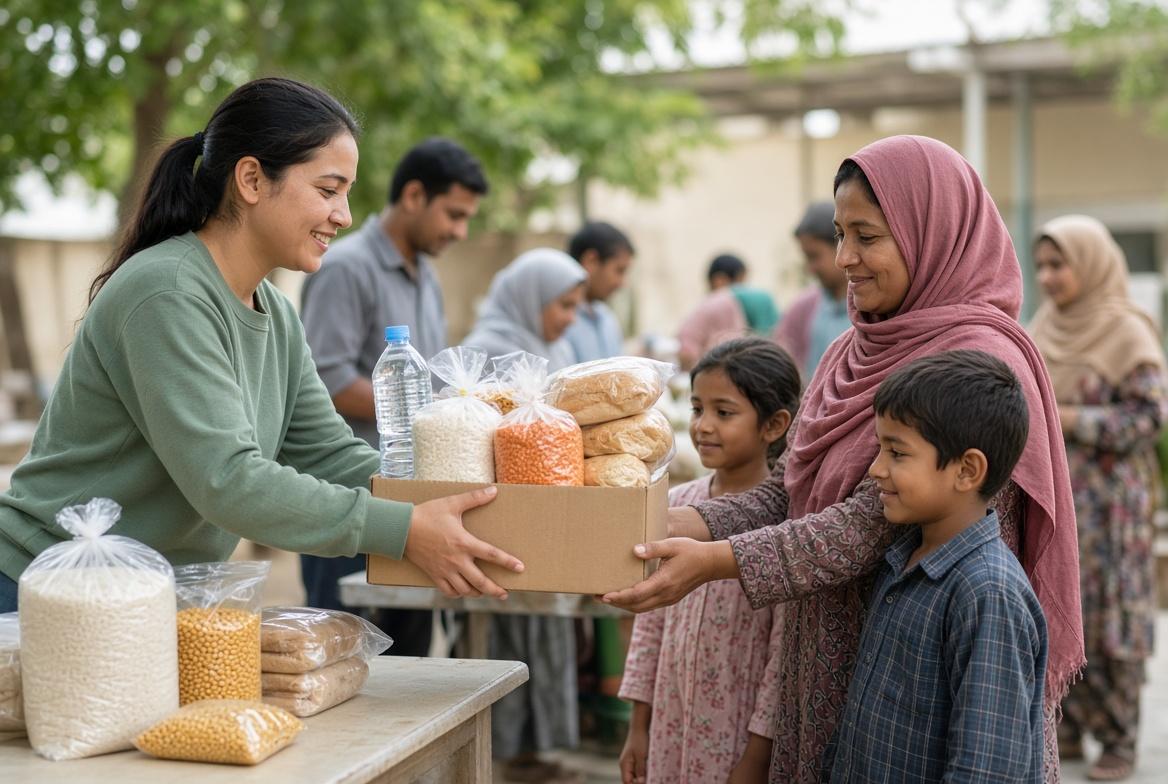
The ongoing humanitarian situation in Gaza has created an urgent need for reliable food assistance, drawing attention from communities across the United Kingdom who wish to contribute meaningfully to relief efforts. Food help for Gaza from the UK focuses on delivering essential nutrition to families facing severe shortages of basic supplies, including staples such as flour, rice, cooking oil, lentils, and fortified foods that support both children and adults. Understanding these elements helps supporters recognise that effective food help involves more than donations; it requires coordinated logistics, partnerships with local distribution networks, and compliance with international humanitarian principles.
Understanding the Scale of Food Insecurity in Gaza
Gaza’s population has experienced prolonged periods of restricted movement of goods, damage to infrastructure, and limited agricultural capacity, all of which have intensified food insecurity. Many households now rely on external assistance for daily meals because local markets cannot consistently supply adequate quantities of affordable, nutritious food.
Reports from humanitarian observers describe rising rates of malnutrition among children under five, pregnant women, and elderly residents, conditions that can have lasting developmental and health consequences. Food help for Gaza UK initiatives therefore prioritise items that address both immediate hunger and longer-term nutritional gaps, such as vitamin-enriched biscuits, ready-to-use therapeutic foods, and culturally appropriate dry goods that can be prepared with minimal fuel or clean water. By framing the response around measurable outcomes like daily calorie intake and reduced wasting rates, UK-based efforts align with broader global goals of preventing famine and protecting vulnerable groups.
How Support Originating in the United Kingdom Reaches Gaza
Channels for food help for Gaza from the UK typically involve established humanitarian organisations that maintain relationships with implementing partners on the ground. These partnerships enable the transfer of funds or goods through verified routes, sometimes involving neighbouring countries that facilitate temporary storage and onward transport. UK donors often prefer mechanisms that convert monetary contributions into food parcels or bulk commodities purchased closer to the region, thereby reducing shipping costs and delivery times.
Transparency remains essential: supporters look for clear reporting on the number of families reached, the composition of each food package, and independent monitoring of distribution. When logistical constraints arise, such as temporary border closures or heightened security measures, adaptive strategies become necessary, including the use of pre-positioned stocks or alternative nutrient-dense products that travel more easily.
The Practical Importance of Sustained Food Assistance
Emergency food distributions provide immediate relief, yet sustained programmes are equally critical because recovery from acute hunger takes time. Children who receive regular meals show improved concentration and school attendance when education services resume, while adults regain the physical strength needed for daily tasks and eventual livelihood activities. Food help for Gaza UK also intersects with water, sanitation, and health interventions, since clean water is required to prepare many food items safely and prevent disease outbreaks that compound malnutrition.
Organisations design packages with shelf-stable ingredients that require little refrigeration, acknowledging limited electricity and cooking fuel in many areas. Over successive months, consistent supply reduces the need for negative coping strategies such as selling remaining assets or reducing meal frequency, both of which deepen long-term vulnerability. By emphasising continuity rather than one-off shipments, UK-supported efforts contribute to stabilising household food security even amid fluctuating conditions.
Community Engagement and Awareness Within the United Kingdom
Public interest in food help for Gaza has grown through community events, workplace fundraising, and digital campaigns that highlight personal stories of families receiving assistance. Educational materials explain the difference between general humanitarian appeals and specifically targeted nutritional programmes, helping potential donors understand the unique value of food-focused support.
Faith groups, student societies, and local councils across Britain have organised collection drives for non-perishable items or cash appeals timed to coincide with seasonal needs, such as increased demand during colder months or religious festivals. Media coverage and social platforms amplify verified information while countering misinformation that can undermine trust. Clear, factual communication builds confidence and encourages repeat engagement rather than one-time contributions.
Long-Term Considerations for Food Security and Recovery
Beyond crisis response, discussions around food help for Gaza UK increasingly address the foundations of future food systems. Rehabilitating damaged farmland, restoring fishing capacity where possible, and supporting small-scale food processing can reduce dependence on external supplies over time. International frameworks stress the importance of linking emergency aid to early recovery activities so that communities regain self-reliance.
UK-based advocates often call for policies that protect humanitarian access and facilitate the unimpeded movement of commercial and aid-related foodstuffs. Monitoring indicators such as market prices for staple goods, household dietary diversity scores, and the functionality of local bakeries or mills provides data that guides programme adjustments.
When food assistance is paired with livelihood support, families can begin transitioning from pure dependency toward mixed strategies that include limited local production or income generation. This integrated perspective strengthens the overall impact of every contribution originating from the United Kingdom.
Role of Coordinated Humanitarian Action
Effective food help depends on coordination among United Nations agencies, international non-governmental organisations, and local civil society groups that understand community priorities. Joint needs assessments identify priority geographic areas and demographic groups, ensuring resources are not duplicated in some locations while others remain underserved.
Standardised food baskets promote equity and cultural acceptance, while real-time feedback mechanisms allow recipients to report shortages or quality issues. UK supporters benefit from this collective approach because it multiplies the reach of individual donations through shared logistics and expertise. Continuous learning from past operations refines future responses, making each successive round of food assistance more efficient and responsive.

 English
 Arabic
 French
 Spanish
 Portuguese
 Deutsch
 Turkish
 Dutch
Dutch
 Russian
 Romaian
 Portuguese (Brazil)
 Greek
Greek