


Relief Funds for Gaza UK: Supporting Humanitarian Needs Through Trusted Channels
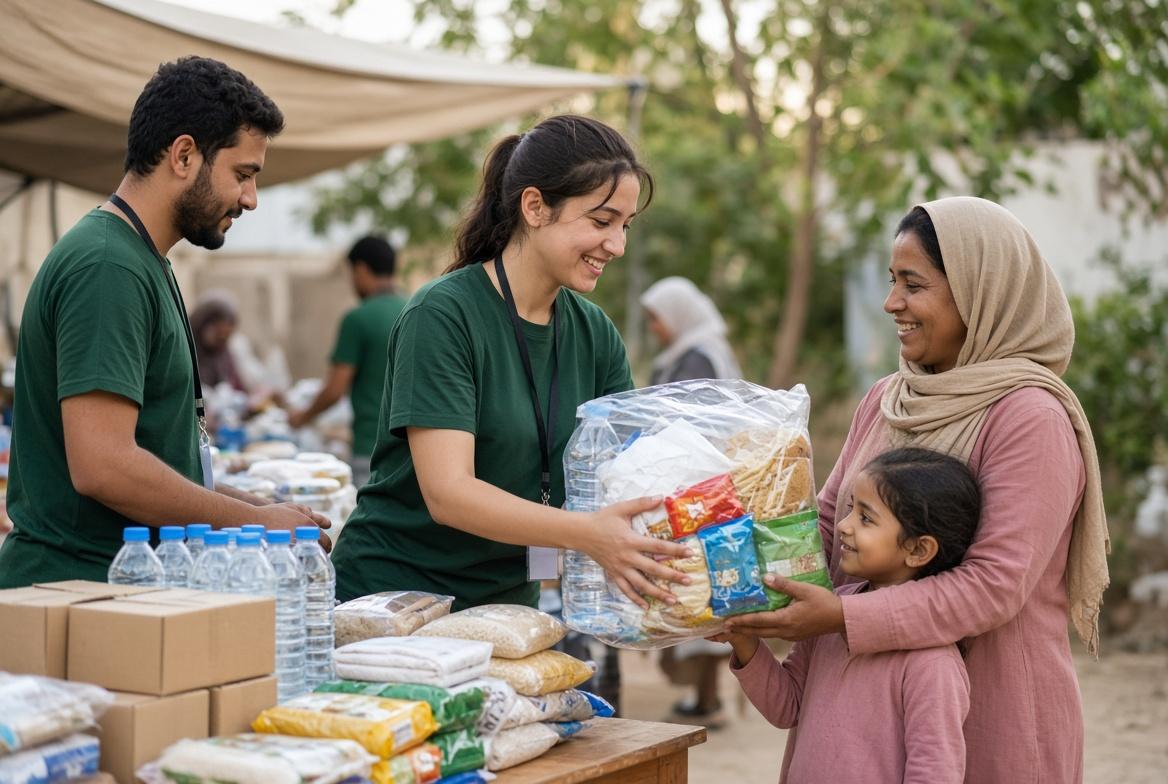
The ongoing humanitarian crisis in Gaza continues to demand urgent attention from communities across the United Kingdom. Despite a ceasefire agreement reached in October 2025, the people of Gaza face profound challenges including widespread displacement, limited access to clean water, food insecurity, damaged healthcare infrastructure, and the need for basic shelter and medical care.
Relief funds channelled from the UK play a critical role in addressing these immediate and longer-term needs by enabling the delivery of essential supplies and services through established humanitarian networks. Understanding how these funds operate, the scale of requirements on the ground, and the pathways available for British donors helps ensure contributions achieve maximum impact.
The Current Humanitarian Situation in Gaza and the Role of UK Support
More than a year after the ceasefire came into effect, conditions in Gaza remain extremely difficult for the majority of the population. Large numbers of people continue to live in temporary shelters or damaged structures, with many households lacking consistent access to safe drinking water and adequate sanitation.
Food insecurity affects a significant proportion of residents, while the healthcare system struggles with partially functioning facilities, shortages of medicines, and the ongoing need for treatment of injuries and chronic conditions. Children, in particular, face heightened risks related to nutrition, education disruption, and psychological distress following prolonged conflict.
The United Kingdom has responded both through government commitments and public generosity. In September 2026 the British government announced an £88 million package focused on healthcare, clean water, sanitation, hygiene services, waste management, and protection support for people in Gaza and the West Bank.
This funding is intended to enable medical consultations for hundreds of thousands of people, rehabilitation services for children with blast injuries, and improved solid waste management. Alongside official aid, private donations from individuals, community groups, mosques, and local fundraising efforts across the UK have sustained a steady flow of resources to organisations working on the ground. These combined efforts form the backbone of relief funds for Gaza originating from the UK.
How Relief Funds Reach People in Gaza
Effective delivery of aid depends on coordination between UK-based organisations, international partners, and local teams inside Gaza or neighbouring areas. Funds typically support the purchase and transport of food parcels, hot meals, water tanks or filtration systems, hygiene kits, medical supplies, clothing, and materials for temporary shelter. Cash assistance or vouchers are also used where markets remain functional, allowing families greater choice and supporting local economic activity.
Access routes into Gaza have improved at times since the ceasefire but remain subject to restrictions, intermittent closures of crossings, and logistical constraints. Only a limited number of entry points operate consistently, and the volume of trucks entering often falls short of the levels required to meet basic survival needs.
Organisations therefore prioritise high-impact interventions that can be implemented quickly once supplies arrive, such as community kitchens providing hot meals, water trucking, and targeted support for orphans, widows, and displaced families. Transparency in reporting and partnership with verified local contacts help maintain accountability for every contribution.
Key Areas of Need Supported by UK Donations
Food and nutrition remain among the most pressing priorities. Many families experience days without sufficient meals, and children are especially vulnerable to malnutrition. Relief funds frequently finance the distribution of staple food packs, bread, vegetables, and cooked meals prepared in local kitchens. Clean water provision is equally critical because damaged infrastructure and contamination continue to drive health risks. Projects that deliver water tanks, support desalination or filtration systems, and improve sanitation facilities help reduce the spread of disease.
Healthcare support includes medical consultations, supplies for remaining functional clinics, rehabilitation for those with injuries, and mental health services. Winter clothing distributions and shelter materials become essential during colder months, while educational and psychosocial programmes aim to restore a sense of normalcy for children.
Longer-term recovery efforts, though constrained by access and funding, focus on rebuilding basic services and supporting income-generating opportunities where possible. UK donors contributing to these areas help address both emergency survival and the foundations for eventual recovery.
The Importance of Choosing Established and Accountable Channels
When considering relief funds for Gaza from the UK, donors benefit from selecting organisations that demonstrate clear operational presence, transparent financial practices, and direct oversight of projects. Many UK charities maintain registered status with the Charity Commission and publish details of their activities, costs, and outcomes.
A 100 percent donations policy, where administrative expenses are covered separately, can further maximise the proportion of each gift that reaches beneficiaries. Regular updates from the field, photographs or video evidence of distributions, and partnerships with recognised local entities all contribute to confidence that funds are used effectively.
Community fundraising remains a powerful force. Local campaigns in cities such as Sheffield and elsewhere have raised substantial sums through events, sponsored activities, and online appeals, demonstrating the sustained commitment of the British public.
Gift Aid can increase the value of eligible donations from UK taxpayers, providing additional resources without extra cost to the donor. Whether giving a one-off contribution or setting up regular monthly support, individuals can align their generosity with specific needs such as orphan care, kitchen programmes, or water provision.
Challenges Facing Humanitarian Delivery and the Path Forward
Despite increased aid volumes at certain periods, the overall response continues to fall short of the scale required. Restrictions on the entry of materials, fuel shortages, and security concerns limit the ability of teams to operate freely. Funding shortfalls have forced some programmes to scale back, while reconstruction of homes, schools, and hospitals has yet to begin in any meaningful way. The estimated cost of recovery runs into tens of billions of dollars over the coming decade, underscoring the need for sustained international engagement.
UK relief funds therefore form part of a wider global effort that includes government packages, multilateral agencies, and grassroots initiatives. Continued advocacy for unimpeded humanitarian access, protection of civilians, and respect for international law remains essential alongside financial contributions. Public awareness and accurate information help maintain momentum for support even as media attention fluctuates.

 English
 Arabic
 French
 Spanish
 Portuguese
 Deutsch
 Turkish
 Dutch
Dutch
 Russian
 Romaian
 Portuguese (Brazil)
 Greek
Greek