


Fence Staining Services: What Affects Preparation, Materials, and Results?
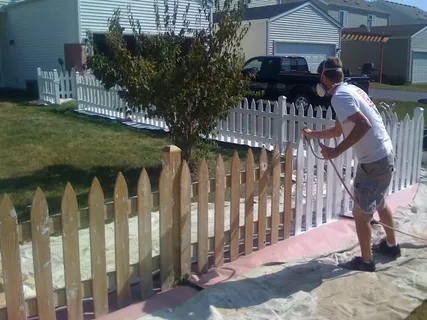
A fence stain performs best when the wood is clean, dry, and properly prepared before application. Surface condition, wood species, weather exposure, and stain selection all influence the final appearance and how long the finish lasts. Blu Macaw Pro Painting helps property owners understand the factors that affect exterior wood finishes before starting a project. In particular, fence staining services depend on matching the preparation method and stain type to the fence's condition, rather than simply applying a new coat over the existing surface.
Key Takeaways
-
Clean, dry wood helps stain absorb more evenly and reduces patchy results.
-
Wood species and previous coatings affect stain selection and application.
-
Weather conditions influence drying time, penetration, and finish quality.
-
Regular inspections and timely maintenance help preserve the stained surface.
Why Preparation Determines the Final Finish
Preparation is one of the most important stages of fence staining because it affects how well the product penetrates the wood. Dirt, algae, mildew, loose fibers, and weathered coatings can prevent even absorption. Applying stain over these contaminants may leave visible marks, uneven color, or areas that begin deteriorating sooner than expected.
The preparation method depends on the fence's condition. A relatively new fence may need light cleaning and sufficient drying time, while an older structure could require more extensive washing, scraping, or sanding. Pressure washing must be handled carefully because excessive pressure can damage wood fibers and leave the surface rough.
Moisture levels also matter. Wood that remains damp after rain or washing may not absorb stain consistently. Many products require the wood to dry for approximately 24–48 hours after cleaning, although actual drying time depends on temperature, humidity, sunlight, airflow, and the manufacturer's directions. A moisture meter can help confirm whether the surface is ready.
Existing finishes create another consideration. Some transparent stains fade naturally, while film-forming coatings may peel or resist new products. Before applying a fresh finish, the existing coating should be assessed to determine whether cleaning, sanding, or removal is necessary.
How Wood Type and Stain Selection Affect Results
Different wood species absorb stain at different rates, making deck staining dependent on the type and condition of the wood. Cedar and redwood often have natural color variations and may accept penetrating stains differently from pine. Pressure-treated lumber can also retain moisture after installation, so staining too early may produce inconsistent penetration and color.
Stain selection should reflect both appearance preferences and exposure conditions. Transparent products preserve more of the wood grain, while semi-transparent stains add stronger color while allowing some grain to remain visible. Solid-color stains provide greater color coverage but conceal more of the wood's natural appearance.
Oil-based and water-based formulations also have different characteristics. Oil-based products may penetrate certain wood surfaces effectively, while water-based products can offer convenient cleanup and different drying properties. Neither type is automatically the best choice for every deck. Compatibility with the existing finish, local weather, and the product label should determine the selection.
The amount of stain required depends on deck dimensions, wood porosity, surface condition, and the number of coats specified. A rough or weathered deck may consume more product than smooth, previously treated wood. Measuring the deck and checking the manufacturer's coverage estimate helps reduce waste and avoid running short during application.
Weather Exposure and Application Conditions
Outdoor conditions influence how stain spreads, penetrates, and cures. Direct sunlight can cause a product to dry too quickly, while cool temperatures or high humidity may slow drying. Rain shortly after application can interfere with the finish before it has developed adequate resistance.
Wind can introduce dust and debris onto wet surfaces, while extreme heat may create visible overlap marks. For consistent results, the application schedule should account for the forecast and the product's temperature and drying requirements. The wood should remain within the manufacturer's specified moisture range.
Regional exposure matters as well. Fences that receive strong afternoon sunlight may experience more fading than shaded sections. Areas close to sprinklers or persistent ground moisture may develop mildew or show faster deterioration. In these conditions, fence staining in humid climates requires careful drying, suitable product selection, and attention to moisture sources.
Application technique also affects appearance. Brushing can work stain into textured surfaces and corners, while sprayers may cover large areas more quickly when used correctly. A brush or pad may still be needed to spread excess product and maintain even coverage. Applying too much stain can leave a sticky surface or create an uneven sheen, so excess material should be handled according to product instructions.
What Property Owners Should Consider Before Starting
A staining project should begin with an assessment of the fence rather than an immediate product purchase. Property owners should check for loose boards, damaged posts, protruding fasteners, rot, and sections that need repair. Stain can improve the appearance of sound wood, but it cannot restore structurally damaged components.
The intended appearance is another important decision. Transparent finishes highlight natural grain but provide less color coverage than solid stains. A darker or more opaque finish may help create a more uniform appearance, although it can change the character of the wood. Testing a small, inconspicuous section helps confirm the color before treating the entire fence.
Maintenance expectations should also influence the choice. A fence exposed to intense sunlight, rain, or irrigation may need attention sooner than a protected structure. There is no universal maintenance interval because performance depends on the product, wood condition, exposure, and application quality. Periodic inspections are more useful than relying on a fixed calendar alone.
Before hiring a contractor, property owners should clarify the preparation work, product type, number of coats, expected drying time, and treatment of gates or hard-to-reach areas. They should also confirm whether repairs, old coating removal, and cleanup are included in the proposed scope.
Recognizing When a Fence Needs Restaining
A fence may need a new finish when its color has faded significantly, water no longer beads on the surface where expected, or the wood appears dry and weathered. Peeling, flaking, or uneven patches can indicate that the existing coating is failing or that the surface was not adequately prepared.
However, discoloration does not always mean the fence needs another coat. Dirt, algae, and mildew may require cleaning rather than additional stain. Applying a new product over biological growth can trap contaminants and worsen the appearance. The surface should be inspected and cleaned before the need for restaining is determined.
Fence staining in sunny regions also requires attention to ultraviolet exposure. Sunlight can gradually break down the wood's natural surface and fade pigments. A compatible exterior stain with suitable UV protection can help limit these effects, although no finish completely prevents weathering.
The best results come from treating maintenance as part of the fence's overall care. Keeping vegetation away from the boards, directing sprinklers away from the wood, and addressing standing water can reduce unnecessary exposure to moisture. Small repairs and timely cleaning may also prevent minor problems from spreading.
Four Practical Ways to Improve Staining Results
Several straightforward practices can help property owners avoid common problems and make better decisions before the work begins.
-
Test before full application: Apply stain to a small area to check color, absorption, and compatibility.
-
Follow drying requirements: Confirm that the wood and weather conditions meet the product specifications.
-
Protect nearby surfaces: Cover plants, concrete, siding, and hardware where overspray or drips could cause staining.
-
Inspect the finished fence: Look for missed areas, excessive buildup, and uneven coverage after the product has dried.
These steps complement proper preparation rather than replacing it. Careful planning reduces avoidable mistakes and makes it easier to identify issues before the entire fence has been treated.
Frequently Asked Questions
How long does fence stain usually last?
The lifespan varies with the stain formulation, wood species, preparation quality, and exposure to sunlight and moisture. Some fences need attention within a few years, while protected surfaces may retain their appearance longer. Regular inspections help determine when maintenance is necessary.
Should a fence be cleaned before staining?
Yes. Cleaning removes dirt, mildew, and other contaminants that can interfere with absorption. The wood must then dry sufficiently before the stain is applied. The appropriate cleaning method depends on the fence's age, condition, and existing finish.
Is it better to use transparent or solid stain?
Transparent stain emphasizes natural wood grain, while solid stain provides more uniform color and conceals more of the grain. The right option depends on the desired appearance, surface condition, and maintenance expectations. A sample application can help confirm the preferred finish.
Can a fence be stained after rain?
It can be stained after rain only when the wood has dried enough to meet the product's moisture requirements. The necessary waiting period depends on weather, wood type, airflow, and shade. Applying stain to damp wood can cause uneven absorption and poor finish performance.
How can property owners tell whether a fence needs restaining?
Fading, dry-looking wood, reduced water resistance, and a patchy appearance can indicate that the finish needs attention. Peeling or flaking may require additional preparation before another coat is applied. Cleaning the fence first can help distinguish surface dirt from finish deterioration.
Achieve a Consistent, Long-Lasting Fence Finish
A successful fence staining project depends on more than the color selected. Proper surface preparation, compatible materials, favorable weather, and careful application all contribute to a consistent appearance and dependable protection. Property owners who evaluate these factors before work begins can make more informed decisions and avoid preventable finish problems.
For tailored recommendations, property owners can contact Blu Macaw Pro Painting to discuss their fence's condition, preferred appearance, preparation requirements, and suitable stain options. A project assessment can help clarify the work involved, expected results, and maintenance considerations. Before scheduling, they should ask about surface preparation, product compatibility, application methods, and drying requirements. Clear expectations help ensure the finished fence complements the property while receiving appropriate protection against everyday outdoor exposure.

 English
 Arabic
 French
 Spanish
 Portuguese
 Deutsch
 Turkish
 Dutch
Dutch
 Italiano
 Romaian
 Portuguese (Brazil)
 Greek
Greek