


How Mold Engineering Shapes Consistent Plastic Spoon Production
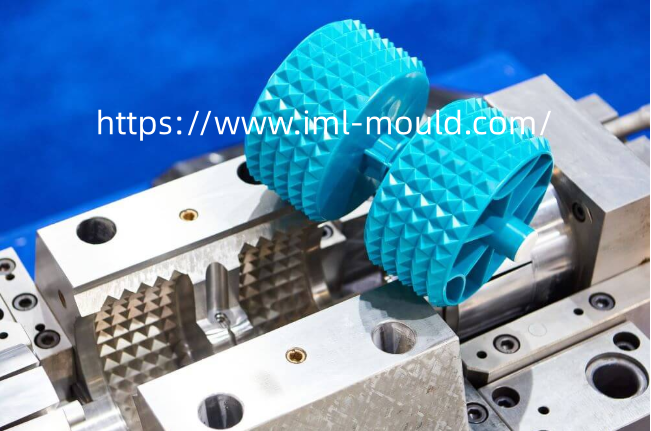
Plastic tableware manufacturers need tooling that translates product concepts into consistent, usable utensils. A Plastic Spoon Mould must reproduce the spoon's bowl, handle, edges, and connecting transitions while supporting stable production and a suitable surface finish. Its design involves more than creating a cavity in the desired shape; resin behavior, mold construction, cooling, release, and maintenance all influence the final result.
Resin selection is one of the first decisions to address. Different plastics have distinct flow characteristics, stiffness, shrinkage behavior, and surface qualities. The material selected for a disposable spoon may differ from that used for a reusable utensil intended for repeated handling. Mold designers need to understand the chosen resin before finalizing cavity geometry and processing arrangements. Material compatibility helps reduce the risk of designing tooling around assumptions that do not match the production process.
The mold itself also requires suitable construction materials. Tool steel is commonly used where wear resistance, structural stability, and a durable cavity surface are important. Other tooling materials may suit particular development or production needs. Selection should reflect the molding material, expected production conditions, finishing requirements, and maintenance plan. A well-matched mold material can support consistent cavity performance, while an unsuitable choice may increase maintenance demands or make it difficult to preserve the intended surface quality.
Product definition provides the foundation for choosing the right tooling approach. Manufacturers should clarify whether the spoon is intended for food service, takeaway packaging, household use, or another application. The target market influences its form, material, surface appearance, and handling requirements. Clear drawings or product samples can help the mold maker understand the intended design and identify areas that may need adjustment before tool construction begins.
Cavity geometry deserves close attention because a spoon combines several connected forms. The bowl must provide the intended curvature, while the handle should transition naturally into the main body. Edge thickness and local shape changes can affect how resin fills the cavity and how the part behaves after cooling. Draft angles and parting lines also need to be considered so that the spoon can be released without unnecessary resistance or surface damage.
The feeding system determines how molten plastic enters and travels through the cavity. Gate placement and runner layout can affect the filling pattern, the appearance of the gate area, and the distribution of material along the spoon. Poorly planned flow may contribute to incomplete filling, visible marks, or uneven formation. Mold engineers therefore consider the product's geometry and the resin's behavior together when developing a feeding arrangement.
Cooling design is equally important. Plastic needs to lose heat in a controlled manner before the part can be released. If different areas cool unevenly, the spoon may develop warping, surface variation, or shape inconsistency. Cooling channels should be planned in relation to the bowl, handle, and overall cavity structure. The aim is to support a stable molding process while preserving the product's intended form.
Ejection arrangements connect tooling design with production efficiency. Once the plastic has cooled sufficiently, the spoon must be removed without damaging its surface or deforming its shape. The position and action of ejector components should reflect the product's contact areas and structural characteristics. Thin edges, curved surfaces, and narrow handles can require particular attention because excessive or poorly distributed ejection force may leave marks or affect the finished part.
Surface finish influences both appearance and practical handling. A polished cavity can produce a smooth, refined surface, while a textured cavity may create a specific visual effect or tactile character. The finish should match the product concept and the behavior of the selected resin. For food-contact utensils, manufacturers should also consider applicable material and product requirements, along with cleaning and inspection practices for the tooling itself.
The user's experience depends on details formed by the mold. A spoon's bowl curvature influences how it holds food, while handle contours and edge transitions affect grip and comfort. The design should avoid unnecessary irregularities and support the intended way the utensil will be used. These qualities are easier to manage when product designers and mold engineers review usability before finalizing the cavity rather than treating it as a finishing concern.
Manufacturing quality relies on ongoing inspection as well as initial engineering. Mold surfaces, gate areas, cooling passages, and ejection components can collect residue or experience wear. Regular maintenance helps identify damage or changes that could affect the molded spoon. Inspection routines should reflect production conditions and the tooling manufacturer's recommendations, allowing cleaning, repair, and adjustments to be planned before problems disrupt manufacturing.
Appearance can distinguish one utensil design from another. Manufacturers may explore different handle profiles, bowl contours, decorative textures, or branding details to match particular product lines. These visual features must remain compatible with resin flow, mold release, and cleaning requirements. Effective design balances the desired appearance with the practical needs of repeatable production, avoiding unnecessary complexity that does not improve the finished product.
Ningbo Hengqi Precision Mould Co., Ltd. specializes in precision mold development and manufacturing. For plastic spoon projects, collaboration with a tooling supplier can help coordinate resin selection, cavity structure, feeding arrangements, cooling, ejection, and surface finishing. Sharing clear product requirements and discussing manufacturing challenges early can make the development process more focused and help align tooling decisions with the intended production application.
Before tooling enters regular production, manufacturers can review sample parts for shape consistency, visible surface defects, release marks, and overall usability. Feedback from these evaluations can guide refinements to the mold and help ensure that the finished utensil matches the original product concept. More information about Ningbo Hengqi Precision Mould Co., Ltd. and its mold manufacturing services is available at https://www.iml-mould.com/.

 English
 Arabic
 French
 Spanish
 Portuguese
 Deutsch
 Turkish
 Dutch
Dutch
 Italiano
 Romaian
 Portuguese (Brazil)
 Greek
Greek