


Smarter Testing, Better Results: A Guide to Oil and Grease Analysis
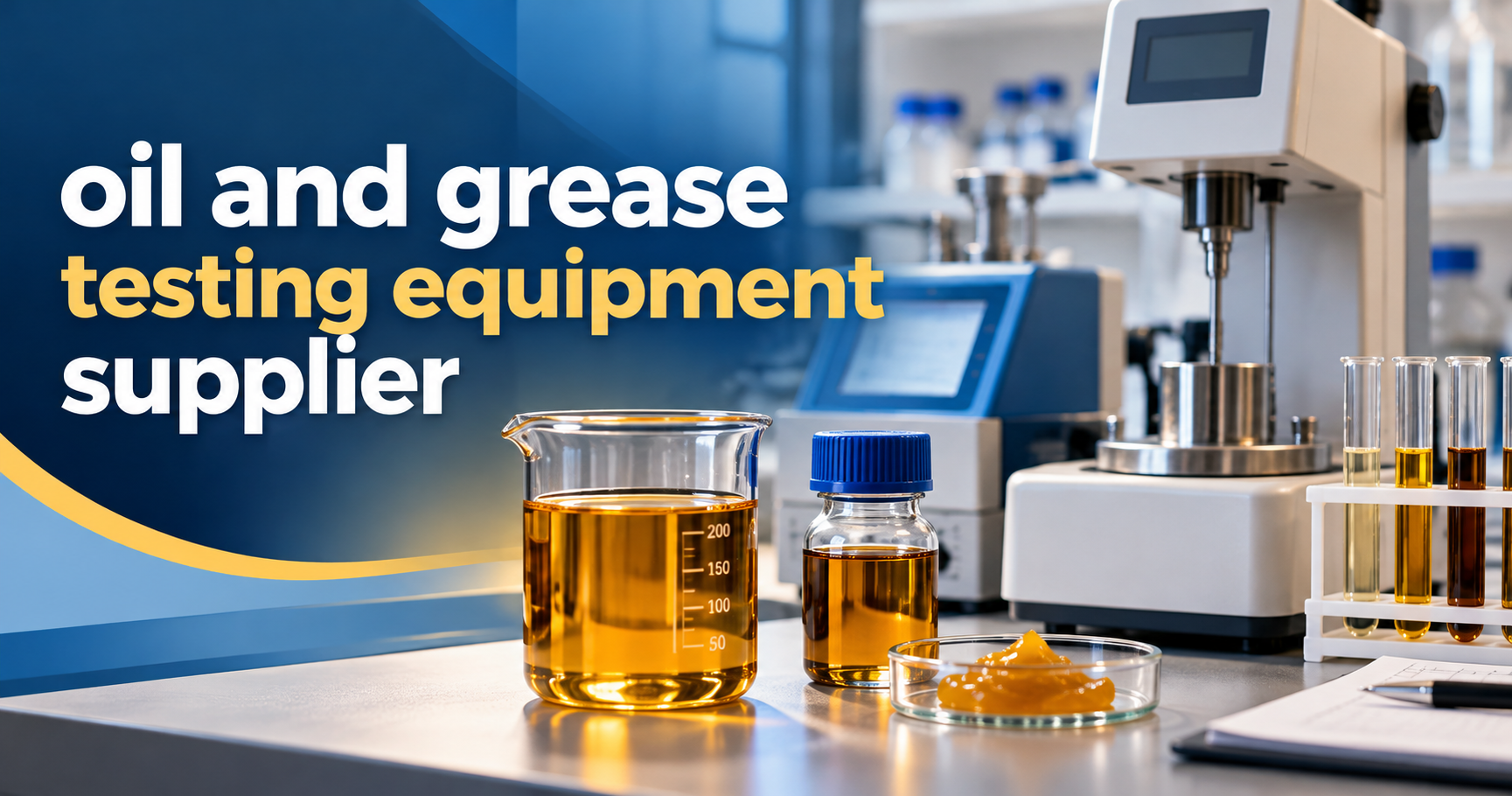
Oil and grease contamination can harm water quality, damage ecosystems, and create serious problems for industrial operations. Accurate testing helps businesses detect contamination and manage wastewater more effectively. Choosing a reliable oil and grease testing equipment supplier is an important step toward better analysis. The right equipment can improve measurement accuracy, simplify daily testing, and support environmental compliance. This guide explains how oil and grease analysis works, what equipment laboratories need, and how to choose solutions that meet your testing requirements.
1. What Is Oil and Grease Analysis?
Oil and grease analysis measures the amount of oily substances present in water, wastewater, and other samples. These substances may come from industrial processes, vehicle maintenance, food production, petroleum operations, and other activities.
Testing helps laboratories determine whether a sample meets the limits set by applicable regulations or project requirements. It also helps industries identify possible contamination sources and improve wastewater treatment.
Different methods are used for different samples. Some procedures involve extracting oil and grease from a sample before measuring the remaining material. The correct method depends on the sample type, the target substances, and the applicable testing standard.
An experienced oil and grease testing equipment supplier can help laboratories identify suitable instruments, sample preparation tools, and supporting accessories. However, the equipment must match the chosen analytical method to produce useful results.
2. How to Achieve Better Oil and Grease Testing Results
Accurate analysis depends on more than purchasing a good instrument. Laboratories must select suitable equipment, prepare samples correctly, and follow consistent procedures.
Step 1: Identify Your Testing Requirements
Start by defining what you need to measure. Consider whether your laboratory tests drinking water, industrial wastewater, process water, or environmental samples.
Also, review the expected concentration range, sample volume, testing frequency, and reporting requirements. These details help narrow your equipment choices.
Step 2: Select the Appropriate Equipment
Different analytical methods require different equipment. Depending on the method, laboratories may need extraction systems, analytical balances, heating equipment, glassware, or suitable detection instruments.
Ask suppliers to explain instrument specifications, operating requirements, and compatibility with your testing method. A demonstration can also help staff understand the equipment before purchasing it.
Step 3: Follow Proper Sampling Procedures
Poor sampling can lead to unreliable results, even when the instrument performs correctly. Use suitable sample containers and follow the relevant method for collection, preservation, storage, and transport.
Staff should also document sampling times and handling conditions. Consistent procedures make results easier to compare.
Step 4: Maintain and Calibrate Equipment
Routine maintenance helps keep laboratory equipment in good working condition. Follow the manufacturer's instructions for cleaning, inspection, calibration, and servicing.
Keep records of maintenance activities and calibration checks. These records can help identify problems before they affect important measurements.
Step 5: Review Results and Improve Processes
Compare test results with applicable limits and internal quality targets. Investigate unusual changes rather than assuming every result reflects normal operating conditions.
Over time, testing data can reveal recurring contamination issues. Businesses can use these insights to improve treatment systems, reduce pollution, and manage operating costs.
3. Common Mistakes to Avoid
Several common mistakes can affect oil and grease analysis.
-
Using the wrong method: Select a validated procedure that matches the sample and measurement objective.
-
Poor sample handling: Follow the method's collection, preservation, and storage instructions.
-
Ignoring maintenance: Schedule inspections and calibration checks according to documented procedures.
-
Overlooking staff training: Ensure technicians understand sample preparation, equipment operation, and result interpretation.
-
Choosing equipment based on price alone: Consider accuracy, operating costs, consumables, technical support, and spare-part availability.
A dependable oil and grease testing equipment supplier should provide clear technical information and help customers understand these practical requirements. Still, laboratories must verify that the recommended equipment meets their specific method and regulatory needs.
Conclusion
Reliable oil and grease analysis helps laboratories monitor contamination, improve wastewater management, and make informed decisions. The right equipment, proper sampling, trained staff, and regular maintenance all contribute to dependable results. Choosing an experienced oil and grease testing equipment supplier can simplify equipment selection and ongoing support. Before purchasing, define your testing needs, compare technical specifications, and confirm method compatibility. Explore the laboratory testing solutions available from Apex Instrument to identify equipment that fits your application and supports your quality goals.
Frequently Asked Questions
1. What equipment is used for oil and grease testing?
Depending on the analytical method, laboratories may use extraction equipment, analytical balances, heating systems, glassware, solvents, and suitable detection instruments. The exact setup depends on the sample and testing standard.
2. Why is oil and grease testing important?
It helps identify contamination in water and wastewater, evaluate treatment performance, and check compliance with applicable environmental requirements. Regular testing can also help businesses investigate pollution sources.
3. How do I choose an oil and grease testing equipment supplier?
Look for suitable product specifications, method compatibility, technical documentation, maintenance support, spare-part availability, and staff training options. Ask the supplier to explain how the proposed equipment meets your laboratory's requirements.
4. Which standards are used for oil and grease analysis?
The appropriate standard depends on the sample type, analytical method, and intended use. Laboratories may consult applicable EPA methods, ASTM standards, ISO documents, and local environmental regulations before selecting a procedure.
5. How can laboratories improve oil and grease test accuracy?
Use an appropriate analytical method, follow consistent sampling procedures, maintain equipment, train technicians, and document quality checks. Investigate unexpected results and repeat tests when the approved procedure requires it.

 English
 Arabic
 French
 Spanish
 Portuguese
 Turkish
 Dutch
Dutch
 Italiano
 Russian
 Romaian
 Portuguese (Brazil)
 Greek
Greek