


GAPP Services: A Parent’s Guide to Pediatric Medicaid Nursing
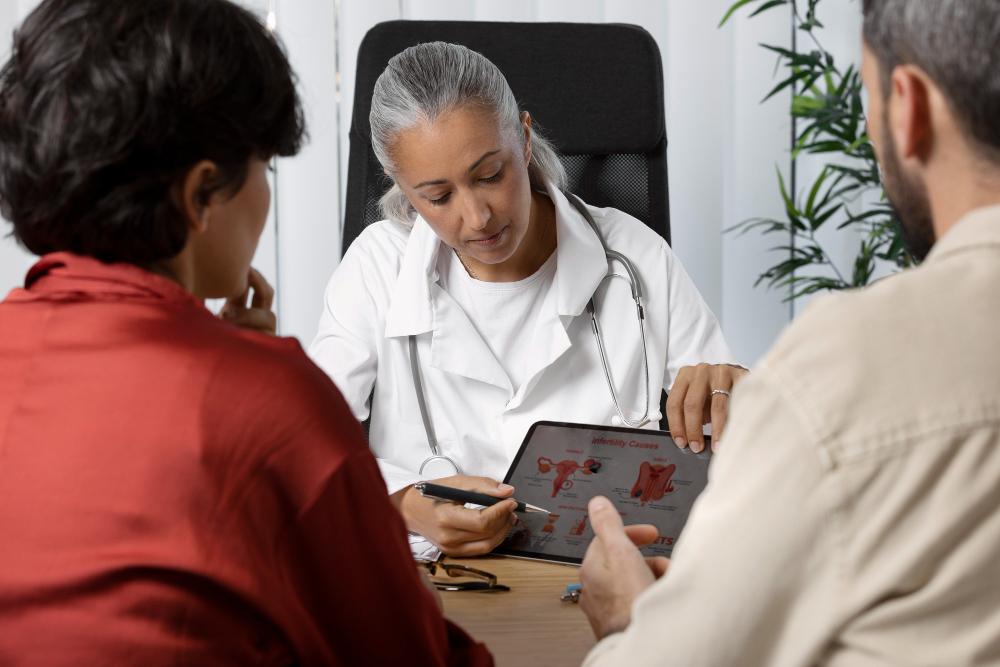
Caring for a child with complex medical needs can bring many challenges for families. Parents may need to manage medical appointments, follow prescribed treatments, monitor specialized equipment, and coordinate daily activities while ensuring their child receives appropriate care. Understanding available healthcare support can help families make informed decisions and create a care routine that works for everyone.
For eligible children in Georgia, GAPP Services may provide access to specialized nursing and personal care support at home. The Georgia Pediatric Program (GAPP) operates through Georgia Medicaid and serves children who meet specific medical and eligibility requirements. Learning about the program can help parents understand available services, prepare for the approval process, and explore appropriate nursing support for their children.
At SLB In-Home Care, we understand the importance of individualized pediatric care. Every child has different needs, and families benefit from clear information, thoughtful planning, and communication with qualified healthcare professionals.
Understanding GAPP Services
The Georgia Pediatric Program, commonly known as GAPP, provides specialized services to eligible children with significant medical needs. Depending on medical necessity and authorization, these services may include skilled nursing and personal care support in the home.
For families, the program can be an important option to explore when a child requires ongoing medical assistance beyond ordinary daily caregiving. Professional nursing may help address specific healthcare needs according to the child's approved care plan.
However, not every child who needs pediatric home care automatically qualifies. Eligibility depends on Georgia Medicaid requirements medical criteria, and the required assessment and approval process.
Parents should understand these requirements before making care arrangements. Speaking with the child's physician or hospital discharge planner can help families learn how to begin exploring the program.
Which Children May Benefit From Specialized Pediatric Nursing?
Children with complex medical conditions may require additional support to manage their health safely. Some need continuing respiratory support, while others require specialized treatments and close coordination among healthcare professionals.
Children who may need an assessment for specialized nursing care include those with:
-
Respiratory support needs: Children who depend on oxygen or respirator support and require continuing medical attention.
-
Complex neurological conditions: Children who need specialized monitoring, prescribed treatments, or assistance with daily care.
-
Multiple medical conditions: Children whose healthcare needs require coordinated support from different professionals.
-
Specialized treatment requirements: Children who need qualified assistance with prescribed medical procedures or equipment.
-
Ongoing nursing needs: Children who require skilled nursing interventions as part of an established medical care plan.
These examples describe possible healthcare needs rather than automatic eligibility. Under Georgia's program requirements, children generally must be under age 21, have qualifying Medicaid coverage, depend on oxygen or a respirator, meet the required level-of-care criteria, and receive authorization for services.
Parents should discuss their child's condition with the treating physician to determine whether an assessment may be appropriate.
What Nursing and Personal Care Services May Include
The specific care a child receives depends on medical needs, professional assessment, and authorization. Understanding the general types of support available can help parents prepare questions for potential providers.
Skilled Nursing Care
Skilled nursing involves medical services provided by appropriately qualified professionals. Depending on the child's care plan, nursing responsibilities may include monitoring health status, following prescribed treatments, providing authorized respiratory care, and documenting relevant observations.
Nurses may also communicate concerns to the appropriate healthcare professionals when changes in a child's condition require attention.
Parents should ask which nursing tasks will be provided, how care instructions are documented, and how concerns are communicated to the medical team.
Respiratory Care Support
Some children depend on oxygen or ventilator equipment as part of their ongoing healthcare. Their care may require attention to prescribed respiratory treatments, equipment instructions, and procedures for responding to problems.
Qualified healthcare professionals should explain the responsibilities of nursing staff family caregivers. Parents should understand whom to contact when equipment malfunctions or their child's condition changes.
Personal Care Assistance
Depending on the services approved, personal care support may help with daily activities such as bathing, dressing, personal hygiene, and mobility.
This assistance can help families organize everyday responsibilities while ensuring that the child's individual needs remain central to the care arrangement.
Parents should confirm which activities are included in the approved service plan and which responsibilities remain with family caregivers.
Benefits of Exploring Pediatric Medicaid Nursing
When a child requires specialized medical attention, professional support at home may help families coordinate care more effectively. The available benefits depend on the child's needs and the services authorized.
A More Organized Daily Routine
Medical treatments, nursing visits, appointments, and personal care can create a demanding schedule. A written care plan can help parents organize these responsibilities and prepare for upcoming activities.
Families can work with healthcare professionals to develop realistic routines that accommodate prescribed treatments, meals, rest, and other appropriate activities.
Support in a Familiar Environment
Home is a familiar setting where children can remain close to family members and participate in appropriate daily routines. When home-based care is medically suitable, approved services may help families address essential healthcare needs without unnecessarily disrupting everyday life.
Better Communication With Healthcare Professionals
Children with complex medical needs may receive care from multiple professionals. Clear communication helps everyone understand the child's condition, follow the established care plan, and report concerns when necessary.
Parents can support this process by keeping medical records organized, sharing important updates, and asking questions whenever instructions are unclear.
Additional Support for Family Caregivers
Caring for a medically fragile child can require considerable time and attention. Authorized nursing and personal care services may help families manage certain responsibilities while remaining actively involved in their child's care.
The amount of support available depends on the child's assessment, the approved services, and the provider's arrangements.
How Families Can Explore GAPP Services
Parents can take several practical steps to understand whether their child may qualify and what information is needed to begin the process.
Step 1: Speak with your child's physician.
Discuss the child's condition, respiratory support needs, prescribed treatments, and daily care requirements. Ask whether an assessment for specialized nursing services may be appropriate.
Step 2: Confirm Medicaid eligibility.
GAPP requires qualifying Georgia Medicaid coverage. Families who need help understanding their child's coverage can contact the appropriate state office or county Division of Family and Children Services office.
Step 3: Contact an appropriate provider.
Ask an enrolled GAPP provider about its intake process, service availability, and documentation requirements. The child's physician or hospital discharge planner can also help explain how to initiate the assessment and authorization process.
Step 4: Prepare medical documentation.
Gather relevant medical records, physician information, treatment plans, and other documents requested during the review. Accurate information helps the reviewing team understand the child's medical circumstances.
Step 5: Complete the required assessment and authorization.
The reviewing authority determines whether GAPP Services the child meets the program requirements and which services may be approved. Having Medicaid coverage alone does not guarantee authorization.
Before arranging care, parents should confirm the approval decision, the services covered, and the expected care schedule with the provider.
Choosing the Right Pediatric Home Care Provider
Selecting a provider is an important part of arranging home-based healthcare. Families should consider staff qualifications, experience with complex pediatric conditions, communication procedures, and the provider's ability to deliver authorized services.
Parents can ask how nursing schedules are managed, how changes in a child's condition are reported, and how staff coordinate with the child's medical team. It is also useful to understand who to contact when questions arise or scheduled care needs to be discussed.
SLB In-Home Care recognizes the importance of individualized pediatric support and clear communication with families. Parents exploring nursing care should discuss their child's specific requirements, service availability, and applicable program approvals with an appropriate provider.
A suitable arrangement should reflect the child's medical needs and clearly define the responsibilities of professional caregivers and family members.
Helping Parents Make Informed Care Decisions
Understanding GAPP Services is one step toward finding appropriate support for a child with complex medical needs. Although the eligibility and authorization process requires careful review, parents can prepare by gathering medical information, communicating with healthcare professionals, and learning about the services available for their child's circumstances.
Every family faces different challenges, and every child deserves care that reflects their individual needs. Thoughtful planning, clear communication, and qualified professional support can help parents develop a more organized approach to healthcare at home.
The goal is to create a care arrangement that supports the child's health, comfort, and safety while helping the family manage everyday responsibilities with greater confidence.
Frequently Asked Questions
1. What are GAPP Services in Georgia?
GAPP is the Georgia Pediatric Program, which provides approved specialized medical services through Georgia Medicaid for eligible children with significant medical needs. Services may include skilled nursing and personal care support, depending on medical necessity and authorization.
2. Who may qualify for pediatric Medicaid nursing through GAPP?
Children generally must have qualifying Medicaid coverage, be under age 21, depend on oxygen or a respirator, meet the required level-of-care criteria, and receive authorization for services. Parents should confirm eligibility through the appropriate review process.
3. Can children receive GAPP nursing care at home?
Yes. Eligible children may receive authorized in-home nursing services. The specific care and amount of support depend on the child's medical needs, assessment, and approved care plan.
4. How can parents begin the application process?
Parents can start by discussing their child's needs with the physician, confirming Medicaid eligibility, and contacting an appropriate GAPP provider. The provider or hospital discharge planner can help explain the assessment, documentation, and authorization steps.

 English
 Arabic
 French
 Spanish
 Portuguese
 Deutsch
 Turkish
 Dutch
Dutch
 Italiano
 Russian
 Portuguese (Brazil)
 Greek
Greek