


Freeze-Dried Liver Treats for Dogs: Nutrition, Benefits, and Smart Feeding Tips
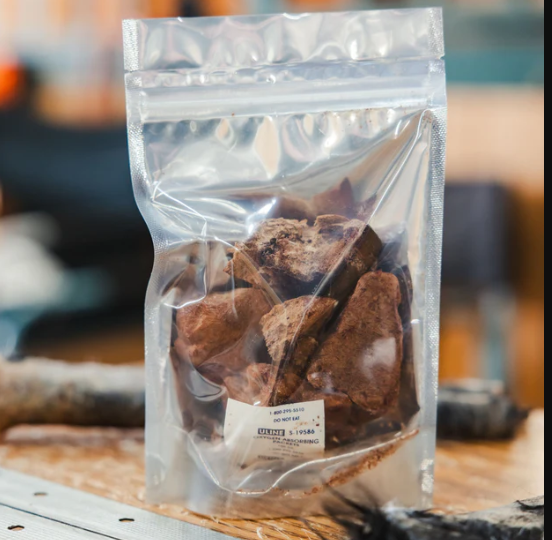
Finding a tasty and nutritious reward for your dog can make training, bonding, and everyday routines more enjoyable. Many pet owners prefer treats with simple ingredients because they want to understand exactly what goes into their dog's diet. Organ meats, particularly beef liver, are popular for their rich flavor and naturally occurring nutrients.
When shopping for freeze dried liver treats dogs owners should look beyond taste and consider ingredient quality, processing methods, portion sizes, and storage requirements. These treats can be a convenient addition to a balanced feeding routine when served in moderation. Understanding their benefits and limitations helps you make informed decisions about your pet's snacks.
What Makes Freeze-Dried Liver Treats Special?
Freeze-drying removes moisture from food at low temperatures under reduced pressure. This process helps retain the ingredient's structure, flavor, and many of its naturally occurring nutrients without relying on traditional high-temperature drying.
Beef liver is naturally rich in protein and contains nutrients such as vitamin A, iron, copper, and several B vitamins. These nutrients contribute to normal bodily functions, including energy metabolism and healthy red blood cell production.
Unlike treats containing multiple flavorings, fillers, or artificial colors, single-ingredient liver treats have a straightforward ingredient list. This makes it easier for pet owners to identify what they are feeding their dogs. However, a short ingredient list does not automatically guarantee that a product is suitable for every pet.
Benefits of Freeze-Dried Liver Treats for Dogs
1. A Flavor Dogs Enjoy
Liver has a naturally strong aroma and savory taste that many dogs find appealing. This makes it useful for rewarding desired behaviors, encouraging engagement during training, or providing an occasional snack between meals.
2. Naturally Occurring Nutrients
Beef liver supplies protein and essential micronutrients. Protein supports normal tissue maintenance, while vitamins and minerals contribute to various metabolic processes. Nevertheless, treats should complement a complete and balanced diet rather than replace regular meals.
3. Convenient Training Rewards
Small pieces are easy to carry in a treat pouch and offer during walks, obedience sessions, or recall practice. You can break larger pieces into smaller portions to reward your dog frequently without providing excessive amounts of food.
4. Simple Ingredient Transparency
Products made exclusively from beef liver offer a clear ingredient profile. This can help owners avoid unnecessary additives, although dogs with food allergies or sensitivities should still be monitored carefully when introduced to any new treat.
How to Select Quality Liver Treats
Not every product has the same ingredients, sourcing standards, or manufacturing controls. Before purchasing, review the packaging and consider the following factors.
- Ingredient list: Look for clearly identified liver as the sole ingredient if you prefer a single-ingredient treat.
- Processing information: Check whether the manufacturer explains its freeze-drying process and food-safety controls.
- Packaging quality: Choose sealed packaging that protects the treats from moisture and contamination.
- Product transparency: Review sourcing details, feeding instructions, and manufacturer contact information.
- Suitable portions: Select pieces that can be divided into manageable rewards for your dog's size and needs.
A trustworthy product description should explain what the treats contain without making unrealistic promises about health benefits.
How to Feed Freeze-Dried Liver Treats Safely
Even nutritious treats need sensible portion control. Liver contains high levels of vitamin A and copper, so feeding large amounts regularly can contribute to excessive nutrient intake.
Start with a small piece and monitor your dog for digestive changes, such as loose stools, vomiting, or unusual discomfort. Introduce new treats gradually, particularly if your dog has a sensitive stomach.
Keep all treats, including liver snacks, within approximately 10% of your dog's daily calorie intake. The remaining calories should come primarily from a complete and balanced diet. Dogs with liver disease, copper-storage disorders, pancreatitis, food allergies, or other medical concerns may need specific dietary restrictions. Ask your veterinarian whether liver treats are appropriate for your pet.
For puppies, confirm that the treat is suitable for their age and chewing ability. Break pieces into small, manageable portions and supervise feeding to reduce choking risks.
Proper Storage for Freshness
Moisture can affect the quality of freeze-dried treats, so storage matters. Follow the manufacturer's directions and keep the package tightly sealed in a cool, dry place away from direct sunlight.
Use clean, dry hands or a utensil when handling the treats. Avoid leaving the package open for extended periods, and discard products that show signs of moisture damage, mold, unusual odors, or packaging contamination.
Check the expiration or best-before date before serving. Proper storage helps preserve quality and reduces the risk of contamination after opening.
Making Treat Time More Rewarding
Liver treats can be useful for more than occasional snacking. During training, offer a small reward immediately after your dog performs the desired behavior. This helps establish a clear connection between the action and the reward.
You can also use small pieces to reinforce calm behavior during grooming or to encourage positive experiences with new environments. For everyday rewards, rotate suitable treats and consider your dog's overall calorie intake.
Pet owners looking for straightforward ingredient options can consider Ugly Chews when reviewing available natural dog treats, while checking each product's ingredients and feeding guidance before purchasing.
Conclusion
Freeze-dried liver snacks offer a convenient way to reward dogs with a flavorful treat made from nutrient-rich organ meat. Their simple ingredient profile, portability, and appealing aroma make them useful for training and occasional rewards. However, portion control, responsible sourcing, safe storage, and individual dietary needs remain important.
When comparing freeze dried liver treats dogs can enjoy, prioritize clear labeling, quality controls, and appropriate feeding recommendations. For natural treat options, consider Ugly Chews and review the product details to find an option that fits your dog's needs. Always introduce new treats gradually and consult your veterinarian if your dog has specific health or nutritional requirements.
Frequently Asked Questions
1. Are freeze-dried liver treats healthy for dogs?
Yes, they can provide protein and essential nutrients when fed in moderation. However, excessive liver consumption may cause harmful vitamin A and copper accumulation.
2. Can puppies eat freeze-dried liver treats?
Puppies may enjoy suitable liver treats in tiny portions. Check age recommendations, supervise chewing, and consult your veterinarian before introducing treats to very young puppies.
3. How often can I give my dog liver treats?
Offer small portions occasionally, considering your dog's size, diet, and health. Treats should generally provide no more than ten percent of daily calories.
4. Are single-ingredient liver treats better for dogs?
Single-ingredient treats simplify ingredient checking and may suit owners seeking fewer additives. However, suitability depends on allergies, nutritional needs, manufacturing quality, and portion control.
5. Can freeze-dried liver treats replace regular dog food?
No, liver treats are not complete meals. Feed them alongside a nutritionally balanced diet, keeping treat calories limited to maintain appropriate daily nutrient intake.
6. How should I store freeze-dried liver treats?
Keep treats sealed in their original packaging or an appropriate airtight container, away from moisture, heat, and sunlight. Follow the manufacturer's storage instructions carefully.

 English
 Arabic
 French
 Spanish
 Portuguese
 Deutsch
 Dutch
Dutch
 Italiano
 Russian
 Romaian
 Portuguese (Brazil)
 Greek
Greek