


Common Tankless Water Heater Problems and How Pros Fix Them
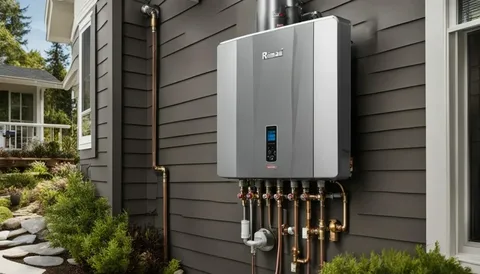
Tankless water heaters can provide continuous hot water while taking up less space than conventional storage tanks. Blue Pacific Cape Cod helps homeowners understand that these systems still require appropriate maintenance and timely attention when performance changes. Mineral buildup, restricted water flow, ignition failures, temperature fluctuations, and error codes are among the issues that can affect operation. Understanding tankless water heater repairs helps homeowners recognize warning signs and know when professional service is appropriate.
Unlike traditional storage heaters, tankless systems heat water only when a fixture creates demand. This design eliminates standby storage losses but places greater importance on water flow, heat exchangers, sensors, burners, electrical controls, and proper maintenance. When one of these components develops a problem, professional troubleshooting usually begins by identifying the symptom, checking system diagnostics, testing the relevant components, and correcting the underlying cause rather than simply resetting the unit.
Key Takeaways
-
Mineral deposits can restrict heat transfer and reduce performance.
-
Low water flow may prevent a unit from activating correctly.
-
Error codes can help technicians identify electrical or component faults.
-
Regular descaling can reduce problems caused by hard-water conditions.
-
Repeated failures may require component replacement or system evaluation.
Why Tankless Systems Develop Problems
Tankless water heaters contain several components that must work together during every hot-water demand. When someone opens a hot-water fixture, the unit detects flow and activates its heating system. Sensors then monitor temperature while the control board adjusts operation according to demand.
Because the system depends on these coordinated processes, even a relatively small restriction can affect performance. Mineral scale inside the heat exchanger, a clogged inlet filter, inadequate gas supply, or insufficient water flow can prevent the heater from producing the expected temperature.
Water quality is particularly important. Hard water contains dissolved minerals that can accumulate inside the heat exchanger over time. The resulting scale acts as an insulating layer, making heat transfer less effective and potentially causing overheating or reduced output.
Tankless systems also have different maintenance requirements from storage water heaters. Descaling intervals vary according to water hardness, usage, and manufacturer specifications, but homes with significant mineral content generally require closer attention.
Mineral Buildup and Restricted Water Flow
Mineral accumulation is one of the more common causes of declining tankless water heater performance. As scale forms around internal heat-transfer surfaces, the unit may take longer to heat water or produce inconsistent temperatures.
Professional technicians typically address this condition through a controlled descaling procedure. The process circulates an approved cleaning solution through the heat exchanger to dissolve mineral deposits. Afterward, the system is flushed according to the manufacturer's requirements before being returned to service.
Water flow problems require a different diagnostic process. Technicians may inspect inlet filters, valves, plumbing restrictions, and flow sensors to determine whether enough water is reaching the heater.
If the unit activates only intermittently, low flow can be particularly important to investigate. A partially closed valve or clogged filter may create symptoms that appear to be an electrical or heating problem even though the underlying issue is water delivery.
Ignition and Burner Problems
Gas-fired tankless systems depend on reliable ignition and consistent combustion. When ignition fails, the unit may display an error code, stop producing hot water, or repeatedly attempt to start.
Professionals typically begin by checking whether the system has the necessary gas supply and electrical power. They may then inspect ignition components, flame sensors, wiring, venting, and combustion-related controls.
A blocked or improperly configured venting system can also affect operation. Tankless gas heaters require appropriate exhaust pathways because combustion gases must leave the building safely. Technicians can inspect vent connections and confirm that the installation meets applicable requirements.
Homeowners should avoid attempting to bypass ignition controls or combustion safety devices. These components are designed to prevent unsafe operation, and repeated ignition failures deserve proper diagnosis rather than repeated resets.
Temperature Fluctuations and Error Codes
Temperature changes during a shower can be frustrating, particularly when the system appears to be operating normally at other times. Several factors can cause this symptom, including fluctuating water demand, restricted flow, scale buildup, temperature sensors, and incorrect system settings.
Technicians generally evaluate the unit while reproducing the problem. This allows them to observe water flow, inlet temperature, outlet temperature, burner operation, and control readings rather than relying solely on the homeowner's description.
Error codes can make troubleshooting more precise. Modern tankless systems monitor numerous operating conditions and may shut down when readings fall outside acceptable ranges. A displayed code does not always identify a failed component by itself, but it provides useful diagnostic information.
A technician can consult the equipment's service documentation, test the associated components, and determine whether the problem involves a sensor, wiring, control board, water-flow issue, or another condition.
Regional Considerations for Cape Cod Homes
Local water conditions and household plumbing characteristics can influence maintenance requirements. Homeowners searching for tankless water heater service in Cape Cod may need to consider the system's age, water quality, installation history, and frequency of use rather than relying on a generic maintenance schedule.
Homes that experience noticeable mineral accumulation may need more frequent descaling. A technician can assess the condition of the heat exchanger and recommend an interval based on the actual operating environment.
Seasonal occupancy can also affect equipment use. A property that experiences periods of low occupancy followed by heavy demand may show different performance patterns from a home with consistent daily usage. Extended periods without use should not automatically be assumed to cause damage, but the system should be checked if unusual operation appears after a long inactive period.
When Repairs Make More Sense Than Replacement
Not every malfunction means a tankless water heater needs replacement. Many problems involve serviceable components, cleaning, flow restrictions, sensors, or ignition parts.
The age and condition of the equipment should be considered before committing to a major repair. A newer system with a relatively isolated component failure may warrant repair, while an older unit experiencing repeated failures can require a broader cost and reliability assessment.
The availability of replacement parts also matters. Some older models become more difficult to maintain as components are discontinued. A technician can evaluate the unit's condition and explain whether continued repairs remain practical.
Homeowners should also consider whether the system was correctly sized for the property. Repeated complaints about insufficient hot water may not be caused by a defective heater at all. If household demand exceeds the system's capacity, correcting the sizing issue may be more appropriate than repeatedly repairing an otherwise functional unit.
-
Repair decisions should consider equipment age and overall condition.
-
Repeated component failures can change the long-term cost calculation.
-
System sizing should be checked when hot-water demand consistently exceeds capacity.
-
Replacement parts and future service availability can affect maintenance decisions.
How Professionals Diagnose Tankless Water Heater Problems
Professional troubleshooting usually begins with the symptoms rather than immediately replacing parts. The technician may ask when the problem occurs, how long it lasts, whether error codes appear, and whether the issue affects every fixture or only one location.
The next stage involves visual and operational inspection. Technicians can examine water and gas connections, electrical supply, filters, venting, valves, sensors, and other accessible components. They may operate the unit while measuring relevant temperatures and flow conditions.
Diagnostic equipment can then help narrow the problem. Electrical readings, manufacturer-specific error information, temperature measurements, and flow observations can distinguish between similar symptoms.
This approach matters because replacing an unrelated component can leave the original problem unresolved. A proper diagnosis focuses on the cause rather than simply responding to the most visible symptom.
Maintenance Habits That Reduce Future Problems
Preventive maintenance is particularly important for tankless systems because mineral deposits can accumulate without being obvious from outside the unit. Periodic professional descaling can help maintain heat-transfer performance and reduce scale-related operating problems.
The inlet water filter should also be checked according to the manufacturer's maintenance instructions. A restricted filter can reduce flow and create activation or temperature issues.
Homeowners can also keep the area surrounding the heater accessible. Clear access makes inspections easier and allows technicians to reach valves, connections, controls, and service points without unnecessary delays.
Another useful practice is keeping the installation and maintenance records. These records can show when the system was installed, when it was descaled, which components have been replaced, and whether the same symptom has occurred previously.
-
Follow the manufacturer's recommended descaling schedule.
-
Keep water and gas connections accessible for inspection.
-
Check applicable filters according to manufacturer instructions.
-
Maintain records of repairs, service, and recurring symptoms.
Common Questions About Tankless Water Heater Problems
Why does a tankless water heater suddenly stop producing hot water?
Several conditions can cause this symptom, including low water flow, mineral buildup, ignition failure, power problems, sensor faults, or an error condition. Professional diagnosis can determine which factor is responsible.
How often should a tankless water heater be descaled?
The appropriate interval depends on water hardness, household usage, and the manufacturer's recommendations. Homes with harder water may require more frequent descaling because mineral deposits can accumulate faster.
Can low water pressure affect a tankless water heater?
Yes. Insufficient flow can prevent some systems from activating or maintaining consistent operation. A technician can check inlet conditions, filters, valves, and plumbing restrictions to identify the cause.
Are error codes enough to identify the problem?
Not always. Error codes provide valuable diagnostic information, but the underlying cause may involve wiring, sensors, flow conditions, or another component. Professional testing helps confirm the actual fault.
Should homeowners reset a tankless water heater repeatedly?
A single reset may clear a temporary operating condition, but repeated shutdowns should not be ignored. If the same error returns, the underlying problem should be diagnosed rather than repeatedly resetting the equipment.
Practical Tips for Better System Performance
Homeowners can reduce unnecessary problems by paying attention to changes in hot-water behavior. A gradual reduction in output, unusual noises, repeated error codes, or longer heating response can provide useful warning signs.
It is also helpful to avoid blocking ventilation areas or storing household items directly around the equipment. Gas-fired systems require appropriate combustion and exhaust conditions, while electrical systems need safe access around their controls and connections.
When symptoms appear, recording the error code and circumstances can help a technician diagnose the issue more quickly. Details such as whether the problem occurs during showers, multiple fixture use, or periods of high demand can provide useful context.
Conclusion
Tankless water heaters offer continuous hot water and compact installation, but their performance depends on clean heat-transfer surfaces, adequate water flow, reliable ignition, functioning sensors, and properly maintained controls. Mineral buildup, ignition faults, flow restrictions, temperature fluctuations, and error codes are among the issues that can interrupt normal operation.
Recognizing these symptoms early gives homeowners an opportunity to address the underlying cause before a minor performance problem becomes a larger equipment failure. Regular descaling, appropriate filter maintenance, accessible equipment, and professional diagnostic service can support dependable operation over the system's service life.
Get Professional Tankless Water Heater Service
When Blue Pacific Cape Cod homeowners notice inconsistent temperatures, recurring error codes, weak flow, ignition problems, or unusual system behavior, professional evaluation can identify the underlying cause. A technician can inspect the unit, assess mineral buildup, test relevant components, and determine whether cleaning, repair, or replacement is appropriate. Contact the company to discuss the system's symptoms, age, maintenance history, and recent performance so the next step can be based on the equipment's actual condition rather than guesswork.

 English
 Arabic
 French
 Portuguese
 Deutsch
 Turkish
 Dutch
Dutch
 Italiano
 Russian
 Romaian
 Portuguese (Brazil)
 Greek
Greek