


Butterfly Valves: The Simple Solution to Efficient Flow Control
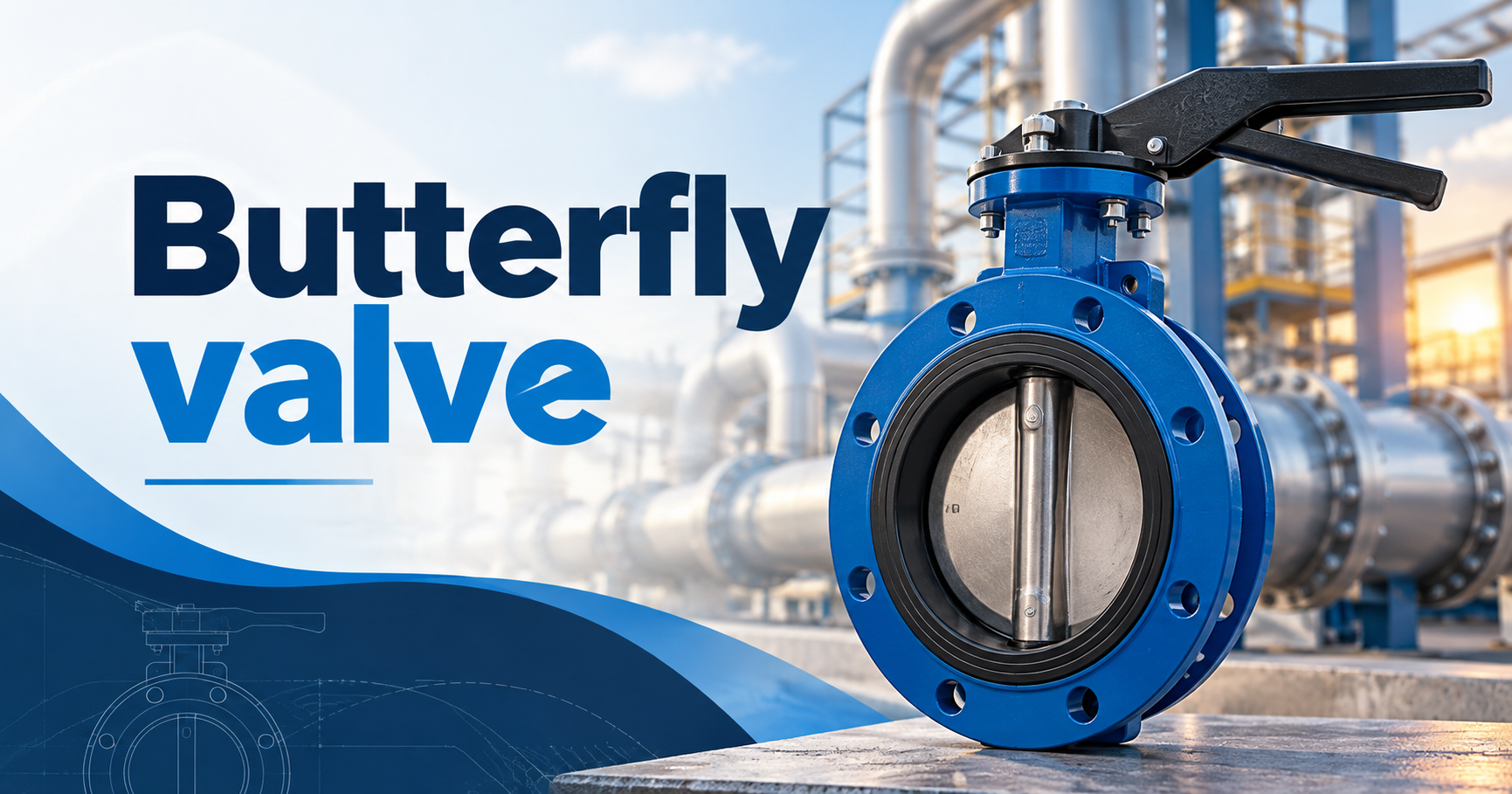
Its compact structure, quick operation, and versatile design make it popular across many industries. In this guide, you will learn how these valves work, explore their main benefits, understand common types, and discover how to select the right option for your application.
What Is a Butterfly Valve?
A butterfly valve is a quarter-turn valve used to start, stop, or regulate fluid flow. It contains a circular disc mounted on a rotating shaft inside the valve body. When the disc turns, it changes how much fluid can pass through the pipe.
To open the valve, the disc typically rotates about 90 degrees. When closed, the disc sits across the flow path and works with the sealing arrangement to restrict flow.
Because of their compact design, these valves are often used in water treatment plants, HVAC systems, chemical processing, food production, and industrial pipelines.
How Does It Work?
The operating mechanism is simple:
-
Opening: The handle, gearbox, or actuator rotates the disc to allow flow.
-
Flow control: The disc can be positioned to adjust the flow opening when the valve design permits throttling.
-
Closing: The disc rotates across the passage to stop flow.
-
Actuation: Manual, electric, or pneumatic systems can operate the valve, depending on the installation.
This straightforward design makes butterfly valves suitable for many applications where space, weight, and operating speed matter.
Common Types of Butterfly Valves
Different designs meet different pressure, temperature, and sealing needs.
1. Concentric Butterfly Valves
These valves have a disc and stem arrangement centered within the valve body. They are widely used in general-purpose water and low-pressure applications.
2. Double-Offset Butterfly Valves
The double-offset design reduces contact between the disc and seat during opening. This can reduce wear and support applications requiring improved sealing performance.
3. Triple-Offset Butterfly Valves
These valves use three offsets to create a cam-like movement and reduce friction at the sealing surfaces. Depending on their materials and construction, they can suit demanding applications involving higher temperatures or pressures.
4. High-Performance Butterfly Valves
This category often includes double-offset designs intended for more demanding industrial services. Always check the manufacturer's pressure, temperature, and material ratings before selecting a model.
Key Benefits of Butterfly Valves
A well-selected valve can improve flow control and simplify system design.
Compact construction: Their relatively small size makes installation easier where pipeline space is limited.
Quick operation: A quarter-turn mechanism allows fast opening and closing in suitable applications.
Lower weight: Many designs weigh less than comparable gate or globe valves, which can simplify handling and support requirements.
Cost-effective installation: Depending on size and service conditions, these valves can offer competitive purchase and installation costs.
Automation compatibility: Electric and pneumatic actuators allow remote operation and integration with industrial control systems.
Versatile applications: Different body styles, seat materials, and disc materials support a wide range of industrial uses.
However, no single valve design suits every service. Pressure rating, temperature, fluid compatibility, and required shutoff performance must guide the selection.
How to Choose the Right Butterfly Valve
Choosing the correct model can help prevent leaks, premature wear, and unnecessary maintenance. Follow these practical steps.
Step 1: Identify the application. Determine whether the valve will handle water, air, chemicals, steam, or another medium.
Step 2: Check pressure and temperature. Confirm the normal operating conditions and any expected extremes. Make sure the valve's rated limits cover the intended service.
Step 3: Select suitable materials. Body, disc, stem, and seat materials must suit the fluid and operating environment. Corrosive media may require special materials.
Step 4: Choose the correct connection. Common designs include wafer, lug, and flanged bodies. Check the pipeline flange specifications and installation requirements.
Step 5: Decide on operation. Choose a lever or gearbox for manual use, or an electric or pneumatic actuator when automation is needed.
Step 6: Verify the specifications. Review the manufacturer's datasheet for pressure ratings, face-to-face dimensions, leakage requirements, and relevant standards.
Common Mistakes to Avoid
Avoid these common selection and installation errors:
-
Ignoring material compatibility: An unsuitable seat or disc can wear, swell, or corrode. Confirm compatibility with the actual process fluid.
-
Choosing the wrong pressure rating: A valve rated below the system's requirements can create a serious operating risk.
-
Using the wrong valve size: Match the valve to the pipeline and flow requirements, not just the pipe diameter.
-
Overlooking installation clearance: The disc needs enough space to rotate without hitting nearby pipework or fittings.
-
Expecting perfect shutoff from every design: Leakage performance varies by design, materials, and service conditions. Confirm the required shutoff class before buying.
Additionally, follow the manufacturer's installation instructions and inspect the valve after installation.
Conclusion
Butterfly valves provide a practical way to control flow in many industrial systems. Their compact design, quick operation, and broad range of configurations make them useful for applications ranging from water treatment to industrial processing. The key is to choose a model that matches your pressure, temperature, material, and control requirements. Looking for a suitable industrial valve? Contact Al Zerwa Trading Co LLC to discuss your requirements and explore options for your application.
Frequently Asked Questions (FAQs)
1. What is a butterfly valve mainly used for?
It is used to start, stop, or regulate fluid flow in pipelines. Common applications include water treatment, HVAC, chemical processing, and industrial manufacturing.
2. What are the main types of butterfly valves?
Common types include concentric, double-offset, triple-offset, and high-performance designs. Each offers different sealing, friction, pressure, and temperature capabilities.
3. What is the difference between a butterfly valve and a ball valve?
A butterfly valve controls flow with a rotating disc, while a ball valve uses a rotating ball with a bore. Butterfly valves are often compact and lightweight for larger pipelines, while ball valves can provide tight shutoff in many applications. The best choice depends on the service conditions.
4. Can butterfly valves be used for flow regulation?
Yes, many designs can regulate flow when operated within their specified range. However, not every butterfly valve is suitable for continuous throttling. Check the manufacturer's guidance to avoid excessive vibration, noise, or seat wear.
5. How do I maintain a butterfly valve?
Inspect the valve for leaks, corrosion, unusual resistance, and actuator problems. Follow the manufacturer's maintenance schedule and verify that the valve operates correctly. Isolate and depressurize the system using approved procedures before performing maintenance.

 English
 Arabic
 French
 Spanish
 Portuguese
 Turkish
 Dutch
Dutch
 Italiano
 Russian
 Romaian
 Portuguese (Brazil)
 Greek
Greek