


House Rekeying in Knoxville, TN: When Changing the Locks Isn't Necessary
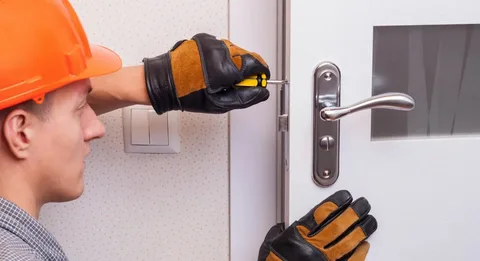
Changing every lock after moving into a home or losing a key is not always necessary. Knoxmith Lock & Key can assess whether the existing hardware remains suitable and whether changing its internal key configuration is enough to restore control over who can access the property. In many situations, house rekeying in Knoxville, TN provides a practical alternative because the lock stays installed while its internal pins are adjusted to work with a new key.
Key Takeaways
-
Rekeying changes which keys operate an existing lock without replacing the entire hardware.
-
It can make sense after moving, losing keys, or changing who has household access.
-
Lock replacement is more appropriate when hardware is damaged, outdated, or unsuitable.
-
A locksmith can assess the existing locks before the homeowner chooses between the two options.
What House Rekeying Actually Changes
Rekeying changes the internal configuration of a compatible lock cylinder. A locksmith removes the cylinder or accesses its internal components, rearranges the pins or other applicable mechanisms, and configures the lock to operate with a new key.
The physical lock remains on the door. This distinction is important because homeowners sometimes assume that better key control automatically requires completely new hardware.
A rekeyed lock will no longer operate with the previous key when the work is completed correctly. This makes the service useful when a homeowner wants to prevent former occupants, contractors, tenants, or anyone else holding an old key from entering the property.
When Rekeying Makes More Sense Than Replacing Locks
The condition of the existing hardware is the first consideration. If the deadbolt, knob, or cylinder operates smoothly and provides an appropriate level of security, replacing it solely because a key has changed may be unnecessary.
Moving into a previously occupied home is one common situation. Previous owners, tenants, property managers, contractors, cleaners, or family members may have had copies of the keys. Rekeying allows the new occupants to establish a new key configuration without replacing functional hardware.
Lost or unreturned keys are another reason homeowners consider rekeying. If they cannot determine who may have access to a missing key, changing the internal lock configuration can prevent that key from continuing to work.
Rekeying After a Change in Household Access
Household access can change over time. A family member may move out, a roommate may leave, or a contractor may no longer need access. If an old key remains in circulation, the homeowner may want to eliminate its ability to operate the lock.
Rekeying can also be useful after a rental property changes occupants. Instead of replacing every compatible lock between tenants, property owners may choose to reconfigure the existing cylinders when the hardware remains in suitable condition.
The number of locks matters as well. If several doors use compatible cylinders, they may be able to be rekeyed to a coordinated key configuration. That can simplify key management while maintaining the existing hardware.
When Lock Replacement Is the Better Choice
Rekeying does not correct physical damage. A lock with a severely worn cylinder, damaged internal components, loose hardware, or persistent operational problems may need replacement.
Security requirements can also make new hardware more appropriate. Older locks may lack features desired by the homeowner, such as improved resistance to forced entry, updated key control, or compatibility with a broader residential security setup.
Homeowners should also consider whether the current lock is suitable for the door. A damaged exterior door, poorly fitted hardware, or outdated locking mechanism may require a broader repair rather than simply changing the key configuration.
This distinction is important because rekeying addresses who can operate the lock, while replacement can address both access control and the physical condition or security characteristics of the hardware.
How a Locksmith Determines the Right Option
A professional assessment typically starts with the existing lock. The locksmith can inspect the cylinder, hardware condition, key operation, and compatibility with the desired key system.
They may also ask why the homeowner wants the locks changed. A lost key creates a different consideration from a broken lock or a desire to upgrade an outdated security system.
For homeowners researching residential locksmith services in Knoxville, this assessment can help them avoid replacing functional hardware unnecessarily. If the locks are compatible and in good condition, rekeying may meet the access-control objective without the additional material cost of new locks.
The opposite can also be true. If the inspection reveals significant wear or an unsuitable security design, replacement may provide a better long-term solution.
The Cost Difference Between Rekeying and Replacement
Pricing for lock rekeying costs depends on the number and type of locks, the complexity of the hardware, the required key configuration, and whether additional repairs are needed. Rekeying generally involves less material than replacing an entire lock, although specialized cylinders can affect the final price.
Homeowners should also consider the total number of doors. Rekeying one lock is a different project from reconfiguring several exterior doors and ensuring that the desired keys operate correctly.
Industry pricing can vary significantly by region and service type, so a single national figure does not accurately represent every residential job. A local estimate is more useful because it accounts for the actual hardware and labor involved.
A practical way to control unexpected costs is to identify how many locks need attention before requesting service. Homeowners should also explain whether they want all compatible locks to use one key or whether individual keys are preferred.
What Happens During a Typical Rekeying Service?
The exact process depends on the lock design, but the locksmith generally removes or accesses the cylinder and changes its internal configuration. They then create or configure a key that matches the new arrangement.
Afterward, each rekeyed lock should be tested from both sides where appropriate. The locksmith can verify that the new key operates correctly and that the previous key no longer provides access.
Testing is particularly important when multiple locks are involved. A homeowner should confirm that every requested door responds correctly before the service is considered complete.
For properties in Knoxville, older homes may contain a mixture of lock brands and hardware installed at different times. That can affect whether every lock can be placed on the same key system or whether some hardware needs additional work.
Situations That Deserve Extra Consideration
Some situations require more than a straightforward rekey. If a key was stolen rather than simply misplaced, the homeowner may want to evaluate the property's overall security, including additional entry points.
A recent change in occupancy can also involve more than door locks. Garage entries, side doors, basement entrances, and other accessible points should be considered if the goal is to regain complete control over property access.
Homeowners should also inspect the condition of spare keys. If numerous old copies exist, rekeying can invalidate them and allow the household to distribute a fresh set only to people who currently need access.
One useful preventive habit is to maintain a record of who has working keys. This becomes especially valuable for rental properties and homes where contractors or service providers periodically require entry.
Rekeying Considerations for Knoxville Homeowners
Local housing conditions can influence the type of lock hardware found on a property. Older homes may have cylinders from different manufacturers, while newer construction can contain more standardized hardware.
Weather exposure is another consideration for exterior locks. Repeated exposure to moisture, temperature changes, and debris can contribute to wear over time. If an exterior lock already operates poorly, rekeying alone may not address the underlying issue.
Homeowners should therefore avoid assuming that every lock should automatically be rekeyed or replaced. The appropriate decision depends on hardware condition, security expectations, the number of locks, and the reason access needs to change.
Those searching for lock rekeying in Knoxville, TN should explain these factors when requesting an assessment. Clear information helps the locksmith determine what equipment and replacement components, if any, may be needed.
Four Practical Signs Rekeying May Be Enough
The most useful clues are related to the condition of the existing hardware and the reason the homeowner wants new keys.
-
The existing lock operates smoothly without sticking or excessive looseness.
-
The homeowner's main concern is that someone else may still possess an old key.
-
The hardware already provides the desired level of security.
-
The homeowner wants to change access without changing the appearance of the doors.
These conditions do not guarantee that rekeying is the right choice, but they indicate that replacing the entire lock may not be necessary. A professional inspection can confirm compatibility and condition before work begins.
Questions Homeowners Should Ask Before Service
Before authorizing work, homeowners should ask whether their current locks can be rekeyed and whether all exterior locks can operate from one new key. They should also clarify whether any cylinders are too worn or incompatible.
They can ask whether the quoted service includes new keys, labor, testing, and any necessary replacement components. This helps distinguish a straightforward rekeying job from a project involving hardware repairs.
Another useful question is whether the locksmith recommends rekeying based on the lock's condition or simply because it is the requested service. A professional assessment should consider the actual security needs of the property rather than automatically favoring one option.
Frequently Asked Questions
Is rekeying better than changing locks after moving into a house?
If the existing locks are in good condition and provide suitable security, rekeying can be an appropriate option. It prevents old keys from operating the locks while preserving the existing hardware.
Does rekeying make old keys stop working?
Yes. When a compatible lock is properly rekeyed, its internal configuration is changed so the previous key no longer operates it. A new key is then matched to the updated configuration.
How long does house rekeying usually take?
The time depends on the number and type of locks. A single standard cylinder may be handled relatively quickly, while multiple doors, specialized hardware, or difficult access can require more time.
Can every lock in a house be rekeyed to one key?
Not necessarily. Locks may use different brands, cylinder designs, or key systems. A locksmith can determine whether the existing hardware can be configured to work with a common key.
When should a homeowner replace a lock instead?
Replacement may be preferable when the lock is damaged, excessively worn, outdated, poorly suited to the door, or no longer meets the homeowner's security requirements.
Final Thoughts
Rekeying can solve an access-control problem without requiring homeowners to replace functional locks. It is particularly useful after moving, losing keys, changing household access, or taking over a rental property.
Replacement becomes more appropriate when the hardware itself has problems or when the homeowner wants a different security level. The right choice depends on the condition of the existing locks, the reason for changing access, and the property's security requirements.
A professional inspection allows homeowners to compare both options before spending money on new hardware. That approach keeps the decision focused on the actual condition and needs of the property.
Discuss House Rekeying Options
Homeowners who are unsure whether they need new locks or simply a new key configuration can contact Knoxmith Lock & Key for assistance. Their team can assess existing hardware, explain whether rekeying is suitable, and identify situations where replacement may be more appropriate. For service questions, they can call 865-213-2545 or email management@knoxmith.com. Discussing the property's locks and access concerns beforehand can help homeowners understand their options and choose a solution suited to their security needs.

 Arabic
 French
 Spanish
 Portuguese
 Deutsch
 Turkish
 Dutch
Dutch
 Italiano
 Russian
 Romaian
 Portuguese (Brazil)
 Greek
Greek