


Small Commercial Builds in Oil Country: Planning Around Fast Growth
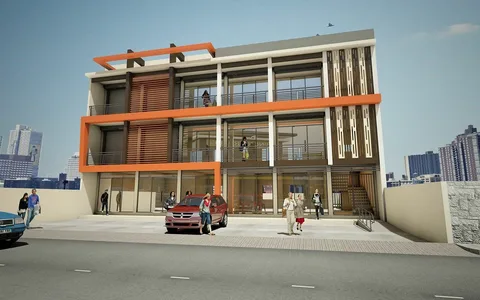
Rapid growth in oil-producing regions can create strong opportunities for small commercial development, but that growth also creates planning challenges. Businesses need functional space without allowing permitting, material availability, labor coordination, or infrastructure constraints to derail the project. WBP CONTRACTING LLC understands that commercial construction in an expanding energy market requires close attention to both immediate business needs and changing regional conditions. For developers and business owners, small commercial builds in oil country require a construction strategy that accounts for demand, site conditions, scheduling, and future expansion from the beginning.
Key Takeaways
-
Fast regional growth can increase demand for commercial space while placing pressure on construction resources.
-
Site selection should account for utilities, access, zoning, drainage, and future development.
-
Early procurement and subcontractor coordination can reduce avoidable schedule disruptions.
-
Flexible commercial designs can help businesses adapt as operations expand.
Why Fast Growth Changes Commercial Construction
Oil-producing regions can experience periods of rapid population growth, increased employment, infrastructure investment, and business formation. Those changes can create demand for offices, service facilities, retail buildings, storage areas, workshops, restaurants, and other small commercial properties. At the same time, custom home construction can face similar pressures as growing populations increase demand for residential properties and new housing projects.
The challenge is that construction capacity does not always expand at the same pace as demand. Skilled trades, equipment, building materials, transportation, and suitable commercial lots can become more competitive when multiple projects are underway at the same time.
The Bakken region provides a useful example. North Dakota's oil production reached more than 1 million barrels per day in multiple recent periods, creating an economic environment where energy activity continues to influence employment, housing, transportation, and commercial development. The state's population also surpassed 790,000 residents, demonstrating the broader scale of the market surrounding its major energy-producing communities.
For a small business owner, these conditions mean that waiting until a facility is urgently needed can create unnecessary pressure. Early site evaluation, preliminary budgeting, and contractor discussions can provide more flexibility before construction demand intensifies.
Start With the Business Need
A successful commercial build begins with understanding how the business will actually operate inside the building. Square footage alone does not determine whether a facility will function well.
The design should consider customer movement, employee work areas, storage, equipment, loading access, parking, utilities, safety requirements, and future operational changes. A business that expects to add staff or equipment within several years may need a layout that accommodates growth without requiring a complete renovation.
Small commercial projects can also involve different priorities depending on the business type. A service company may need vehicle access and storage, while an office-based operation may place greater emphasis on meeting rooms, employee areas, and technology infrastructure.
This early planning helps prevent a common problem: constructing a building that satisfies today's requirements but becomes restrictive shortly after opening. Future expansion should not necessarily mean building a larger structure immediately, but the site and layout should allow practical options where possible.
Site Selection Can Determine the Project's Feasibility
A commercial property should be evaluated beyond its purchase price. Utility capacity, road access, drainage, zoning, setbacks, parking requirements, and surrounding development can all affect the actual cost of the project.
Utility availability deserves particular attention in fast-growing areas. Existing infrastructure may have limited capacity, or connections may require additional engineering and installation. Water, sewer, electricity, gas, telecommunications, and stormwater management should be evaluated before finalizing the construction budget.
Traffic patterns also matter. A commercial building may have adequate interior space but still perform poorly if customers or delivery vehicles cannot access it conveniently. Businesses that depend on heavy equipment or frequent deliveries should consider turning areas, loading zones, road conditions, and site circulation during the design stage.
Land that appears inexpensive can become expensive once extensive site preparation is included. Soil conditions, grading, drainage improvements, retaining requirements, or utility extensions may substantially change the project's financial picture.
Section 3: Planning for Labor and Material Availability
Rapid economic growth can increase competition for skilled construction workers. Contractors may be coordinating multiple projects simultaneously, making early scheduling especially important for developers who have firm opening dates.
For businesses considering commercial construction in Williston, contractor availability should be evaluated before the final project timeline is announced. The construction team should understand when the site will be ready, when materials need to arrive, and which subcontractors must complete work at specific milestones.
Material procurement is equally important. Specialized doors, mechanical equipment, electrical components, windows, structural materials, and custom finishes can have longer procurement periods than standard products. Delaying selections can therefore create schedule problems even when labor remains available.
A practical approach is to identify long-lead items during preconstruction and coordinate purchasing with approved plans. This reduces the risk of discovering halfway through the project that a critical component will not arrive when needed.
Construction Planning Priorities
-
Evaluate contractor and subcontractor availability before setting a final completion date.
-
Identify materials that may require longer procurement periods.
-
Coordinate purchasing with approved dimensions and specifications.
-
Account for transportation and delivery requirements when developing the schedule.
Permitting and Approvals Need Early Attention
Commercial construction often involves more regulatory coordination than a straightforward residential project. Depending on the location and building type, approvals may involve zoning, building permits, fire requirements, accessibility standards, utility connections, parking, signage, and site development.
These requirements should be identified during preconstruction rather than after design work is nearly complete. A late discovery can require revisions that affect both cost and schedule.
Fast-growing communities may also update infrastructure plans, zoning requirements, or development priorities as commercial activity increases. Developers should therefore confirm current requirements with the appropriate local authorities before relying on assumptions from older projects.
The permit process also needs to be reflected in the project schedule. Construction cannot always move through every stage continuously when inspections or approvals are required between phases. Building those requirements into the timeline creates a more realistic completion target.
Section 4: Designing for Growth Without Overspending
Fast growth creates an unusual budgeting challenge. A business needs enough capacity to support expansion, but constructing substantially more space than required today can tie up capital that could otherwise support operations.
The better approach is often flexibility. A building can be designed with expansion points, adaptable interior areas, additional utility capacity, or site space that permits future construction.
For companies evaluating commercial builders in Whitefish,MT, this type of planning can make a significant difference. The goal is not simply to construct the largest possible building, but to create a facility that can respond to changing operational requirements without forcing unnecessary spending at the beginning.
The building's mechanical and electrical systems should also be considered from a growth perspective. If future equipment or additional occupants are likely, the infrastructure may need capacity beyond the immediate requirement. Addressing that possibility during initial construction can be less disruptive than upgrading systems later.
Growth Planning Considerations
-
Match the initial building size to current operational requirements.
-
Reserve practical options for future additions or layout changes.
-
Consider future electrical, mechanical, and utility demands.
-
Avoid paying for unused capacity without a realistic reason for expansion.
Controlling the Budget During Rapid Market Changes
Construction costs can move as material prices, labor availability, transportation expenses, and regional demand change. A commercial project should therefore be based on a clearly defined scope rather than a preliminary square-foot estimate alone.
The budget should separate major construction categories and identify allowances where selections have not been finalized. This gives the owner a clearer understanding of which costs are established and which could change.
Contingency planning is also important. A reserve of approximately 5% to 10% is commonly considered for unexpected costs, although the appropriate amount depends on the property, construction type, design complexity, and level of uncertainty.
Cost control does not mean choosing the cheapest option in every category. A low-cost material that requires earlier replacement or creates operational limitations may increase the long-term cost of ownership. Commercial decisions should consider durability, maintenance, energy use, and business requirements alongside initial pricing.
Keeping the Schedule Practical
A commercial opening date can affect staffing, leases, equipment purchases, inventory, marketing, and revenue plans. A construction delay may therefore create costs that extend beyond the building itself.
The contractor should build the schedule around actual dependencies rather than optimistic assumptions. Site preparation, foundations, framing, utilities, mechanical systems, inspections, finishes, and final approvals each influence the next stage.
Weather can also affect exterior construction, particularly excavation, concrete, paving, roofing, and site work. A realistic schedule includes reasonable flexibility instead of assuming every day will provide ideal working conditions.
Weekly progress reviews can help identify emerging issues. If a material is delayed or a subcontractor falls behind, the team can evaluate whether another task can be moved forward instead of allowing the entire schedule to stop.
Decision Factors Before Starting a Small Commercial Build
Business owners should compare contractors based on more than the initial estimate. Experience with similar commercial projects, communication practices, subcontractor coordination, scheduling methods, and change-order procedures can have a substantial effect on the final result.
The construction contract should clearly define the scope of work, payment milestones, allowances, exclusions, responsibilities, change procedures, and expected timeline. Ambiguous terms can create disagreements once construction begins.
Owners should also consider how involved they want to be. Some prefer frequent progress meetings and detailed updates, while others want the contractor to manage most day-to-day coordination. Establishing expectations early helps prevent communication gaps.
Finally, the owner should evaluate the building's expected business life cycle. A design that works for the current operation may not remain suitable as staffing, inventory, equipment, or customer demand changes.
Questions Worth Resolving Before Construction
-
What must the building accomplish on opening day?
-
Which elements should accommodate future expansion?
-
What site improvements are required beyond the building itself?
-
Which materials or equipment have long procurement periods?
-
What project decisions could affect the opening date?
Common Questions About Small Commercial Construction
How does rapid oil-region growth affect small commercial construction?
Rapid growth can increase demand for commercial space while also increasing competition for land, labor, materials, and contractors. Early planning helps businesses secure resources before a project becomes time-sensitive.
Should a small business build for future growth?
It can make sense when expansion is reasonably foreseeable. Instead of constructing unnecessary space immediately, the design can incorporate adaptable areas, expansion options, and infrastructure that supports future changes.
How early should a commercial construction project be planned?
Planning should begin well before the intended opening date. Site evaluation, preliminary design, budgeting, permitting, contractor selection, and material procurement can each require significant time.
What causes the largest commercial construction delays?
Common causes include incomplete plans, delayed decisions, long-lead materials, permitting issues, subcontractor conflicts, weather, and unforeseen site conditions. Early coordination can reduce many of these risks.
Is a low construction bid always the best choice?
No. The lowest initial bid may exclude important scope items or rely on unrealistic allowances. Owners should compare the complete scope, assumptions, schedule, experience, and contract terms before making a decision.
Building for Growth Without Losing Control
Small commercial development in an oil-producing market requires a balance between speed, financial discipline, and long-term planning. Growth can create strong opportunities, but it can also increase competition for land, labor, materials, and infrastructure.
The strongest projects address those pressures before construction begins. By evaluating the site carefully, defining the business requirements, planning procurement, coordinating trades, and maintaining realistic financial reserves, owners can create a building that supports current operations while leaving room for future needs.
Plan the Next Commercial Build
A fast-growing market rewards preparation. WBP CONTRACTING LLC can work with business owners to discuss site conditions, project requirements, construction priorities, scheduling expectations, and budget considerations before work begins. A detailed conversation at the planning stage can reveal potential challenges while changes are still manageable. Business owners considering a new commercial facility can contact the company to discuss their property, intended use, timeline, and expansion goals and determine a practical path toward construction.

 English
 Arabic
 French
 Spanish
 Portuguese
 Deutsch
 Turkish
 Dutch
Dutch
 Italiano
 Russian
 Romaian
 Greek
Greek