


How to Manage Ventilator Alarms and When to Seek Professional Help
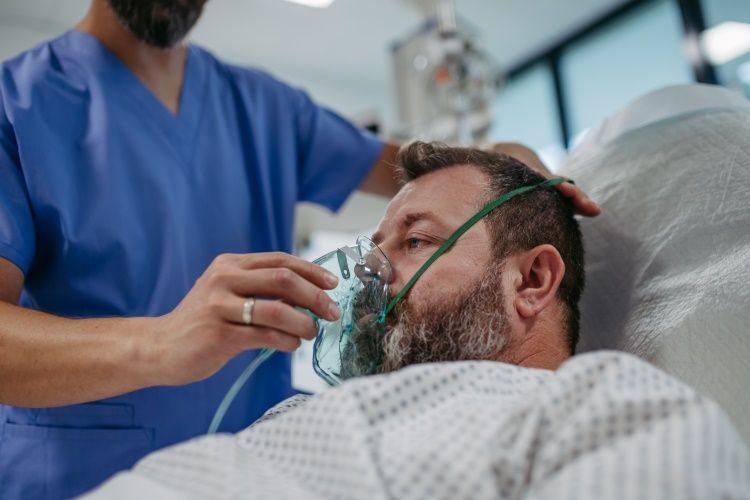
Ventilator alarms are an important safety feature for patients who depend on mechanical ventilation at home. Understanding how to respond to these alerts can help caregivers identify potential equipment problems and seek assistance when needed. Ventilator Care At Home In Dubai supports eligible patients who require respiratory assistance, while trained nurses and healthcare professionals can help families understand equipment use and emergency procedures. A Doctor at Home service may also support medical assessments and follow-up when clinically appropriate. Because alarms can indicate different problems, caregivers should learn the instructions for the patient's specific ventilator and follow an individualized care plan rather than guessing at the cause or changing settings independently.
Understanding Why Ventilator Alarms Occur:
Ventilator alarms are designed to alert caregivers when the device detects a condition that may require attention. Depending on the ventilator model, an alarm may indicate a disconnected circuit, a leak, an obstruction, pressure changes, a power issue, or another equipment concern. Some alarms relate to the patient's breathing, while others may involve the device or its accessories. The meaning of an alert depends on the equipment and prescribed settings, so caregivers should receive hands-on training before taking responsibility for home care. Keep the manufacturer's instructions and the patient's emergency plan accessible. Never assume an alarm is harmless simply because the patient initially appears comfortable, and do not disable alarms to avoid repeated alerts.
Learning the Different Types of Ventilator Alarms:
Home ventilators may use audible alerts, visual indicators, or messages on a display to communicate potential problems. High-pressure alarms can be associated with resistance to airflow, coughing, secretions, or tubing problems, while low-pressure or low-volume alarms may indicate a leak or disconnection. Power-related alerts can signal that the device has lost its usual power supply or switched to backup power. These examples are general, and alarm meanings vary by model and clinical setup. Caregivers should ask the treating healthcare team or equipment provider to explain each alarm relevant to the patient's ventilator. Understanding the specific device makes it easier to follow the correct instructions without making unsafe assumptions.
Staying Calm and Following the Prescribed Response Plan:
When an alarm sounds, caregivers should remain as calm as possible and follow the training and emergency instructions provided for the patient. First, observe the patient's condition and check for signs of serious breathing difficulty or sudden deterioration. If the patient is critically unwell, unresponsive, or showing severe respiratory distress, call local emergency services immediately and follow the emergency plan. If there is no immediate emergency, read the ventilator display and follow only the checks that the caregiver has been trained and authorized to perform. Avoid repeatedly silencing the alarm without understanding its cause. Do not change ventilator settings, disconnect equipment, or attempt unfamiliar procedures unless specifically instructed and authorized under the care plan.
Checking Tubing, Connections, and Accessories Safely:
Some ventilator alerts can be associated with tubing that has become disconnected, kinked, compressed, or improperly positioned. Caregivers who have received appropriate training may be instructed to visually inspect accessible connections and check for obvious problems described in the device instructions. Tubing should be arranged to reduce accidental pulling and should not be obstructed by bedding or furniture. Do not disconnect a circuit or alter a component simply to stop an alarm. If a connection cannot be checked safely, the cause remains unclear, or the alarm continues, contact the trained healthcare professional or equipment support service as directed by the care plan. If essential ventilation appears interrupted or the patient develops breathing difficulties, seek emergency assistance immediately.
Recognizing When an Alarm May Indicate a Patient Problem:
Not every alarm is caused by equipment, and changes in the patient's condition must be taken seriously. Coughing, increased respiratory secretions, airway obstruction, changes in breathing effort, or deterioration related to an underlying illness may be associated with an alarm. Caregivers should observe whether the patient's breathing, alertness, skin colour, or comfort differs from their usual condition. If the patient has a tracheostomy or requires specialized airway care, any intervention must be performed only by an appropriately trained and authorized person. Severe breathing difficulty, blue or grey lips, sudden unresponsiveness, or suspected interruption of essential ventilation requires immediate emergency action. Never rely solely on the ventilator display when the patient appears seriously unwell.
Knowing When to Contact a Nurse, Doctor, or Equipment Provider:
Professional help is important when an alarm keeps recurring, the cause is uncertain, the device appears damaged, or the patient shows a change that needs medical assessment. Follow the escalation instructions provided by the treating clinician and equipment supplier. Routine technical questions may be directed to the designated equipment support service, while symptoms such as fever, new respiratory secretions, or worsening breathing should be reported to the clinical team. Emergency symptoms require emergency services rather than waiting for a routine callback. When contacting a professional, share the alarm message, when it started, any relevant changes in the patient's condition, and the actions already taken under the care plan. This information can help the professional guide the next steps.
Preparing for Power Outages and Ventilator Failure:
Patients who rely on ventilation may need a clear backup plan for power interruptions or equipment failure. Families should ask the healthcare team which backup batteries, alternative ventilation equipment, or other supplies are required for the specific device and patient. Caregivers should understand how to check the equipment's power status, how to recognize a backup-power alert, and when the remaining support may be insufficient. Follow the manufacturer's guidance for charging and maintaining batteries, and never rely on unverified estimates of how long a backup supply will last. Keep emergency contact numbers accessible and review the plan regularly. If essential ventilation is interrupted, backup support is unavailable, or the patient's condition deteriorates, contact emergency services promptly.
Keeping Ventilator Equipment Clean and Well Maintained:
Routine maintenance can help reduce some equipment-related problems and support reliable operation. Follow the manufacturer's instructions and the healthcare team's guidance for cleaning external surfaces, checking accessories, and replacing approved components. Filters, tubing, humidification devices, and other parts may have different maintenance requirements, so avoid using unapproved cleaning products or methods. Report damaged cables, unusual device behaviour, recurring alarms, or parts that no longer fit correctly. Only qualified personnel should perform repairs or technical adjustments beyond the caregiver's authorized responsibilities. Families arranging Ventilator Care At Home In Dubai should clarify who is responsible for scheduled maintenance, replacement supplies, and urgent equipment support. Maintenance does not eliminate every risk, so emergency preparation remains essential.
Training Family Caregivers to Respond With Confidence:
Caregiver training should cover the ventilator model, the meaning of relevant alarms, approved troubleshooting steps, emergency contacts, and the limits of each person's responsibilities. Ask a qualified professional to demonstrate the required procedures and observe the caregiver performing them when appropriate. Written instructions can help reinforce training, especially during stressful situations or when more than one family member provides care. Training should also explain when to stop troubleshooting and seek professional or emergency assistance. Caregivers should request refresher guidance after equipment changes, hospital discharge, or changes in the patient's condition. Never attempt unfamiliar airway procedures or modify prescribed settings based on online advice or assumptions.
Preventing Repeat Alarms Through Monitoring and Communication:
Keeping a record of recurring alarms can help the clinical team or equipment provider identify patterns and determine whether further assessment is needed. When safe and without delaying urgent action, caregivers can document the time, displayed message, relevant symptoms, and any steps performed according to the care plan. Report repeated alerts even if they stop, especially when their cause is unclear. Regular clinical follow-up helps ensure that the patient's respiratory plan and equipment remain appropriate. Families should also tell the healthcare team about changes in the home environment, care routines, or equipment supplies that may affect safe use. Consistent communication supports more coordinated care and helps prevent caregivers from repeatedly facing the same uncertainty.
Final Thoughts.
Managing ventilator alarms safely depends on understanding the specific equipment, observing the patient's condition, and following a clear emergency plan. Caregivers should perform only the checks for which they have received appropriate training, avoid unauthorized ventilator adjustments, and contact qualified professionals when alarms persist or their cause is unclear. Severe breathing difficulty, blue or grey lips, unresponsiveness, or interruption of essential ventilation requires immediate emergency assistance. With proper training, regular equipment maintenance, and reliable clinical support, Ventilator Care At Home In Dubai can help eligible patients receive organized respiratory care while families remain better prepared to respond to unexpected problems.

 English
 Arabic
 French
 Spanish
 Portuguese
 Deutsch
 Turkish
 Italiano
 Russian
 Romaian
 Portuguese (Brazil)
 Greek
Greek