


How Air Shaft Design Supports Modern Roll Processing
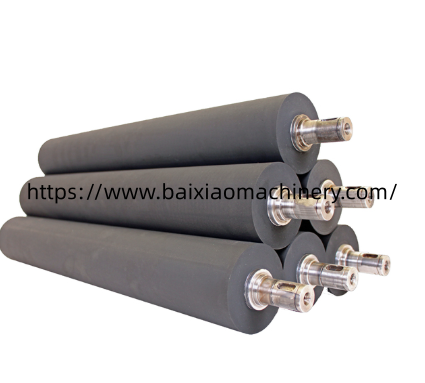
In roll-processing operations, the way a core connects to the machine can affect material handling, changeover procedures, and overall workflow. An Air Shaft uses an air-operated expansion mechanism to engage a compatible core, helping secure the roll during winding or unwinding. Its suitability depends on the shaft's structural materials, gripping arrangement, core characteristics, and relationship with the surrounding equipment, making application-specific evaluation essential before purchase.
Material selection establishes the foundation of shaft construction. Metal bodies are commonly used in industrial equipment because they provide structural support and can be manufactured to suit different machine arrangements. Aluminum may be considered where lower component weight is desirable, while steel can be suitable for applications requiring a robust supporting structure. The final choice should reflect the operating environment, handling requirements, maintenance practices, and the design of the complete assembly.
The expansion mechanism is a defining feature of this equipment. When compressed air activates the mechanism, gripping elements move outward to engage the inside of a compatible core. Releasing the air allows the mechanism to return toward its disengaged state, depending on the design. This arrangement can simplify roll installation and removal compared with fastening methods that require repeated manual adjustment. The mechanism must still be matched carefully to the core and the intended production conditions.
Core compatibility should be one of the first purchasing considerations. Cores can differ in material, internal surface condition, structural rigidity, and resistance to localized pressure. A gripping system that works well with one core may not provide the same result with another. Buyers should identify the type of core used in production and explain how the roll is loaded, secured, and removed. This information helps suppliers assess whether the shaft's engagement method suits the application.
The machine interface deserves equal attention. Shaft ends, support bearings, drive connections, and mounting arrangements must work with the existing equipment. A suitable shaft should fit the machine's layout without creating unnecessary installation difficulties or restricting access to nearby components. Buyers replacing an existing shaft can provide drawings or samples to clarify the connection design, while machinery developers should consider shaft integration during the early stages of equipment planning.
Operating conditions influence the required design as well. A shaft used for paper converting may encounter different handling conditions from one installed in flexible packaging, film processing, printing, or textile equipment. The roll material, winding process, surface sensitivity, and production environment can all affect selection. Buyers should also consider exposure to dust, adhesives, moisture, and other residues that may interfere with the expansion mechanism or complicate routine cleaning.
Technical performance depends on how the shaft interacts with the wider winding system. The expansion mechanism must engage the core appropriately, while the supporting structure and machine alignment help maintain stable rotation. Roll tension, drive behavior, and the arrangement of adjacent equipment also influence the overall process. If a roll slips or moves unevenly, the cause may involve the core, shaft engagement, machine setup, or operating conditions rather than the shaft alone. Evaluating the complete system can help identify the actual source of a problem.
Operator experience is closely connected to the roll-changing process. Production staff may need to remove a completed roll, prepare a new core, position it on the shaft, activate the expansion mechanism, and verify that the assembly is ready for operation. An intuitive design can make these steps easier to understand and reduce unnecessary handling. The position of air connections, accessibility of controls, and compatibility with lifting or roll-handling equipment can all influence convenience.
Maintenance planning should account for both the shaft body and its moving components. Expansion elements, seals, air passages, and connection points may require inspection according to the equipment manufacturer's guidance. Accumulated dust, fibers, adhesive residue, or other contaminants can affect the movement of certain mechanisms. A design that allows relevant areas to be accessed and cleaned can make routine servicing more straightforward. Maintenance personnel should also know how to identify visible wear and when professional inspection is needed.
Manufacturing quality affects how consistently the shaft performs its intended role. Depending on its construction, production may involve metal forming, machining, assembly, surface finishing, and inspection of the expansion mechanism. The body, end connections, gripping elements, and air interfaces need to work together as a coordinated assembly. For customized products, buyers should discuss installation requirements, core compatibility, inspection expectations, and the intended operating environment before production begins.
Design and appearance remain relevant to equipment integration. A well-organized shaft structure, clean surface finish, and accessible connection points can support easier inspection and a professional machine appearance. Surface treatments should be selected according to the base material and operating environment rather than appearance alone. Practical design also includes clear access for installation and service, helping technicians understand how the shaft fits into the complete production line.
Customization can be useful when standard products do not match a particular machine or core arrangement. Requirements may involve the shaft body, gripping method, end connections, material choice, or maintenance access. Zhejiang Province, Ruian Baixiao Machinery Co., Ltd. is associated with machinery manufacturing and related equipment solutions. Businesses considering a customized shaft can prepare machine drawings, core details, and a description of their winding process to support a focused technical discussion.
During supplier evaluation, buyers can review construction details, core engagement, installation compatibility, service access, and the documentation available for the proposed design. Feedback from operators and maintenance technicians can also help reveal practical issues that are not obvious from drawings alone. Further information about machinery products and related solutions from Zhejiang Province, Ruian Baixiao Machinery Co., Ltd. is available at https://www.baixiaomachinery.com/

 English
 Arabic
 French
 Spanish
 Portuguese
 Deutsch
 Turkish
 Dutch
 Italiano
 Romaian
 Portuguese (Brazil)
 Greek