


The Importance of Regular Forklift Maintenance for Workplace Safety
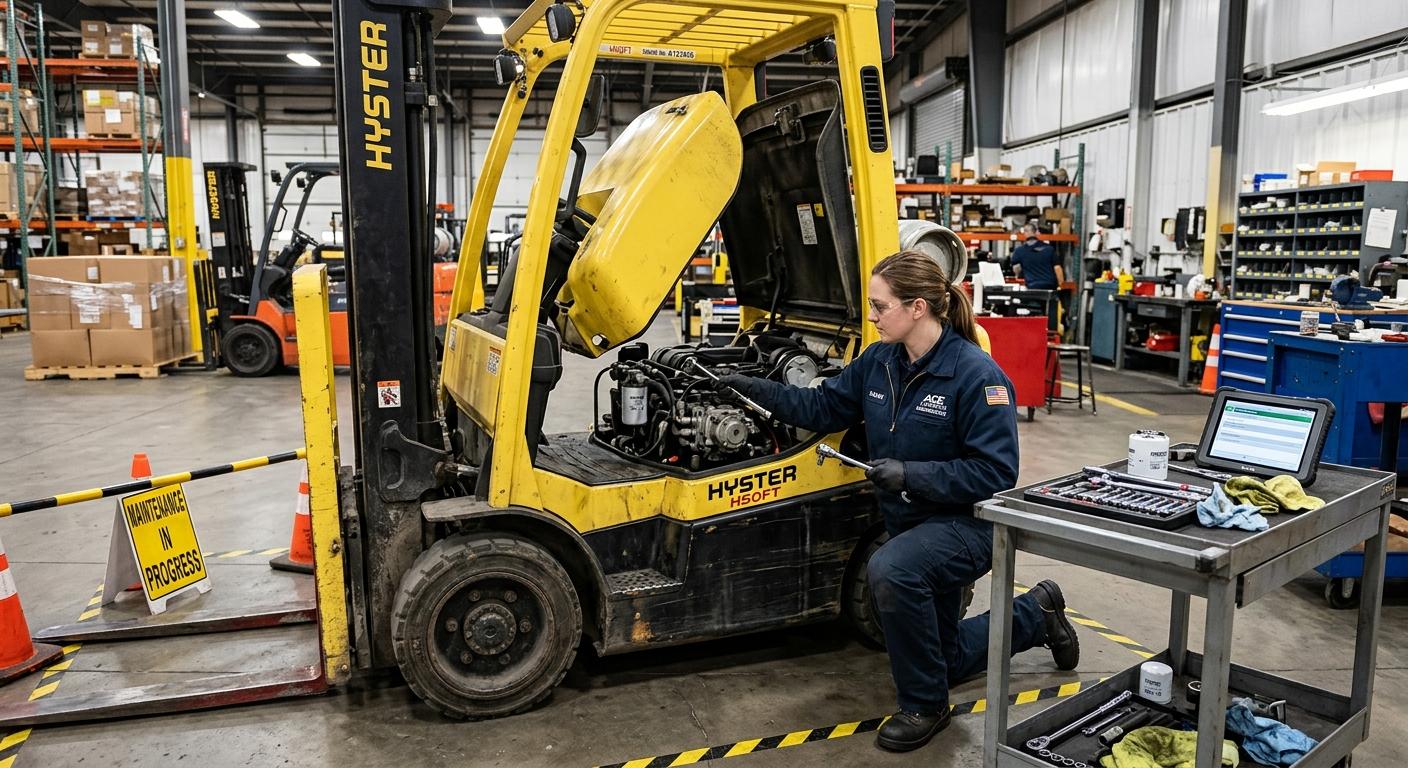
Forklifts play an important role in warehouses, factories, distribution centers, and construction sites. They help businesses move heavy materials, load trucks, organize inventory, and complete daily tasks efficiently. However, like any other piece of industrial equipment, forklifts require regular care to operate safely and reliably. Proper forklift maintenance helps prevent unexpected breakdowns, improves workplace safety, and extends the working life of the equipment.
Businesses that follow a consistent maintenance schedule can reduce repair expenses and keep their operations running smoothly. Ignoring small mechanical problems may lead to expensive repairs, equipment failure, and unnecessary delays. Regular inspections and timely servicing allow operators and maintenance teams to identify potential issues before they become serious.
Why Forklift Maintenance Matters
Forklifts operate under demanding conditions. They frequently carry heavy loads, travel across warehouse floors, and work for long hours. These activities place stress on important components, including the engine, hydraulic system, brakes, tires, mast, and transmission.
Without proper maintenance, these components may wear out faster than expected. A damaged hydraulic hose, for example, can cause fluid leaks and reduce lifting performance. Worn brake components can increase stopping distances and create dangerous situations for operators and nearby workers.
Routine servicing helps identify these problems early. It also allows businesses to monitor equipment performance and plan repairs before a forklift becomes unavailable. This approach supports better productivity and reduces the risk of unexpected interruptions.
Daily Forklift Inspections
Daily inspections are an essential part of an effective maintenance program. Operators should examine their forklifts before beginning work and report any unusual conditions to the responsible supervisor.
A basic inspection should include checking the tires for damage, examining the forks for cracks or bending, and looking for hydraulic fluid, engine oil, or coolant leaks. Operators should also inspect the mast, chains, overhead guard, and visible hoses for signs of wear.
Safety equipment requires attention as well. The horn, lights, backup alarm, seat belt, and other installed safety features should work correctly. Brakes and steering should be tested in a safe area according to the manufacturer's instructions.
Electric forklifts need additional checks of the battery, charging connections, and electrical cables. Internal combustion models require attention to engine fluids, fuel systems, and other components relevant to their design.
Any forklift with a serious safety defect should be removed from service until a qualified technician evaluates and repairs the problem. Daily checks cannot replace professional servicing, but they provide an important first line of protection.
Maintaining Hydraulic Systems
The hydraulic system allows a forklift to lift, lower, and position heavy loads. It includes pumps, cylinders, hoses, valves, and hydraulic fluid. These parts must work together to provide controlled lifting performance.
Regular inspection helps detect leaks, damaged hoses, loose connections, and unusual lifting behavior. Low hydraulic fluid levels may affect performance and indicate a leak or another underlying problem. Contaminated fluid can also damage sensitive system components.
Technicians should inspect hydraulic fluid according to the manufacturer's recommended schedule and replace it when required. Hydraulic filters must receive attention as part of scheduled servicing. Any unusual noise, jerky movement, or difficulty lifting loads should be investigated promptly.
Operators should never place their hands or body near a suspected high-pressure hydraulic leak. Pressurized fluid can penetrate the skin and cause serious injuries. A qualified technician should handle hydraulic repairs using the correct procedures and equipment.
Engine, Battery, and Electrical System Care
Different forklift types require different maintenance practices. Diesel and gasoline forklifts need regular engine servicing, including oil changes, filter replacement, cooling system inspections, and checks of belts and hoses. Fuel systems and exhaust components should also be examined as recommended by the manufacturer.
Electric forklifts depend on batteries, motors, controllers, and electrical connections. Lead-acid batteries require suitable charging practices, terminal inspections, and proper electrolyte maintenance where applicable. Lithium-ion batteries need care according to their specific manufacturer instructions.
Charging areas should remain clean, properly ventilated where required, and suitable for the battery technology being used. Damaged cables, unusual battery heating, or warning indicators should never be ignored.
A well-maintained power system helps improve operating reliability and reduces the risk of equipment failure during busy shifts.
Tire, Brake, and Steering Maintenance
Tires affect forklift stability, traction, and handling. Solid tires may develop cuts or excessive wear, while pneumatic tires require attention to pressure and physical condition. Damaged tires can make the forklift harder to control and may affect its ability to carry loads safely.
Brakes should provide reliable stopping power under normal operating conditions. Technicians need to inspect braking components, identify unusual noises, and investigate changes in braking performance. Steering systems should also be checked for excessive play, stiffness, or unusual movement.
These components deserve particular attention because forklifts often operate around pedestrians, shelving, loading docks, and other vehicles. Prompt maintenance helps keep the machine predictable and safe to operate.
Creating a Preventive Maintenance Schedule
A preventive maintenance schedule helps businesses organize inspections and servicing according to operating hours, working conditions, and manufacturer recommendations. Equipment used for multiple shifts may need more frequent attention than a forklift used occasionally.
The schedule should identify routine inspections, fluid checks, filter changes, battery servicing, tire inspections, and professional mechanical evaluations. Maintenance records should include service dates, operating hours, reported faults, replaced parts, and completed repairs.
Accurate records help managers identify recurring problems and estimate future maintenance costs. They also make it easier to determine whether a forklift needs additional servicing or replacement.
Preventive maintenance should never be based only on a fixed calendar. Heavy workloads, dusty environments, uneven surfaces, and frequent outdoor use can increase wear. Maintenance intervals should reflect actual operating conditions and the manufacturer's instructions.
Reducing Downtime and Repair Costs
Unexpected forklift failures can delay shipments, interrupt production, and create scheduling problems. Emergency repairs may also cost more because businesses need urgent technical support or replacement parts.
Regular servicing helps reduce these risks by identifying worn components before they fail. It also allows maintenance managers to arrange parts and technician visits in advance.
Businesses should train operators to recognize warning signs such as unusual noises, fluid leaks, weak lifting performance, warning lights, and changes in braking or steering. Reporting these issues early can prevent further damage.
Choosing suitable replacement parts and qualified technicians is equally important. Incorrect components or incomplete repairs can cause recurring failures and reduce equipment reliability.
Conclusion
Regular forklift maintenance is essential for safe material handling, dependable performance, and effective cost management. Daily inspections, scheduled servicing, hydraulic system checks, and proper tire and brake care all contribute to reliable equipment operation.
Businesses that maintain accurate service records and address problems promptly can reduce unexpected downtime and protect their workers. A practical maintenance program also helps extend equipment life and supports smoother warehouse and industrial operations.

 English
 Arabic
 Spanish
 Portuguese
 Deutsch
 Turkish
 Dutch
 Italiano
 Russian
 Romaian
 Portuguese (Brazil)
 Greek