


Toyota Forklift Hydraulics Maintenance for Better Performance and Reliability
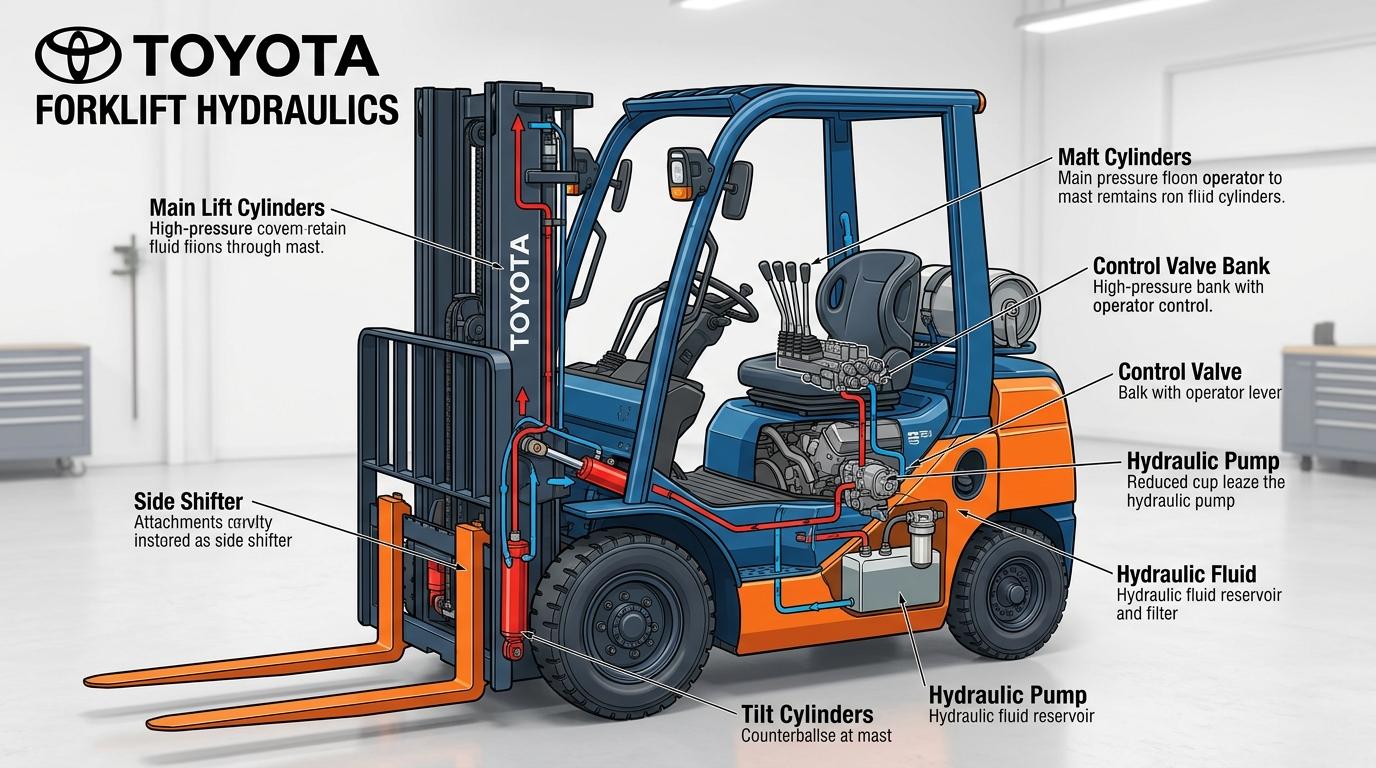
Forklifts perform demanding tasks in warehouses, industrial plants, shipping facilities, and distribution centers. They must lift heavy pallets, transport materials, and position loads accurately throughout the working day. Reliable hydraulic performance is essential for completing these tasks efficiently. Toyota forklift hydraulics provide the pressure and controlled movement required to operate the lifting mast, tilt the forks, and power compatible hydraulic attachments.
Although hydraulic systems are designed for demanding working conditions, they still require regular inspection and maintenance. Neglecting small problems can lead to expensive repairs, reduced productivity, and potential safety risks. Understanding the main maintenance requirements helps businesses keep their equipment in good working condition.
Why Hydraulic Maintenance Matters
A forklift's hydraulic system experiences repeated pressure changes whenever the operator raises, lowers, or tilts a load. Over time, seals can wear, hoses can deteriorate, and contaminants can accumulate in the hydraulic fluid.
Regular maintenance helps identify these problems before they cause major failures. It also supports smooth operation and helps components work within their intended operating limits.
Poor hydraulic performance can affect more than lifting speed. A malfunctioning system may make it harder to position loads accurately, operate attachments, or maintain consistent mast movement. These issues can slow warehouse activities and increase the likelihood of damaged goods.
A planned maintenance schedule allows businesses to monitor equipment condition and address service requirements before unexpected breakdowns interrupt daily operations.
Important Signs of Hydraulic System Failure
Recognizing early warning signs is one of the most effective ways to reduce repair costs. Operators should pay attention to changes in lifting performance, sounds, and visible component condition.
Slow or Weak Lifting
If the forks rise more slowly than usual or struggle to lift an appropriate load, the system may have low fluid levels, a worn pump, a restricted filter, or an internal leak. A technician should determine the cause rather than relying on guesswork.
Hydraulic Fluid Leaks
Leaks may appear around hoses, fittings, valves, or cylinder seals. Even a small leak can become a larger problem if the damaged component continues to operate under pressure.
Hydraulic fluid should never be checked for leaks by placing a hand near a pressurized hose. Fine jets of fluid can penetrate the skin and cause serious injuries. Suspected leaks require proper inspection methods and qualified service personnel.
Unusual Sounds
A hydraulic pump that produces excessive whining or other abnormal sounds may be experiencing restricted fluid supply, air entering the system, or internal wear. Ignoring these sounds can allow a minor fault to develop into a more expensive repair.
Uneven Mast Movement
Jerky lifting, inconsistent tilting, or difficulty controlling the mast may indicate problems with the fluid, valves, cylinders, or related components. These symptoms should be investigated before normal operations continue.
Keeping Hydraulic Fluid in Good Condition
Hydraulic fluid transfers pressure throughout the system and helps protect internal components. Its quality directly affects equipment performance, making regular fluid inspection an important part of forklift maintenance.
The correct fluid specification should always be confirmed through the owner's manual or approved service information. Different Toyota forklift models may have different requirements, so a universal fluid choice should not be assumed.
Fluid levels should be checked at the intervals recommended by the manufacturer. Low levels can interfere with pump operation and reduce hydraulic performance. Overfilling can also create problems, which is why the specified checking procedure should be followed.
Contamination is another major concern. Dust, moisture, and particles can damage precision components inside valves and pumps. Keeping the reservoir area clean during servicing helps prevent contaminants from entering the system.
If the fluid appears unusually dark, contains visible debris, or has a burnt smell, arrange a professional inspection. Fluid replacement should follow the manufacturer's service recommendations rather than an arbitrary schedule.
Inspecting Hoses, Cylinders, and Connections
Hydraulic hoses are exposed to pressure, vibration, heat, and movement. Over time, these conditions can cause deterioration, abrasion, or damage near connection points. Routine inspections should look for cracks, bulges, exposed reinforcement, loose fittings, and signs of leakage.
Cylinder inspection is equally important. Hydraulic cylinders rely on seals to retain pressure and support controlled movement. Worn seals may allow fluid to escape or cause the mast to drift when it should remain stationary.
Connections should be checked for signs of damage and leakage. However, personnel should not tighten fittings or dismantle pressurized components without following the correct isolation and pressure-release procedures.
Any damaged hydraulic hose should be replaced with a suitable component that meets the equipment's specifications. Improvised repairs can compromise system integrity and create serious safety risks.
The Importance of Hydraulic Filters
Hydraulic filters help capture particles that could otherwise circulate through the system. Contamination can increase friction, damage internal surfaces, and interfere with the operation of control valves.
A clogged filter may restrict fluid flow and contribute to reduced performance. Replacing filters according to the manufacturer's maintenance schedule helps maintain the intended level of protection.
Filter selection should be based on the correct part number and required filtration specifications. An unsuitable filter may not provide adequate protection or may restrict the flow needed by the system.
During filter replacement, technicians should follow the approved procedure to avoid introducing dirt into the hydraulic circuit. They should also investigate recurring contamination instead of repeatedly replacing filters without identifying the source.
Finding the Right Replacement Hydraulic Parts
When repairs are necessary, compatible replacement parts help restore reliable performance. Toyota forklifts vary by model, lifting capacity, production year, and hydraulic configuration. These differences can affect the parts required for a repair.
Before purchasing a hydraulic pump, control valve, cylinder, hose, seal kit, or filter, confirm the equipment identification details. The model and serial number can help a parts supplier identify the appropriate component.
Part numbers are especially useful when replacing older components. If the original part has been superseded, a qualified supplier can help determine whether an updated replacement is approved for the specific machine.
Businesses should also consider the condition of related components. For example, a failed pump may be associated with fluid contamination or restricted supply. Correcting the underlying cause can help prevent the replacement part from failing prematurely.
Building an Effective Preventive Maintenance Schedule
A preventive maintenance plan should reflect the forklift's operating environment, workload, and manufacturer recommendations. Machines used for long shifts in dusty or demanding conditions may require closer monitoring than equipment used occasionally.
Daily operator checks should focus on visible leaks, damaged hoses, unusual noises, and abnormal lifting behavior. Maintenance technicians should perform more detailed inspections according to the prescribed service intervals.
Service records should document fluid checks, filter replacements, repairs, and recurring problems. These records help maintenance teams identify patterns and plan future work more effectively.
Operators should also receive training on recognizing hydraulic faults and reporting them promptly. They should never attempt repairs unless they are qualified and authorized to do so.
Hydraulic Safety During Repairs
Hydraulic systems can retain dangerous pressure after a forklift has been switched off. Raised forks and masts also create crushing hazards if they are not properly secured.
Before servicing the system, technicians must follow the manufacturer's isolation procedures, relieve stored pressure as specified, and use approved mechanical supports where required. Hydraulic components should never be dismantled while pressurized.
If a forklift shows signs of uncontrolled lowering, significant leakage, or unreliable load handling, it should be removed from service until a qualified technician completes the necessary checks.
Conclusion
Maintaining Toyota forklift hydraulics helps businesses protect their equipment, improve operating reliability, and reduce unexpected downtime. Regular fluid checks, clean filters, careful hose inspections, and timely repairs all contribute to dependable hydraulic performance.
Selecting compatible replacement parts and following manufacturer-approved service procedures are equally important. With a consistent preventive maintenance plan, businesses can identify developing faults earlier, support workplace safety, and keep their Toyota forklifts ready for demanding material-handling tasks.

 Arabic
 French
 Spanish
 Portuguese
 Deutsch
 Turkish
 Dutch
 Italiano
 Russian
 Romaian
 Portuguese (Brazil)
 Greek