


What Factors Affect the Success of Dental Implant Treatment?
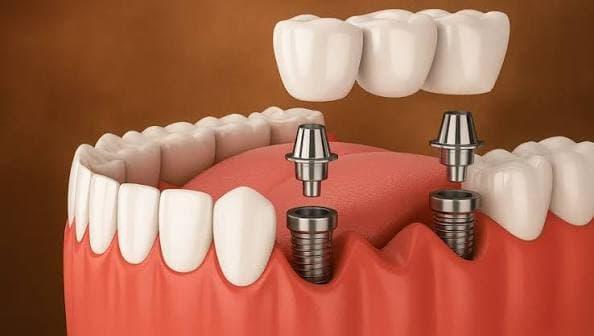
Dental implants are a popular option for replacing missing teeth because they can restore chewing function, improve the appearance of your smile, and provide long-term stability. However, successful dental implant treatment depends on more than simply placing an implant in the jawbone. Factors such as bone quality, gum health, oral hygiene, medical conditions, and the dentist's treatment planning can all influence the final outcome.
Understanding these factors can help you prepare for treatment and make informed decisions about your oral health. If you are searching for an implant dentist in Surat, knowing what contributes to implant success can help you understand the importance of proper evaluation, personalised treatment planning, and consistent aftercare.
What Is Dental Implant Success?
A dental implant is a small post, usually made of titanium, that is surgically placed in the jawbone to replace the root of a missing tooth. After placement, the implant gradually integrates with the surrounding bone through a process called osseointegration.
Once healing is complete, the implant can support a dental crown, bridge, or denture, depending on the patient's needs.
Successful implant treatment generally means that the implant remains stable, the surrounding tissues stay healthy, and the replacement tooth functions comfortably. Although dental implants have high success rates, complications can occur, and no treatment can guarantee lifelong success.
Several factors influence how well an implant heals and performs over time.
1. Jawbone Quality and Quantity
The condition of the jawbone is one of the most important factors affecting dental implant success. The implant needs sufficient bone support to achieve initial stability and integrate properly during healing.
Why Is Bone Density Important?
Bone density influences how securely the implant can be placed. If the bone is too soft, thin, or insufficient in volume, achieving the necessary stability may be more challenging.
Patients who have been missing a tooth for a long time may experience bone resorption, which gradually reduces the bone available to support an implant.
Can You Get an Implant With Low Bone Volume?
Yes, some patients with reduced bone volume can still receive dental implants after appropriate preparation. Depending on the condition of the jawbone, the dentist may recommend bone grafting or other procedures to create a suitable foundation.
A clinical examination and dental imaging, sometimes including a CBCT scan, help evaluate bone dimensions and identify important anatomical structures before surgery.
2. Healthy Gums and Proper Oral Hygiene
Healthy gums are essential for protecting the tissues surrounding a dental implant. Although implants cannot develop tooth decay, the surrounding gum and bone can become inflamed or infected.
Poor oral hygiene allows plaque to accumulate around the implant. This can lead to inflammation of the surrounding soft tissues, known as peri-implant mucositis. If the condition progresses and affects the supporting bone, it is called peri-implantitis.
Both conditions can threaten implant health if not managed appropriately.
How Can You Maintain Healthy Gums After Implant Placement?
-
Brush twice daily using a soft-bristled toothbrush.
-
Clean around the implant with suitable floss or interdental brushes.
-
Follow your dentist's instructions for cleaning the surgical area during early healing.
-
Attend regular dental check-ups and professional cleaning appointments.
-
Seek dental advice if you notice bleeding, swelling, tenderness, or discharge around the implant.
If you have existing gum disease, your dentist may recommend treating it before proceeding with implant surgery.
3. The Experience and Treatment Planning of the Dentist
The dentist's clinical skills and treatment planning play an important role in implant success. Each patient's mouth has a different bone structure, gum condition, bite pattern, and anatomical layout.
A carefully planned procedure helps determine the appropriate implant position, angle, size, and restoration design.
Why Is a Detailed Examination Necessary?
Before treatment, the dentist generally reviews your medical history, examines your teeth and gums, and evaluates the available bone. Dental X-rays or three-dimensional imaging may be required, depending on the case.
This assessment helps identify potential complications and determine whether additional treatment is needed.
When choosing an implant dentist in Surat, consider their implant training, relevant clinical experience, approach to treatment planning, sterilisation standards, and willingness to explain the risks and alternatives.
Clear communication and realistic expectations are important parts of safe dental care.
4. Overall Health and Existing Medical Conditions
Your general health can influence how your body responds to implant surgery and heals afterward. Certain medical conditions may require additional precautions or closer monitoring.
For example, poorly controlled diabetes can impair healing and increase the risk of infection. Some immune-related conditions and medications may also affect recovery or bone metabolism.
This does not mean that every patient with a medical condition is unsuitable for dental implants. Suitability depends on the specific condition, its control, and the overall treatment plan.
Before surgery, provide your dentist with accurate information about your health, prescribed medicines, previous surgeries, and any relevant allergies.
Never stop or change a prescribed medication without consulting the clinician responsible for your care.
5. Smoking and Tobacco Use
Smoking is an important modifiable risk factor for dental implant complications. Tobacco use can affect blood circulation, interfere with wound healing, and increase the risk of infection and implant failure.
The risk may be greater for people who smoke heavily or continue smoking during the healing period.
If you are planning implant treatment, discuss smoking cessation with your dentist. Stopping smoking before surgery and avoiding it during healing can improve the conditions for recovery.
Your dentist can provide guidance on an appropriate timeline based on your individual health and treatment requirements.
6. The Quality of the Implant and Dental Restoration
The implant itself and the crown attached to it both contribute to the success of treatment. The implant must be suitable for the patient's bone and clinical needs, while the final restoration must fit properly and withstand normal chewing forces.
A poorly designed crown or an unfavourable bite can place excessive pressure on the implant and surrounding components.
Why Does the Bite Matter?
When you chew, forces travel through the replacement tooth to the implant and supporting bone. If these forces are not distributed appropriately, they can contribute to mechanical complications, such as a loose screw, damaged crown, or component fracture.
Your dentist will evaluate your bite and design the restoration to suit your mouth. Follow-up visits may be necessary to make adjustments and confirm that the implant remains comfortable.
7. Following Post-Surgery Instructions
The period immediately after implant surgery is important because the surrounding tissues need time to heal. Ignoring postoperative instructions can increase discomfort and interfere with recovery.
Your dentist may recommend soft foods for an initial period, careful cleaning around the surgical site, and avoiding activities that place pressure on the implant.
What Should You Avoid After Implant Surgery?
-
Chewing hard or crunchy foods near the surgical site during early healing.
-
Smoking or using tobacco products.
-
Touching or disturbing the surgical area unnecessarily.
-
Skipping prescribed medication instructions or follow-up appointments.
-
Ignoring increasing pain, swelling, bleeding, or other unusual symptoms.
Healing times differ between patients. Always follow the specific instructions provided by your dental professional rather than relying on a fixed recovery timeline.
8. Regular Dental Check-Ups and Long-Term Maintenance
Dental implant treatment does not end when the final crown is attached. Regular maintenance is necessary to monitor the implant, surrounding gums, bone support, and restoration.
During follow-up appointments, the dentist can identify early signs of inflammation, assess the stability of the implant, and check for mechanical problems.
The frequency of these visits depends on your oral health, history of gum disease, smoking status, and other risk factors.
With appropriate care, many dental implants can function successfully for years. However, their longevity depends on continued maintenance, healthy surrounding tissues, and timely management of any complications.
How Can You Improve Your Chances of Successful Dental Implant Treatment?
Although no one can guarantee the outcome, several practical steps can help support a favourable result.
-
Choose a qualified dental professional: Look for appropriate training, experience, and a thorough approach to implant planning.
-
Complete the recommended assessment: Follow advice regarding examinations, imaging, and any necessary gum or bone treatment.
-
Manage existing health conditions: Work with your healthcare provider to keep relevant conditions under control.
-
Maintain excellent oral hygiene: Clean your natural teeth and implant-supported restoration consistently.
-
Avoid smoking: Seek support to stop tobacco use, especially around the surgical and healing periods.
-
Attend follow-up appointments: Regular monitoring allows potential problems to be identified early.
-
Report unusual symptoms promptly: Persistent pain, swelling, bleeding, or implant movement should be evaluated by a dentist.
These measures can help reduce avoidable risks and support the long-term health of your dental implant.
Conclusion
The success of dental implant treatment depends on several interconnected factors, including jawbone quality, gum health, general medical conditions, smoking habits, the dentist's treatment planning, implant restoration design, and long-term oral hygiene. While dental implants offer a reliable option for many people with missing teeth, careful assessment and consistent maintenance are essential for achieving a favourable outcome.
If you are considering dental implant treatment, consult a qualified professional to understand your suitability, available options, potential risks, and expected healing process. For patients looking for an implant dentist in Surat, InfiSmile can help you explore tooth replacement options and understand the steps involved in planning dental implant treatment. A personalised evaluation is the best starting point for making an informed decision about restoring your smile.

 English
 Arabic
 French
 Spanish
 Portuguese
 Turkish
 Dutch
 Italiano
 Russian
 Romaian
 Portuguese (Brazil)
 Greek